
How to Prepare for Life After University 💡

Knowing how to find student accommodation in Italy before you arrive can save you a lot of stress. In cities like Bologna, Florence, Padua and Turin, good rooms go fast, especially before the start of the academic year.
The challenge is that the Italian rental market has its own rules. You may need specific documents before signing, utility bills are often not included and some contracts work differently from what you're used to.
If you start early and know what to check, the whole process becomes easier. Here are the six mistakes students make most often and what to do instead.
In Bologna, the average room now costs around €660 per month. In Florence it's around €600, Turin €530, Padua €528. Rooms at the lower end of those ranges go quickly, sometimes weeks before the academic year starts.
If you start looking in August for an October move-in, most of the decent options in the locations you actually want will already be gone. What remains will either be overpriced, further from the university than you planned or both.
Start your search at least 3 to 4 months before you need to move in. For popular cities like Bologna and Florence, 4 to 5 months gives you a real advantage. Purpose-built student accommodation like Yugo lets you book even earlier from abroad, which removes the timing pressure entirely.
Scams in Italian student rental markets follow a pattern. A listing that looks good. A price slightly below market rate. A landlord who responds quickly and asks for a deposit before you've signed anything or visited the property.
Never transfer money, not even a small reservation fee, before you have visited the apartment yourself or had someone you trust visit it for you. A legitimate landlord will not ask for payment before the contract is signed and the property has been seen in person.
If you cannot visit before moving, ask for a live video tour, not pre-recorded photos. Cross-reference the listing across multiple platforms. If the landlord only communicates by email, won't take a video call or pressures you to decide quickly, that is a problem.
Search the listing address on Google Street View and compare it with the photos. Check whether the listing appears on multiple platforms with the same text. Scammers often copy legitimate listings. If the price is 20-30% below similar rooms in the same area, that's a red flag, not a bargain.

The codice fiscale is Italy's tax identification number and you need it for almost everything: signing a rental contract, opening a bank account, registering with a doctor, getting a SIM card.
Many students discover this on arrival and spend their first week sorting it out at the Agenzia delle Entrate. That's a week that could be spent settling in, getting to know the city and starting to enjoy the experience you came for.
You can apply for the codice fiscale at an Italian consulate before you travel. In many countries, this is straightforward and takes 1 to 2 weeks. Sort it before you arrive. It removes a real obstacle when you're trying to move into a property quickly.
👉 Budgeting for the move? Check: Student money saving tips
A room listed at €500 per month can easily cost €650 or more once you add utilities. In most private rentals in Italy, electricity, water, gas and internet are separate from the rent. That is standard practice, not a hidden extra, but it is easy to miss if you are comparing listings based on the headline price alone.
Ask directly before you agree to anything. The relevant Italian phrases are: le bollette sono incluse? (are bills included?) and c'è il wifi? (is there Wi-Fi?). In private shared apartments, you will usually split utility costs with flatmates and the amounts can vary significantly by season, especially for heating in winter in northern cities like Turin and Padua.
Also remember to factor in agency fees if you rent through an agency. In many cases, this is a one-off cost equal to around one month's rent. On top of that, most landlords ask for a security deposit, usually between 1 and 3 months' rent, paid before you move in.
In purpose-built student residences like Yugo, bills are already included in the rent, so it's much easier to understand your real monthly cost from the start.

When you start looking from abroad, it's natural to focus on the areas you've already heard about. In Bologna, that might be Via Zamboni. In Florence, Santo Spirito. In Padua, Prato della Valle. In Turin, the Quadrilatero Romano.
These neighbourhoods are central, lively and close to university life, so they make sense at first. The problem is that many other students are looking in the same places. Rooms tend to cost more, disappear quickly and, in some streets, can be noisy if you want to study at home or keep a quieter routine.
Before you decide, check a few areas just outside the usual student spots. In Bologna, Bolognina and San Donato are well-connected and often cheaper than the University Quarter. In Turin, Crocetta and San Salvario are practical if you need to move between the main university areas.
In Florence, Oltrarno keeps you close to the centre without the same prices as Santa Croce. In Padua, the city is flat enough that anything within cycling distance of the centre is worth considering.
So don't search only by neighbourhood name. Search by commute time. A 15-minute bike ride from a cheaper area can make more sense than paying €150 extra a month to be five minutes closer.
Italy has several types of rental contract and they have different rules, minimum lengths and costs. Students are often offered whichever type the landlord prefers, rather than the one that suits their situation best. It is worth knowing the basics before you sign anything.
The most common contracts for students are the contratto transitorio (short-term, 1 to 18 months, common for exchange students and one-year stays), the contratto a canone concordato (3+2 years, with the rent set within locally agreed limits, often cheaper than market rate) and the standard contratto libero 4+4, which is a long-term market-rate contract.
One rule applies to all of them: any rental contract over 30 days must be registered with the Agenzia delle Entrate. If a landlord proposes an informal arrangement without a written contract to avoid taxes, that gives you no legal protection if something goes wrong. Walk away.

If you want to avoid most of what's above, the fastest option is purpose-built student accommodation. Yugo has residences in four of Italy's main student cities. You can book before you land, skip the paperwork marathon and move into a furnished room with bills already included.
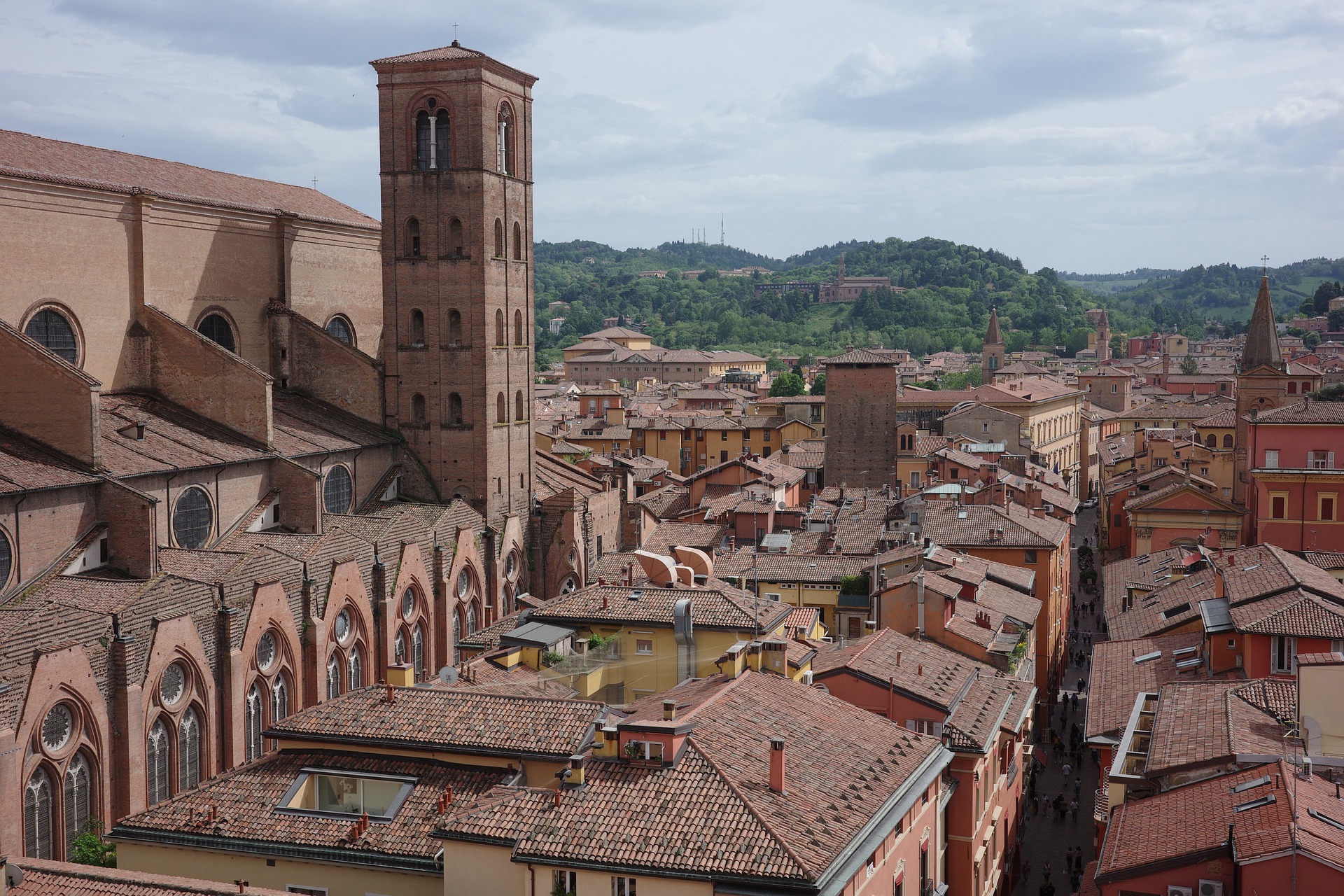
The University of Bologna was founded in 1088. Its academic reputation has stayed strong: QS places it in the global top 100 for 21 subjects, including Law at #40 and Modern Languages at #36. The city is compact, mostly flat and organised around student life in a way that is easy to see from day one.
The rental market here is competitive. Bologna is the most expensive of Italy's four main student cities outside Milan and the best rooms go fast. Starting your search early, or booking with Yugo, is the simplest way to avoid the scramble.
📚 Strong subject areas
📍Yugo has 1 residence in Bologna
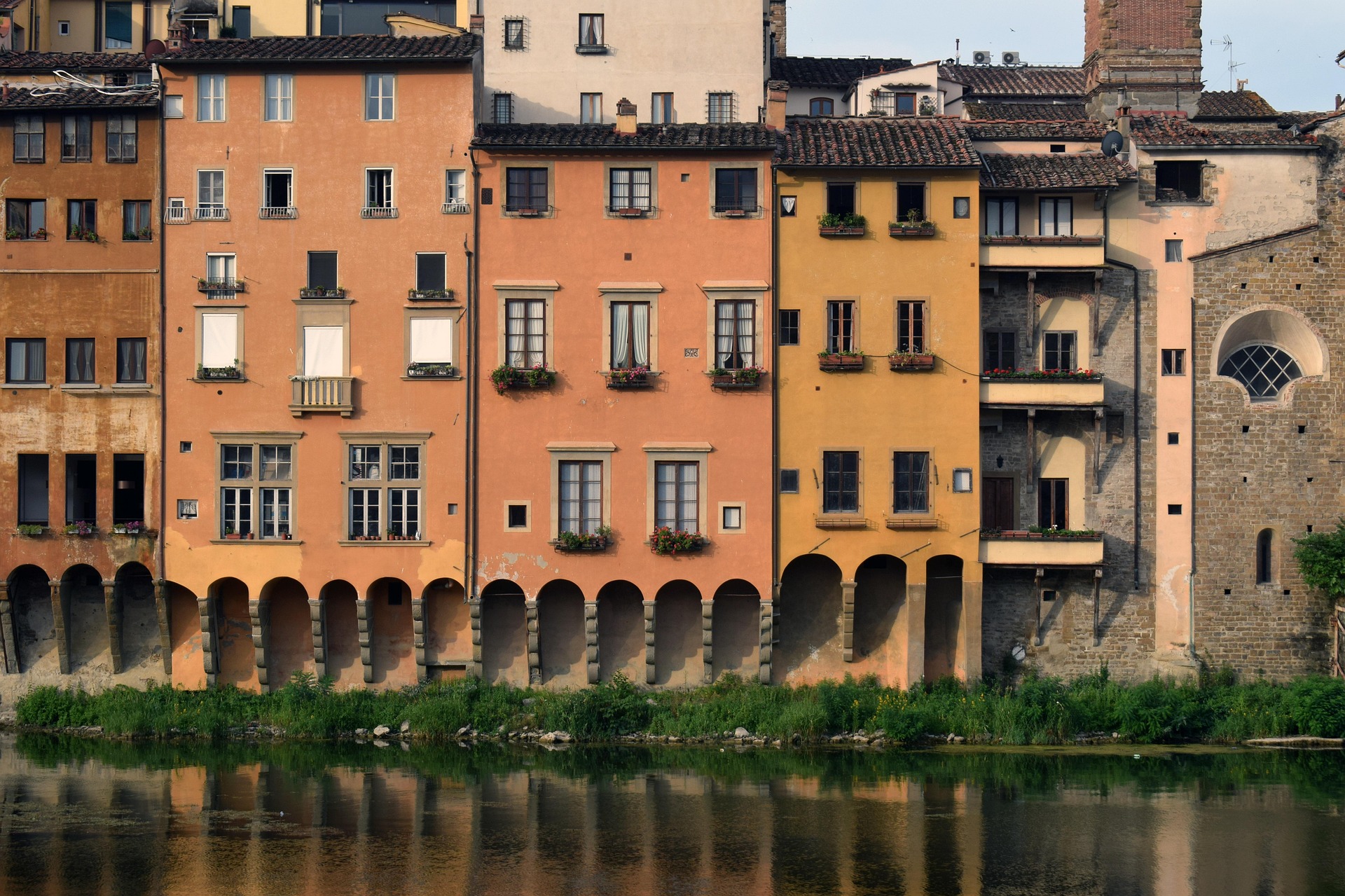
Florence is a different experience depending on what you're studying. If your subject has anything to do with visual culture, design or art history, the city is a practical resource, not just a backdrop. The Università degli Studi di Firenze and several international art and design schools are all well-established here.
The rental market is competitive, particularly in the areas immediately around the Duomo and Santa Croce. The Oltrarno and Campo di Marte neighbourhoods offer more space at lower prices and still have good access to the centre.
📚 Strong subject areas
📍 Yugo has 3 residences in Florence
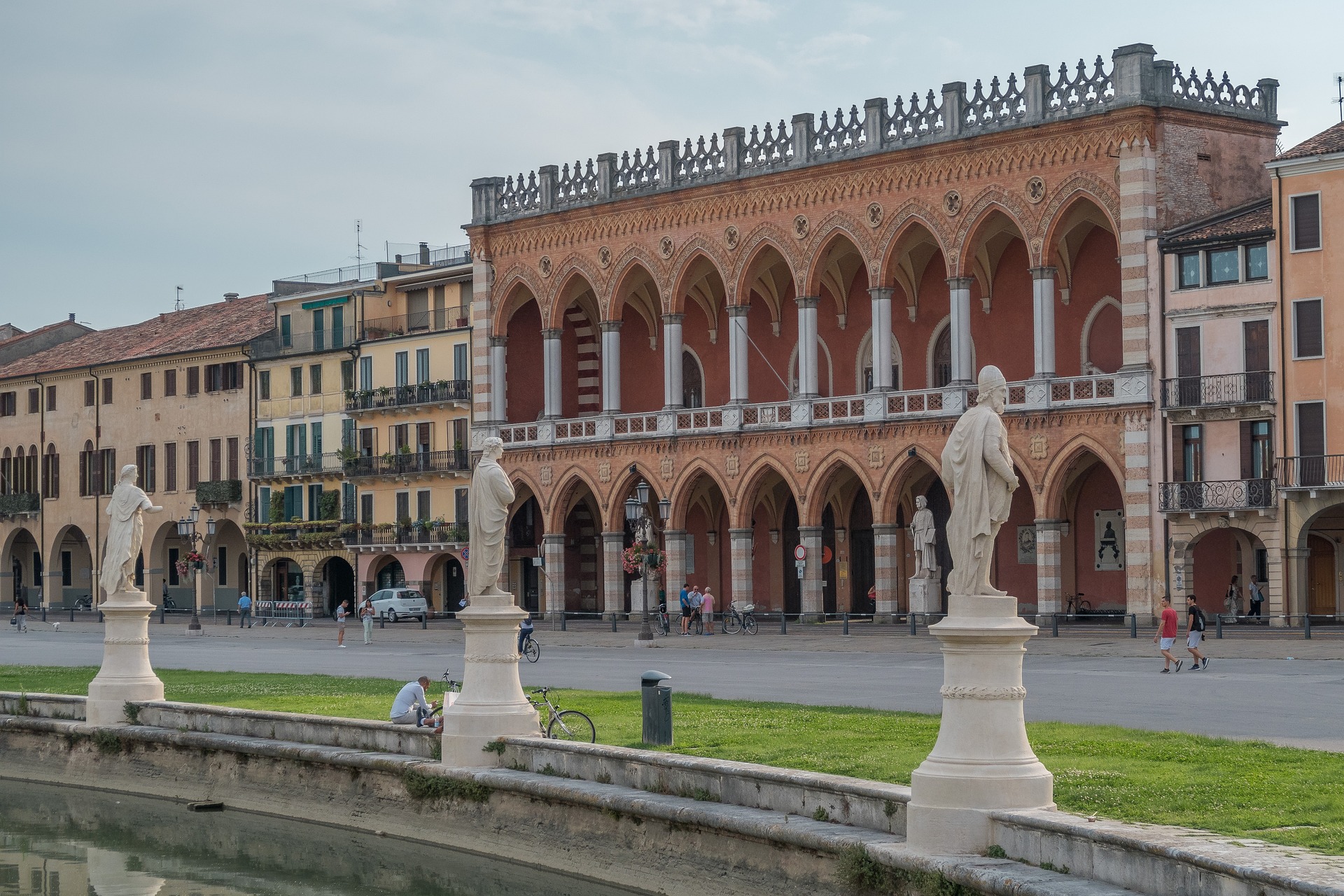
Padua is often underestimated by international students who focus on the bigger names. The University of Padua is one of the oldest in Europe and particularly strong in medicine, sciences and engineering. The city is smaller, which makes daily life genuinely easier. It is flat, very cyclable and considerably cheaper than Bologna or Florence.
Venice is 30 minutes by train. That's a practical point: Padua gives you a quieter, more affordable base while keeping you close to one of Italy's most visited cities. It's a good option if you want to stretch your budget further without giving up access to the country's cultural highlights.
📚 Strong subject areas
📍 Yugo has 1 residence in Padua
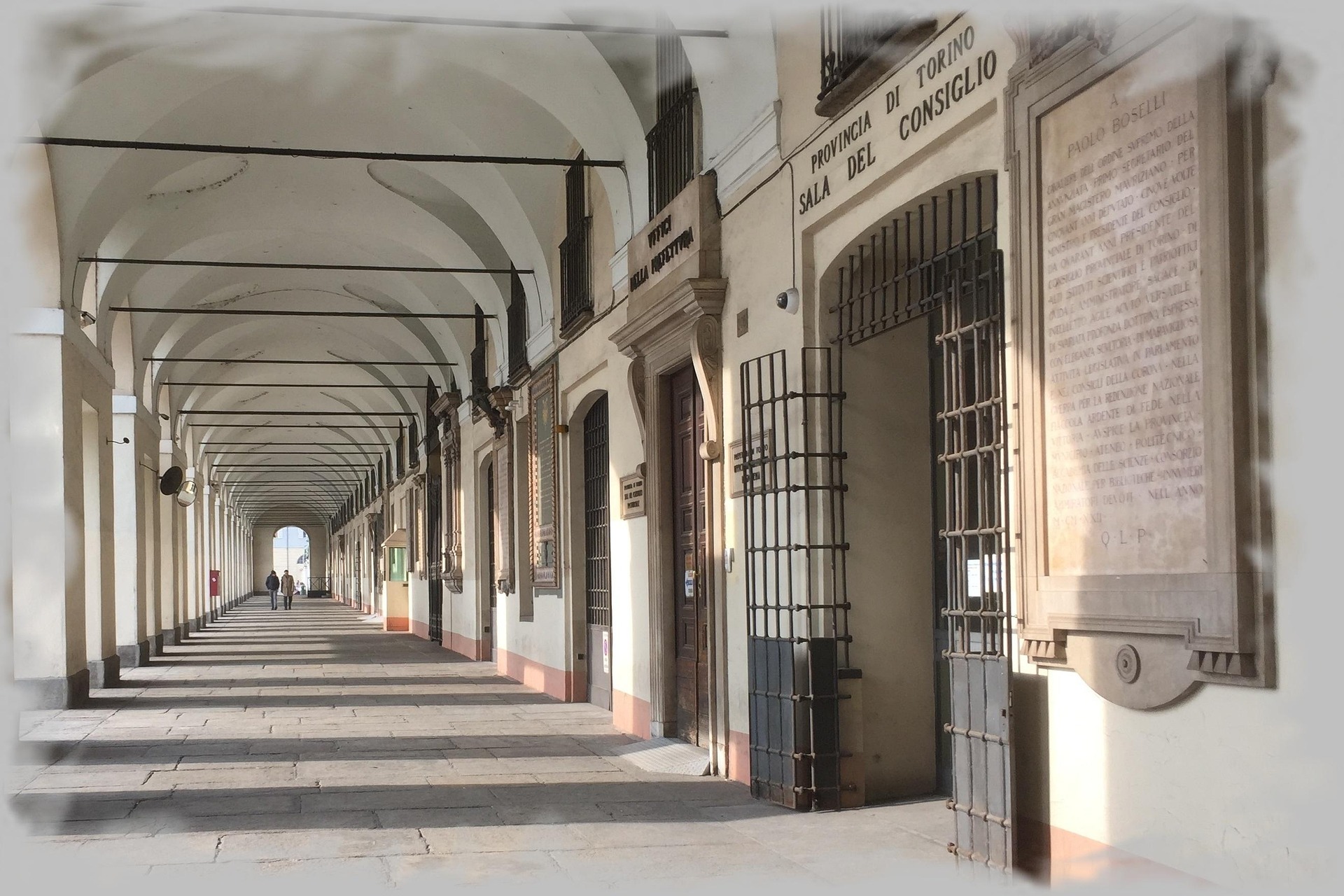
Turin does not have the international profile of Bologna or Florence, but it punches above its weight for students in technical and applied subjects. The Politecnico di Torino is one of Italy's top engineering and architecture schools. The city is also home to a large industrial heritage and a film and food culture that gives it a character distinct from the more obvious tourist destinations.
Rent is among the more affordable of the four cities. Crocetta and San Salvario are good student areas with reasonable prices. The city is large and well-connected by metro and tram, so distance from campus is less of a concern than in smaller cities.
📚 Strong subject areas
📍 Yugo has 1 residence in Turin
The fastest way to avoid most of what's in this guide is to book your accommodation before you arrive. With Yugo, you can do that from anywhere in the world, without visiting in person, without needing Italian, and without having your codice fiscale ready on day one.
Here's what's included when you stay with Yugo:
Italy's rental markets are competitive. Booking early, and booking right, makes everything that comes after easier. Find your Yugo room in Bologna, Florence, Padua or Turin and arrive ready to start.

Bologna, Florence, Padua or Turin? Here's how to pick the best city in Italy for your studies—including costs and lifestyle compared.
Comparing costs for your stay in Turin? Discover the price of student residences versus private flats, hidden fees to watch out for, and how to choose the best option for you.
Planning Erasmus in Florence? Discover where to live, what it costs, which universities host students and what daily life is really like.
Heading to Turin? Get the inside track on the city’s best student neighbourhoods and find your perfect home before you arrive.
Thinking of studying in Bologna? From the cost of living and best areas to the ultimate pros and cons, here is everything you need to know about student life in Italy’s historic university city.
Italy has been attracting international students for centuries and more students are now looking at it as a serious option for studying abroad.
We’ve scouted the city's best laptop-friendly hangouts, quiet libraries, and outdoor spots to help you stay productive throughout the semester. Take a look!