
How to Prepare for Life After University 💡




So, Italy is on your list. Good choice. 🇮🇹 And honestly, it makes sense. You get some of the oldest universities in the world, cities where student life is part of the culture and tuition fees that are often much lower than in the UK or the US.
Italy has been attracting international students for centuries and more students are now looking at it as a serious option for studying abroad. If you're thinking about doing the same, this guide gives you the practical version: where to study in Italy, which cities to consider, how much it costs and how the enrolment process works.
Let's get into it.
The University of Bologna was founded in 1088, making it the oldest university in the Western world still in operation. Italy's connection with higher education goes back centuries and you can feel it in the way many cities are built around student life.
But history is only part of the story. Italy also makes sense from a practical point of view. International enrolment has grown by around 10% per year since 2022, making it one of the fastest-growing study destinations in Europe. Studyportals also ranked Italy as the fifth most-searched study destination in the world in July 2025, behind Canada, the UK, the US and Germany.
At most public universities, tuition usually falls between €500 and €3,000 per year, which makes Italy a more realistic option for many students. The exact amount depends on the programme, the university and your family income. If your household income is lower, you'll usually pay less.
That's one of the reasons Italy is so attractive for international students. When you compare it with £9,250 per year in England or much higher fees at many US universities, studying in Italy often feels a lot more realistic.
Italy now offers around 1,250 programmes taught entirely in English, a 30% increase since 2019. About 60 of the country's 90 universities offer at least some English-taught degrees.
You don't need to speak Italian to enrol in many programmes, especially at master's level. Of course, learning the basics will make everyday life much easier.
Several Italian universities sit consistently inside the world's top 300. That means you're not giving up academic quality by choosing Italy over a more expensive destination.
You get respected institutions, international programmes, lower tuition fees and cities that are genuinely built around student life.
👉 Considering other European options? Read: 5 Reasons to Study Abroad
Some institutions appear regularly in global rankings and attract a large number of international students every year.
University | City | QS 2026 Rank | Known for |
Politecnico di Milano | Milan | #98 | Engineering, Design, Architecture |
Sapienza University of Rome | Rome | #128 | Law, Medicine, Humanities |
University of Bologna | Bologna | #138 | Law, Sciences, Social Sciences |
University of Padua | Padua | #233 | Medicine, Engineering, Sciences |
Politecnico di Torino | Turin | #246 | Engineering, Architecture |
University of Florence | Florence | 401 - 500 | Arts, Architecture, Humanities |
University of Turin | Turin | 401 - 500 | Law, Economics, Natural Sciences |
Rankings are useful, but they only tell part of the story. The best choice depends on what you want to study and the kind of academic environment you're looking for.
If you're interested in engineering, architecture, design or technology, Italy's technical universities are some of the strongest options in Europe. If your subject is art history, fashion, architecture, cultural heritage or the humanities, the city itself often becomes part of your education. Studying these subjects in places like Florence, Bologna, Rome or Turin gives you access to museums, archives, historic buildings and cultural institutions that are hard to match elsewhere.
Italy has many university cities, but four stand out for their mix of academic quality, international student life and practical everyday infrastructure.
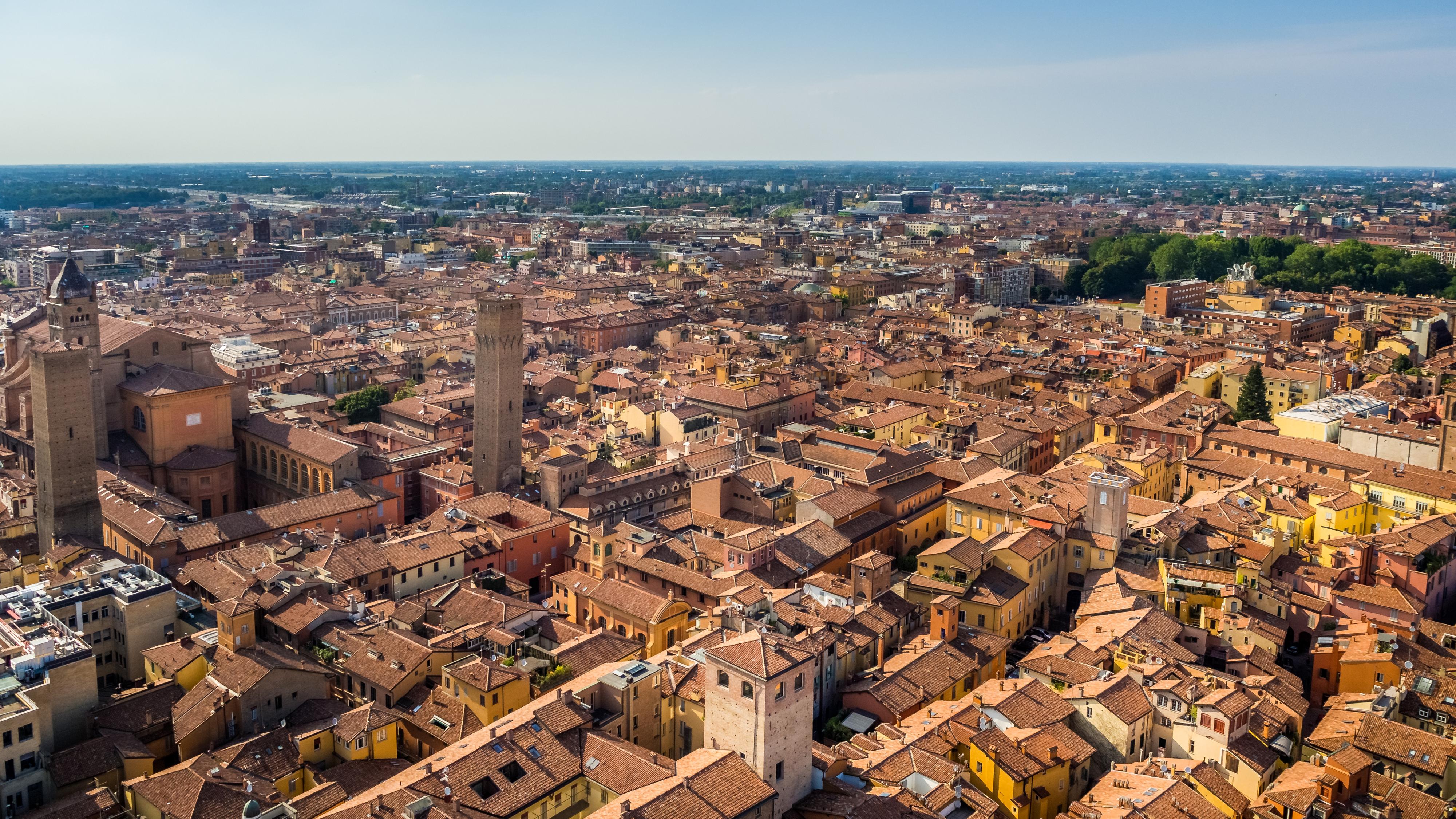
Bologna has been built around students since 1088, when its university was founded. Since then, the city has grown with academic life at its centre. Even the long covered porticoes that line the main streets were partly designed to protect students walking to lectures.
Today, the University of Bologna has more than 85,000 students across its campuses. The city centre is compact, walkable and social in a way that feels very natural. You don't need to plan every outing. In Bologna, student life often happens in the streets, under the porticoes, in piazzas, markets, cafés and small bars.
It is also well connected. Florence is about 35 minutes away by high-speed train, while Milan takes less than an hour.
📚 What to study here | 💶 What it actually costs |
|
|
📍 Yugo has 1 residence in Bologna
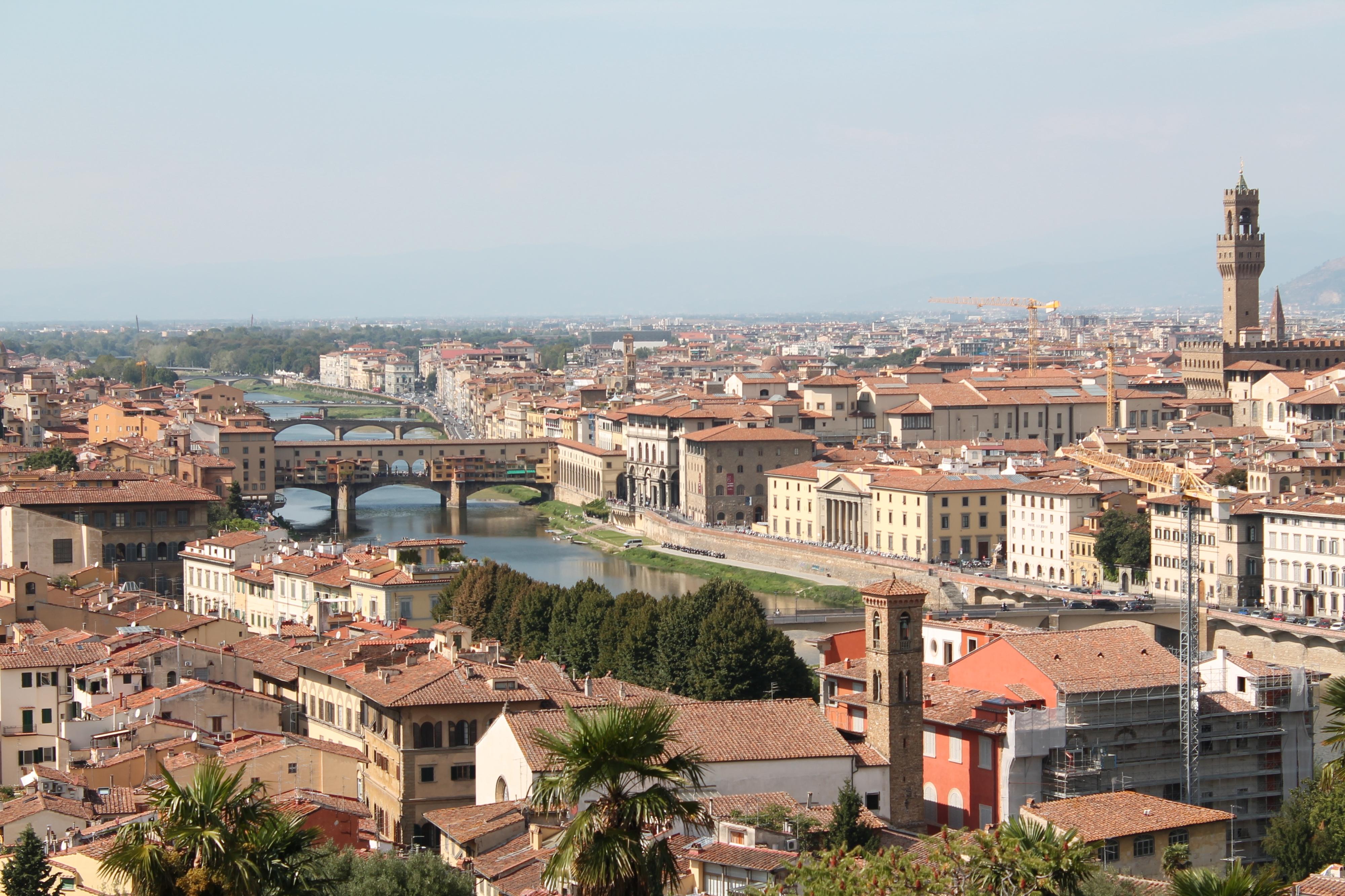
Florence is a particular choice for students. It works especially well if you're studying art, design, architecture, fashion or visual culture.
Here, you don't leave your subject in the classroom. You see it while walking to class, crossing the centre, passing churches, museums, workshops and Renaissance buildings. The Uffizi is nearby, and many streets feel like pages from an art history book, without the distance of a textbook.
The University of Florence has around 52,000 students and the city is used to welcoming people from abroad. You'll meet plenty of exchange students from the US, the UK and other parts of Europe, so getting by in English is usually not hard.
Making friends with Italian students takes a bit more effort. But if you do, Florence starts to feel less like a study-abroad destination and more like a real city to live in.
📚 What to study here | 💶 What it actually costs |
|
|
📍 Yugo has 3 residences in Florence
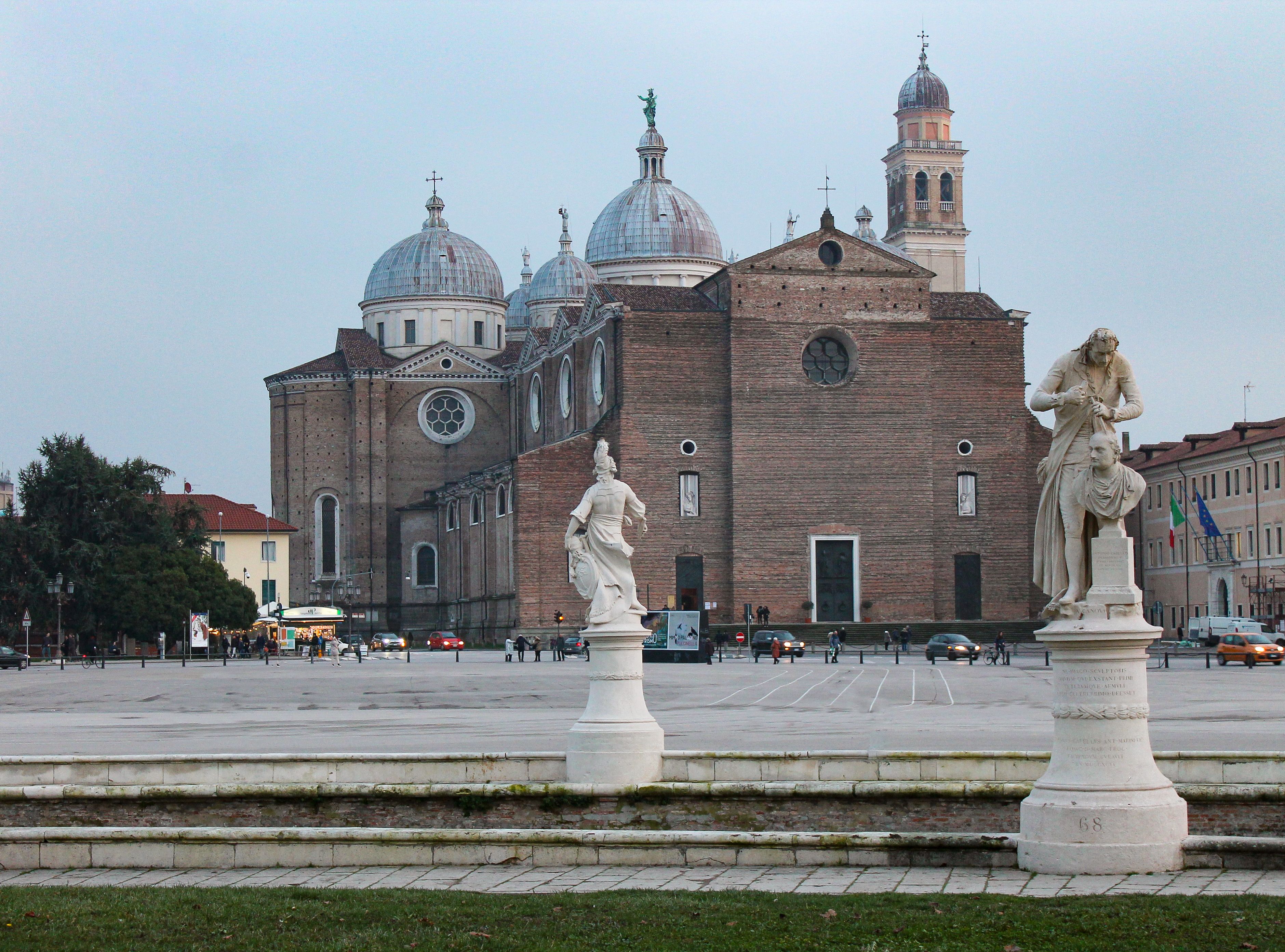
Padua doesn't always come up first when international students think about Italy. That's a shame, but it can also work in your favour.
It's calmer than Bologna and Florence, but the university has nothing to envy them. The University of Padua was founded in 1222, making it one of the oldest universities in the world, and it still sits among the top 250 globally.
The city has a strong student rhythm too. Around 65,000 students live in a city of about 200,000 people, so university life is part of daily life here, from the cafés to the piazzas.
Padua is also one of the most budget-friendly options in northern Italy. Living costs are lower than in many other major university cities and the location is excellent. Venice is about 30 minutes away by train and Milan is easy to reach too. The historic centre is lively without feeling overwhelming, especially around Prato della Valle, one of Europe's largest squares.
📚 What to study here | 💶 What it actually costs |
|
|
📍 Yugo has 1 residence in Padua
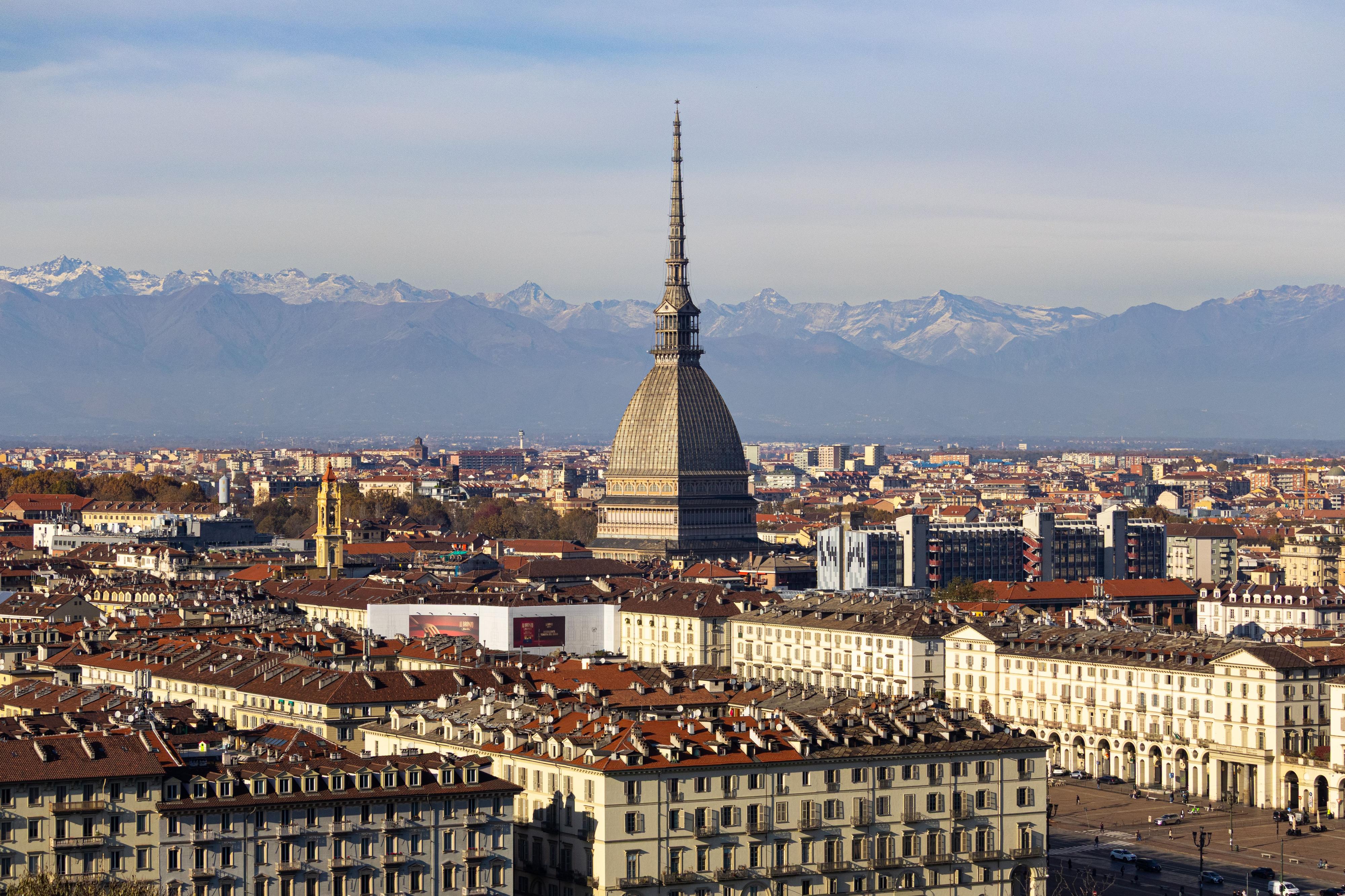
Turin has a very clear personality. It's the right city if you're looking for something practical, technical and a bit less obvious than Bologna or Florence.
It has always been linked to industry, engineering, cars, design and manufacturing. That background still matters today, especially if you're studying at Politecnico di Torino, one of Italy's strongest technical universities. In the QS 2026 ranking, it sits at #246 globally and is especially well known for aerospace, automotive, civil engineering, architecture and industrial design.
The University of Turin gives the city a different side, with strong courses in law, economics, life sciences and humanities.
Turin also works well if you're trying to keep costs under control. Rents are more manageable than in many northern Italian cities, there's a metro, plenty of parks, good cafés, museums and a food scene that people often underestimate. On clear days, you can see the Alps from the city. In winter, you can reach ski resorts in less than an hour.
📚 What to study here | 💶 What it actually costs |
|
|
📍 Yugo has 1 residence in Turin
Finding accommodation as an international student in Italy can be one of the most stressful parts of the move. Private rentals go out quickly, many landlords ask for an Italian guarantor and bills are often not included in the rent. University dormitories can also have long waiting lists and limited availability.
Yugo gives you a simpler option.
With student residences in Bologna, Florence, Padua and Turin, Yugo is designed for students arriving in a new country who need more than just a room. You get a place to live, practical support and a student community from day one.
Here's what's included:
The enrolment process depends on a few things: whether you're an EU or non-EU student, whether you're applying for a bachelor's, master's or exchange programme and the specific requirements of your chosen university.
Here's how it usually works for most non-EU international students.
Start with Universitaly, the official Italian government platform for university pre-enrolment. It lists recognised universities and programmes across Italy, including English-taught degrees.
You can search by subject, city, university and teaching language, which makes it easier to compare your options before applying.
Non-EU students usually need to complete pre-enrolment through Universitaly between February and April for courses starting in September or October.
Once your pre-enrolment is processed, you'll receive a reference number. Your local Italian consulate or embassy will need this when you apply for your student visa.
If you're a non-EU student, you'll need a long-stay student visa, also called a Type D visa, before entering Italy.
Applications are handled by the Italian consulate or embassy in your home country. You'll usually need:
🎒 Pro tip
Once you arrive in Italy, you have 8 working days to apply for your Permesso di Soggiorno, or residence permit, at the nearest post office.
This is separate from your visa and is required for stays longer than 90 days. Your university's international office can guide you through the process, but it's worth starting the paperwork as early as possible.
After your visa is approved and you arrive in Italy, you'll complete your formal enrolment directly with the university.
This usually includes paying your first tuition installment, submitting final documents and registering for your courses. Most Italian universities have a dedicated international students office.

Start with the basics: what are you studying, how much can you spend and what kind of daily life do you want? That already narrows things down a lot.
Bologna is the safe bet if you want a classic Italian student city. It works well for law, social sciences, humanities and general sciences. The centre is easy to move around, trains are excellent and there are enough students to make the city feel open from the start.
Florence makes more sense if your course is tied to art, architecture, design, fashion or cultural heritage. It is more expensive, especially for rent, but the setting matters. Museums, historic buildings, archives, workshops and creative spaces are part of everyday life here, not something you visit once in a while.
Choose Padua if you're looking for a strong university, especially in medicine, engineering, computer science or research-led subjects, but want to keep your living costs lower. It's one of the most underrated student cities in Italy, with Venice just 30 minutes away by train.
Choose Turin if you're looking at engineering, aerospace, automotive, architecture or industrial design. It's a city with a clear technical identity, more manageable rents than many places in northern Italy and solid industry links, especially through Politecnico di Torino.