
How to Prepare for Life After University 💡



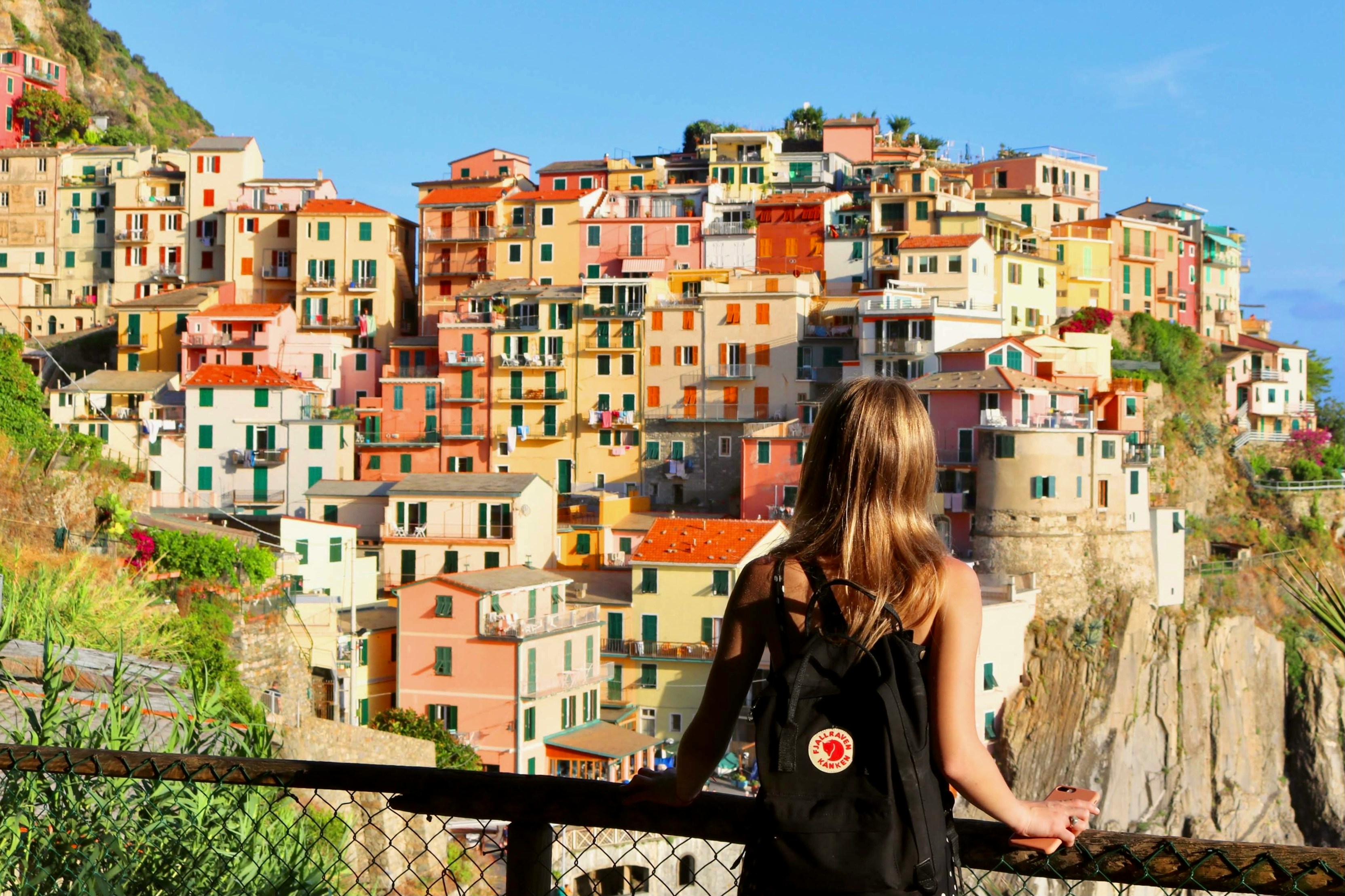
So, you're thinking about Italy. Good call 🇮🇹
Choosing to study abroad is already a big step. But the country is only part of it. The city you end up in changes everything. Bologna doesn't feel like Florence. Padua is a completely different experience compared to Turin. Each one attracts a specific type of student. If you make the right choice, your experience will immediately take a positive direction. Get it wrong and you'll spend years wondering if you'd have been happier somewhere else.
This guide will help you understand what are the best cities to study in Italy. We'll look at the four Italian cities where Yugo has student residences, what it's actually like to live and study there, plus how much you can expect to spend. By the end, you'll have a clearer idea of which one fits you best.
A lot of countries promote themselves as top study destinations. Italy doesn't really need to push that hard. The numbers already show it. International student enrolments have been going up steadily in the last few years and more and more people are starting to consider it as a real alternative to the usual options.
So why is this happening? It mostly comes down to a few practical things.
It's not just one thing, it's how all of this comes together. That's what makes Italy work for a lot of students.
Yugo is present in four Italian cities. Each one has its own character, its own academic strengths and its own reasons to love it. Here's what you need to know about each of them.
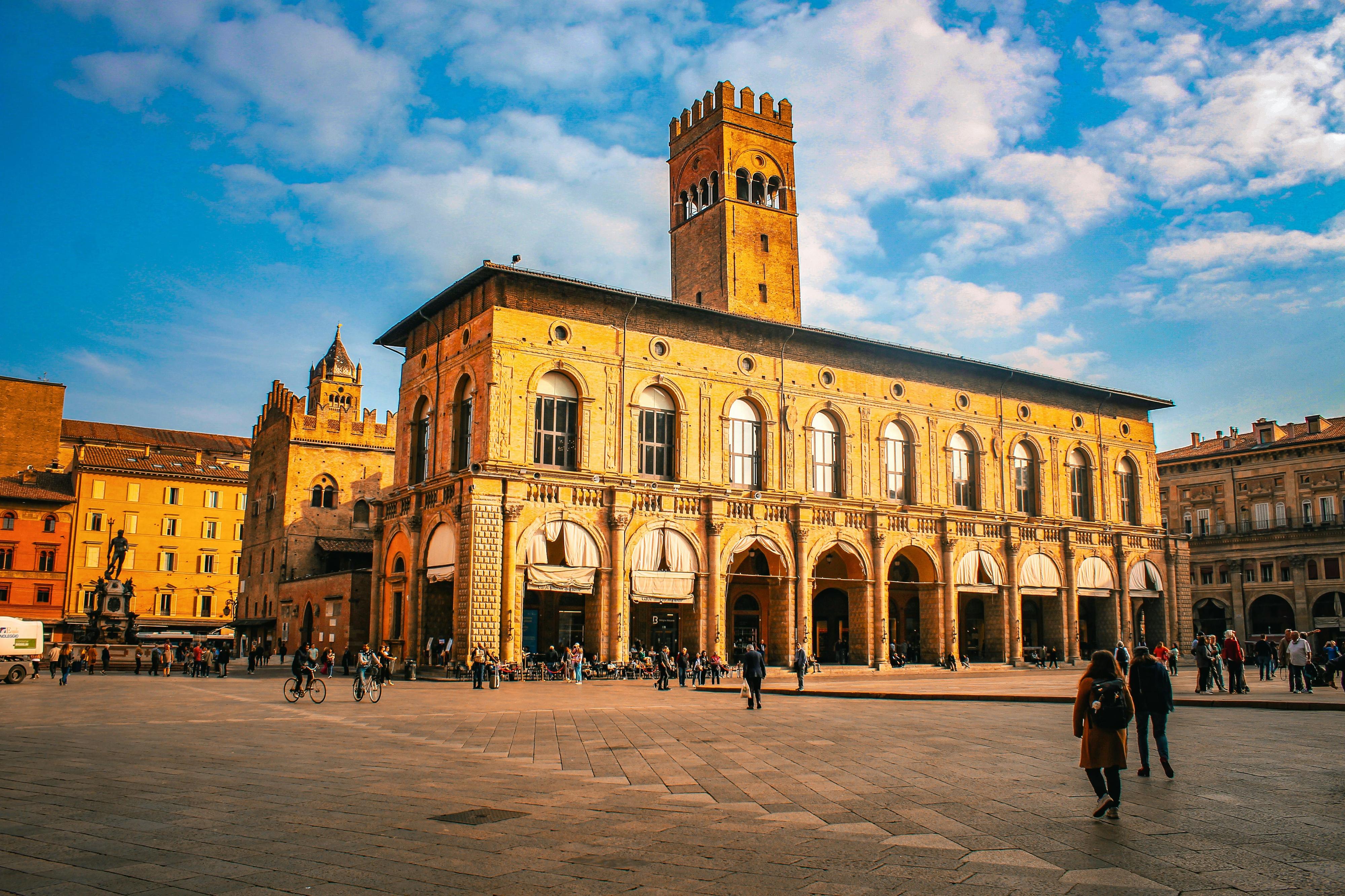
The University of Bologna was founded in 1088. That's not a fun fact to drop at parties (although it works). It's context for how completely this city has been shaped around student life for nearly a thousand years. The porticoes that run along every street were built to shelter students walking to lectures. The food scene is extraordinary partly because students and professors have always been the main customers.
Today, Bologna is consistently one of the most recommended Italian cities for international students. Not just because of the university's reputation, but because the city itself is genuinely built for the kind of life students want to live. Compact, walkable, social, affordable and always something on.
📚 What to study here?
💶 What it actually costs?
📍Yugo has 1 residence in Bologna
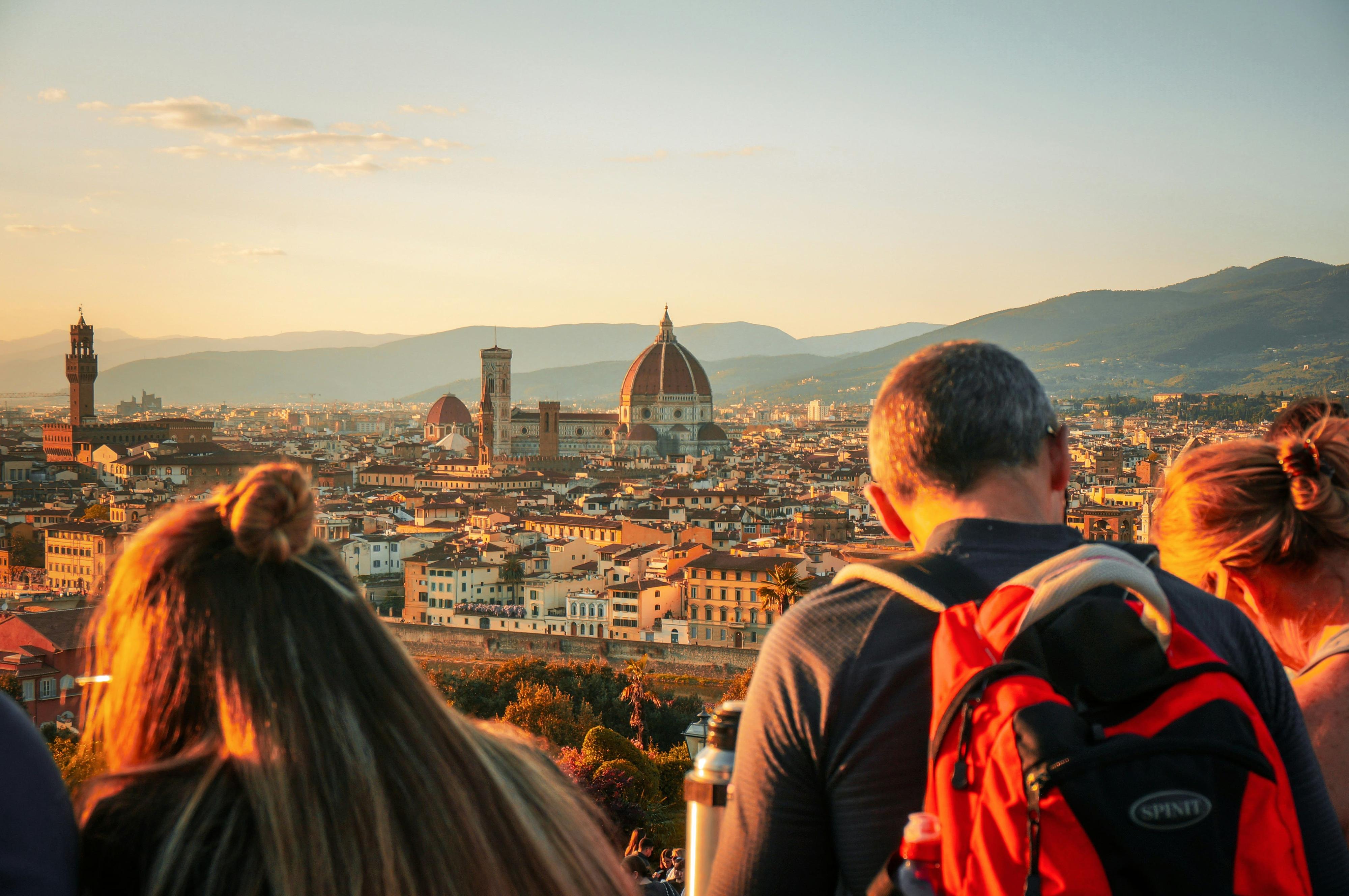
If your subject has anything to do with visual culture, design, architecture, art history or fashion, Florence is a genuinely special place to study.
Not in a brochure way. In a practical, every-single-day way. The Uffizi is a short walk from most student areas. Medieval and Renaissance architecture is your outdoor classroom. Craft workshops that have been operating for generations are still open in the Oltrarno district.
Florence also has a strong ecosystem of international schools and academies alongside the University of Florence, which is particularly well-suited to students from the US, UK and East Asia.
American study abroad programmes have been coming here for years, so the city is used to international students and everything is already set up for them.
📚 What to study here?
💶 What it actually costs?
📍Yugo has 3 residences in Florence
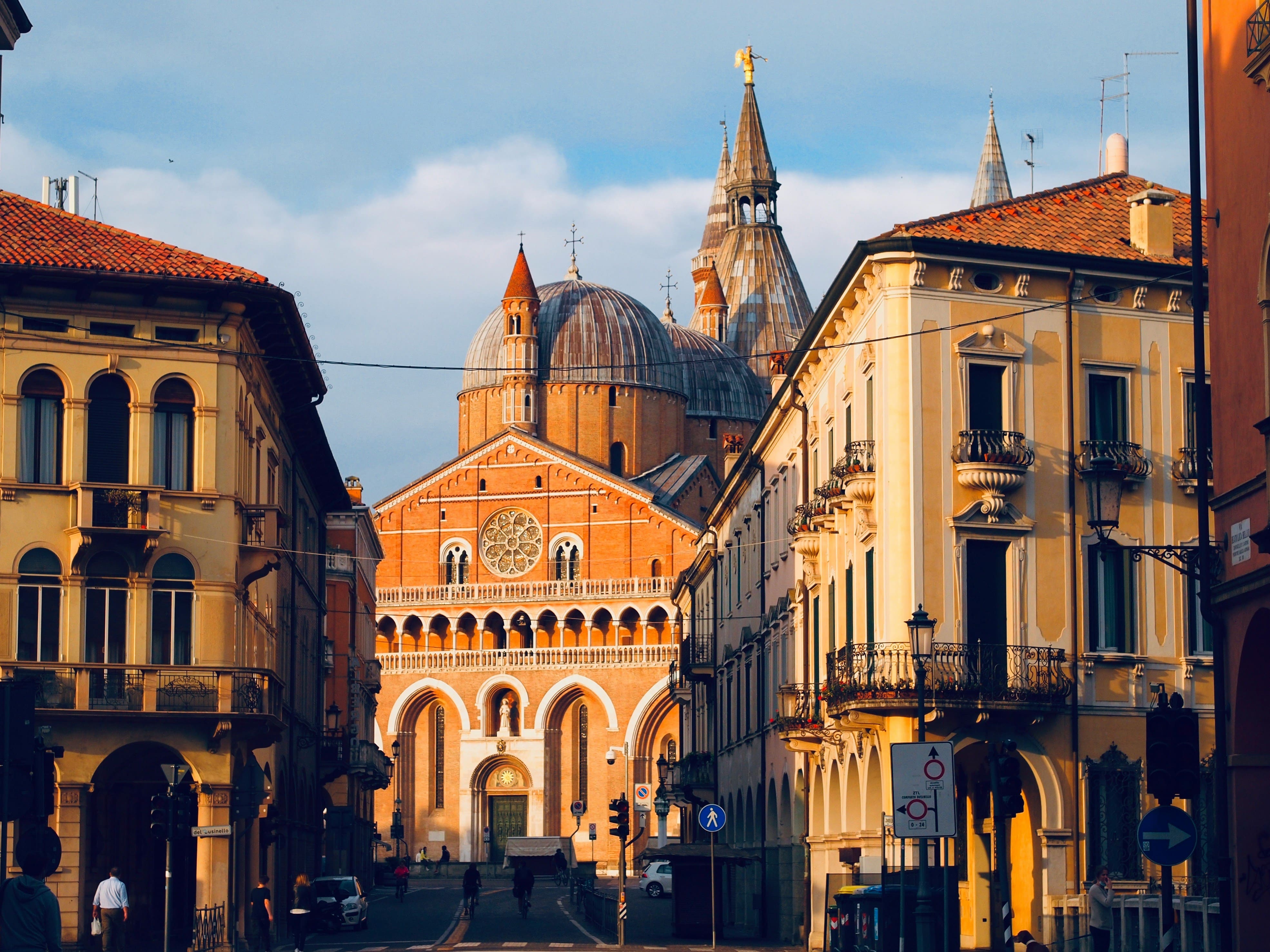
Here's the thing about Padua that tends to surprise people: it doesn't have the name recognition of Bologna or Florence, but academically it belongs in exactly the same conversation.
The University of Padua, founded in 1222, is one of the oldest and most respected research universities in Europe. Galileo taught here. The world's oldest surviving anatomical theatre is here. This is a place with serious academic heritage and the teaching quality to match.
What Padua offers that the other cities can't quite match is a combination of that academic weight with a notably lower cost of living. If you're on a scholarship or trying to keep your budget under control, Padua is one of the easier cities to manage financially.
And if you feel like changing scene, Venice is only about 30 minutes away by train.
📚 What to study here?
💶 What it actually costs?
📍Yugo has 1 residence in Padua
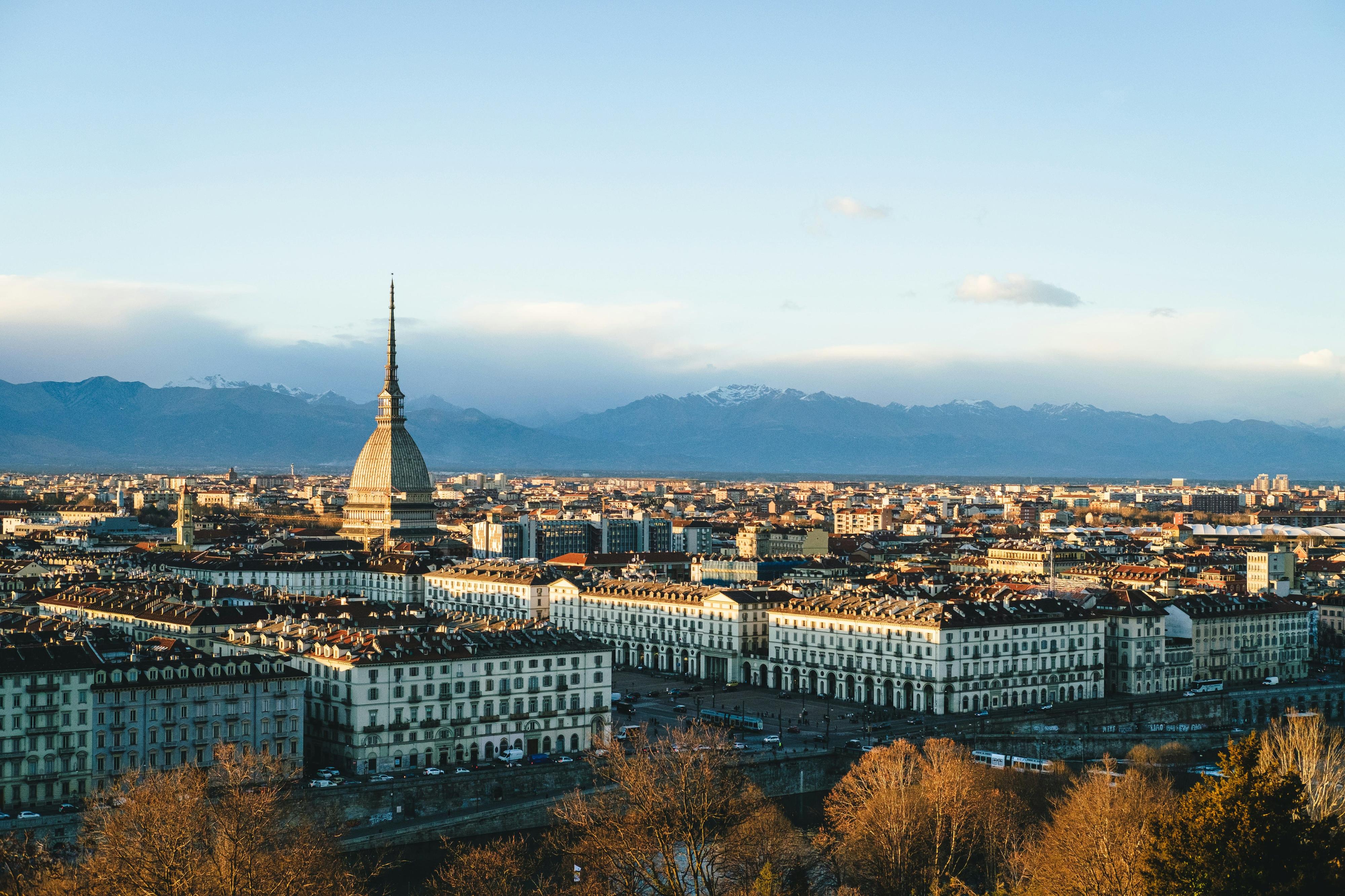
Turin often gets overlooked by students who head straight to Bologna or Florence. That's their loss, honestly. Turin was Italy's first capital, then Fiat's city and has spent the last few decades quietly becoming one of the most interesting places in the country. There's a growing creative scene, a café culture that rivals anywhere in Italy and on clear days you can see the Alps from the western edge of the city.
For students in engineering, technology, architecture or design, the Polytechnic University of Turin is one of the strongest options in Italy. Its industry connections are real and its reputation opens doors across Europe. The University of Turin covers a broader range of subjects for students in sciences, humanities and law. Piedmont as a region hosts more than 12.000 international students, reflecting a city that's well set up for life as a student from abroad.
📚 What to study here?
💶 What it actually costs?
📍Yugo has 1 residence in Turin
| City | Best for | Monthly costs | Yugo Residences |
| Bologna | Law, Medicine, Humanities | €1,000 - 1,200 | 1 |
| Florence | Arts, Design, Architecture | €1,000 - 1,300 | 3 |
| Padua | Sciences, Medicine, Education | €700 - 900 | 1 |
| Turin | Engineering, Design, Technology | €1,000 - 1,200 | 1 |
Finding a good accommodation abroad is genuinely stressful. Navigating Italian rental sites in a language you don't yet speak, dealing with agencies, not knowing which neighbourhoods are actually safe. We get it. That's exactly why Yugo exists.
Our student residences in Bologna, Florence, Padua and Turin are purpose-built for international students. Everything is taken care of before you arrive, so you can focus on the parts that actually matter: settling in, making friends and starting your studies.
Honestly? It depends on who you are and what you want from your time in Italy. Here's a shortcut:
Whatever you're looking for in your student experience, there's an Italian city that fits, and a Yugo residence ready to make it feel like home.