
How to Prepare for Life After University 💡


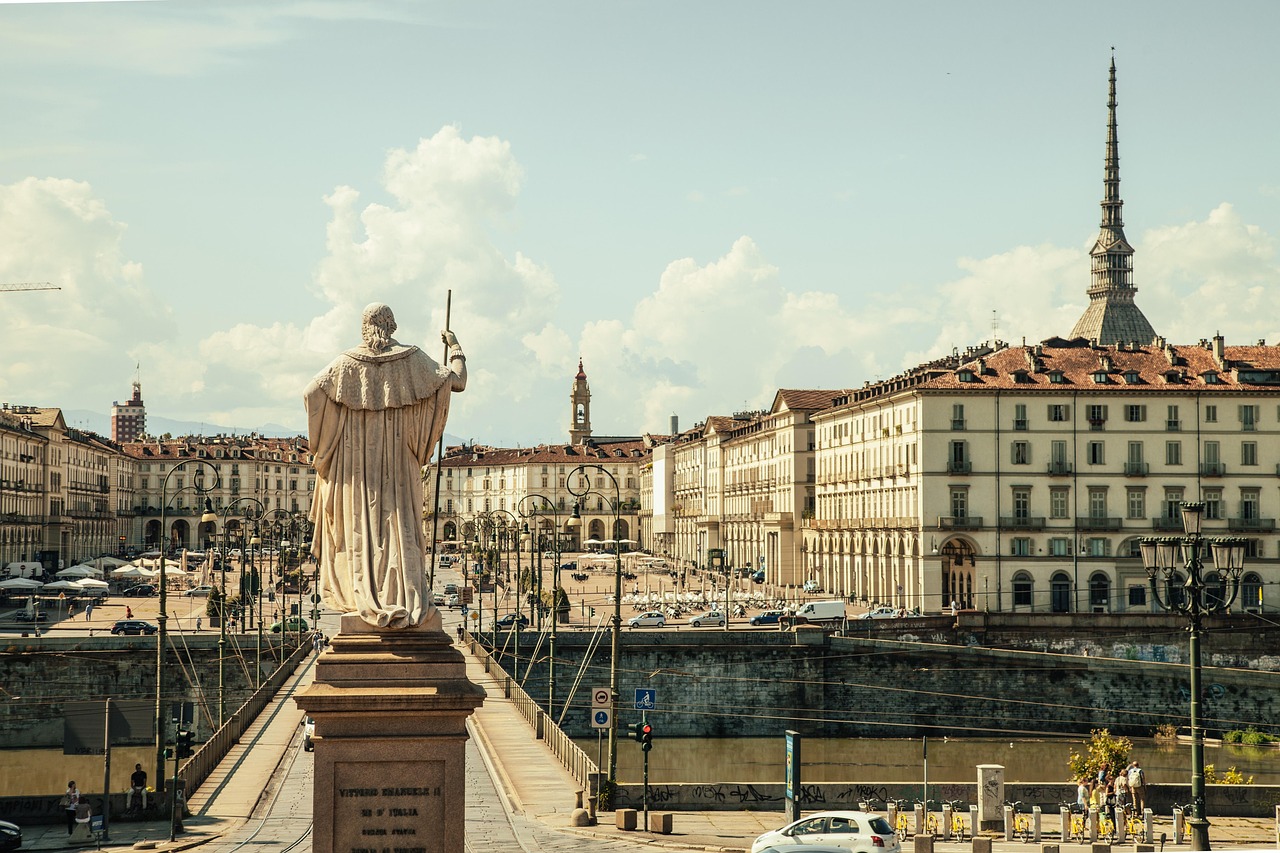
Erasmus in Turin often starts with one practical decision: where are you going to live?
The city is elegant, spacious and much more student-friendly than many people expect. It has the Alps in the background, historic cafés under the porticoes, busy university areas and a cost of living that feels more manageable than Milan, Rome or Florence.
But Turin is also bigger than it looks at first. Living near Politecnico di Torino is very different from staying close to Porta Nuova, and choosing San Salvario, Vanchiglia, Crocetta or Cenisia can completely change your daily routine.
Your neighbourhood, after all, affects everything: how long it takes to get to class, how much you spend on rent, where you go for aperitivo, how easily you meet other students and how connected you feel to the city.
That said, this guide helps you understand where to live during your Erasmus in Turin, what each student area is really like, how much accommodation costs and what to expect once you arrive.
Turin is a great choice for Erasmus students if you want a proper university city without the pressure, crowds or prices of places like Milan, Rome or Florence.
The city has two major universities:
If you're coming for engineering, architecture or design, Politecnico is one of the main reasons to choose Turin. It ranks #206 in the QS World University Rankings 2026 and is among the top 55 universities worldwide for Engineering and Technology. That makes a difference if you want your Erasmus to support your studies as well as your social life.
Turin is also easier to manage on a student budget. It's cheaper than Milan, which is about 90 minutes away by train, and most Erasmus students spend around €700 to €800 per month on rent, food plus going out.
Getting around is simple too. The public transport network is reliable, and a monthly student pass costs around €25, so you can move across the city without putting too much pressure on your budget.
Then there's the city's aperitivo culture, which is a real bonus when you're watching your budget. In many bars, one drink often comes with a generous food spread, so you can go out, meet people and eat without spending too much. Finding these everyday savings is essential, and further advice on navigating these financial adjustments can be found in the Ultimate Guide to Budgeting at University.
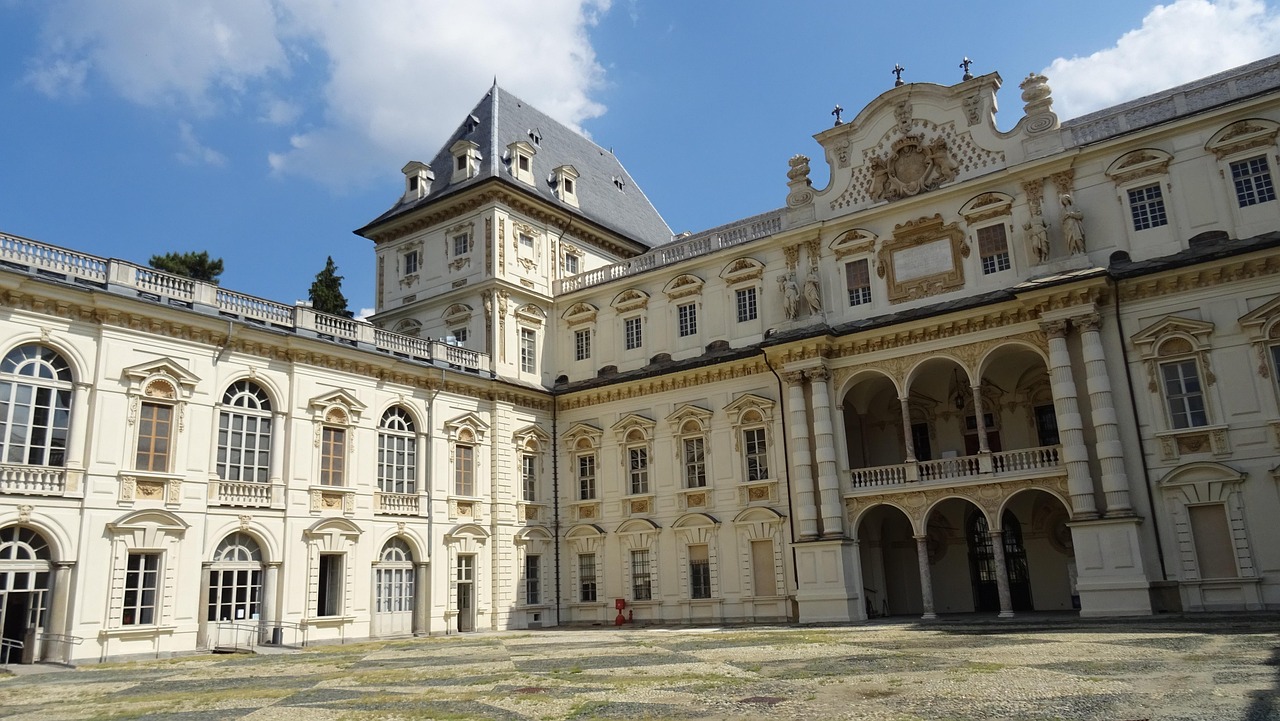
Most student-friendly areas in Turin are located south and east of the historic centre. They are generally well connected, so choosing one neighbourhood doesn't mean cutting yourself off from the rest of the city.
Obviously, some areas are better for nightlife, others for cheaper rent, quieter routines or easy access to university buildings. Here's what to know before you start looking.
San Salvario is one of the most popular student neighbourhoods in Turin, especially if you want to settle into the city quickly.
It sits just south of Porta Nuova, the main train station, so getting around is easy from day one. The area is full of trattorias, aperitivo bars, cafés and small grocery shops, with Parco del Valentino only a short walk away along the Po river.
This is where Turin's student life feels most immediate. During the week, especially on Wednesday and Thursday nights, the bars around Via Principe Amedeo attract a mix of Italian and international students. If meeting people early in your Erasmus is a priority, San Salvario makes that easier.
The trade-off is rent. The neighbourhood is popular with students and young professionals, so prices have risen. As of 2026, data shows that renters should budget €670 to €800 per month for a 50-square-metre flat in San Salvario, climbing to €1,050 to €1,275 monthly for a larger 80-square-metre property. As a result, a single room in a shared flat is the most common solution, typically costing around €400 to €550 per month.
It's still a realistic choice for many students, but start looking early, especially if you're arriving for the October semester. Good rooms don't stay online for long.
Vanchiglia sits just east of the city centre, between the Po River and the Dora Riparia. Once a working-class neighbourhood, today it attracts artists, designers and students, especially those connected to the humanities faculties at UniTo.
Compared to San Salvario, the pace is calmer and the atmosphere feels more local. There are independent coffee shops, small bars and quiet streets, with a community feel that takes a little longer to notice but makes the area pleasant to live in.
The location is another advantage. Piazza Gran Madre di Dio is within walking distance, and the Po riverbanks are a favourite spot for studying outside, running or spending summer evenings with friends.
Rent is usually slightly lower than in San Salvario, although prices are rising in the most popular streets. Vanchiglia is a good choice if you want a student-friendly area with personality, but without being in the middle of the nightlife.
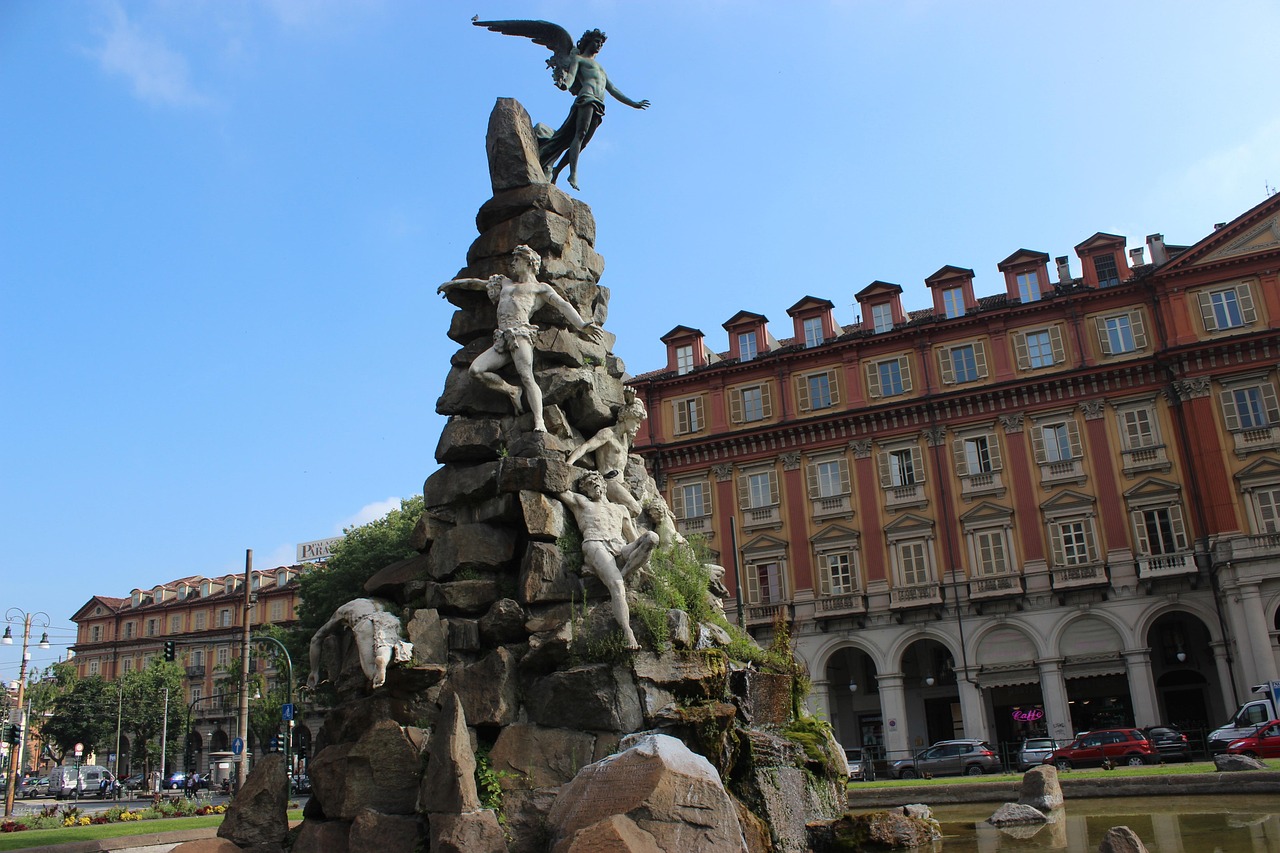
Crocetta is the most convenient area if you're studying at Politecnico di Torino. The main campus is right next door, so if your Erasmus is in engineering, architecture or design, you can often walk to class in just a few minutes.
The neighbourhood is residential, quiet and elegant, with Liberty-style buildings (the Italian version of Art Nouveau) and wide streets that make it pleasant for everyday life. It also has useful services nearby, including the daily market on Corso de Gasperi, parks and the GAM, Galleria Civica d'Arte Moderna e Contemporanea.
The pace here is slower than in San Salvario, which works well if you have a demanding course load and want to stay close to campus without losing time on transport.
The downside is the price. Crocetta is one of Turin's more expensive neighbourhoods, with average rents around €14 per square metre in 2026. Shared flats are available, but demand is high because of Politecnico.
If Crocetta is your first choice, start your search early and expect to spend a little more than in San Salvario.
Cenisia and Cit Turin sit west of the historic centre, close to Porta Susa station. This makes the area useful if you plan to travel during your Erasmus, as high-speed trains to Milan, Paris and other cities leave from here.
These neighbourhoods are less talked about than San Salvario or Vanchiglia, which can work in your favour. There is often more availability, slightly lower rent and a quieter daily routine.
Cenisia is also practical for students. Politecnico di Torino is easy to reach by tram, and the main UniTo areas are well connected by public transport. The neighbourhood feels residential, but not isolated: you'll still have supermarkets, bakeries, cafés and local bars close by.
It's a good choice if you want a calm, practical base without living in the middle of Turin's nightlife. You can still go out when you want, then come back to an area that feels easier to manage day to day.
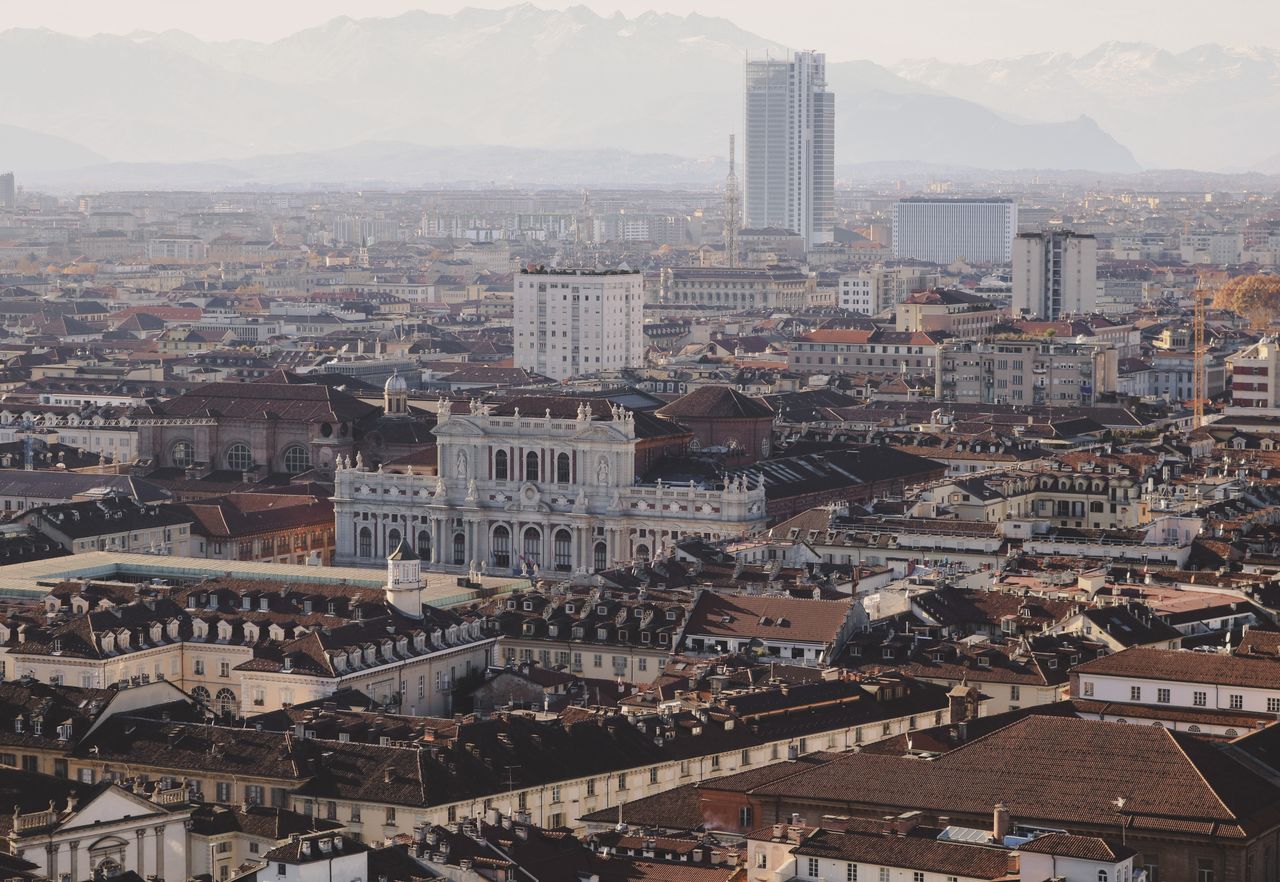
Turin's rental market is cheaper than Milan and usually close to Bologna, although prices change a lot depending on the neighbourhood.
Here's a quick idea of what to expect:
Housing type | Approximate monthly cost | Notes |
Single room in a shared flat | €350 - 550 | The most common choice for students |
Shared room in a shared flat | €200 - 350 | Best value, especially for shorter exchanges |
Private studio | €550 - 800+ | More independence, but bills are usually separate |
Student residence studio | from around €977 | Furnished studio, bills and services often included |
For most students, a room in a shared flat remains the most affordable option. San Salvario and Crocetta are usually at the higher end of the range, especially for single rooms close to the centre or Politecnico. Cenisia and Vanchiglia can offer better value, with good rooms starting from around €350 per month if you search early.
A private studio gives you more independence, but the total cost can rise quickly once you add bills, internet, deposits and agency fees.
Student residences such as Yugo's Beyoo Taurasia Living Turin operate on an all-inclusive model. Whilst the headline rent may initially appear higher than that of a standard shared flat, the comparison becomes much closer once you account for your actual monthly outgoings. Because bills, high-speed internet, and maintenance are factored into the price, the total monthly expenditure can often be surprisingly competitive — sometimes even working out as more cost-effective than managing your own separate utility contracts.
Beyond the financial simplicity, choosing this route grants you access to an extensive range of facilities designed to enhance your student experience without the need to source external services.
👉 Want to compare living options before you arrive? Read The Benefits of Living Off Campus.
One thing that surprises many Erasmus students is how easy Turin is to move around. The GTT public transport network covers the city with buses, trams and a metro line connecting Porta Nuova, the university areas and Porta Susa. A monthly student pass costs around €25, which is low compared to many other Italian cities.
Then there's aperitivo, which is a real advantage when you're living on a student budget. Between 6pm and 9pm, especially in San Salvario or the city centre, many bars serve food alongside your drink for around €8 to €12. Students often use it as a light dinner before going out. It's also one of the easiest ways to meet people during the first weeks of your exchange.
Turin also has a surprisingly strong museum scene. The Egyptian Museum has the second largest collection of Egyptian artefacts outside Cairo, while the National Cinema Museum is inside the Mole Antonelliana, one of the city's most recognisable landmarks. Most museums offer student discounts, and some have free entry on the first Sunday of the month.
On clear days, you can see the Alps from different parts of the city. In winter, skiing is realistic for a weekend trip, with several resorts reachable in under two hours. In summer, Parco del Valentino becomes one of the main student hangouts along the Po. People go there to study, run, cycle or spend long evenings with friends that often start without any real plan.
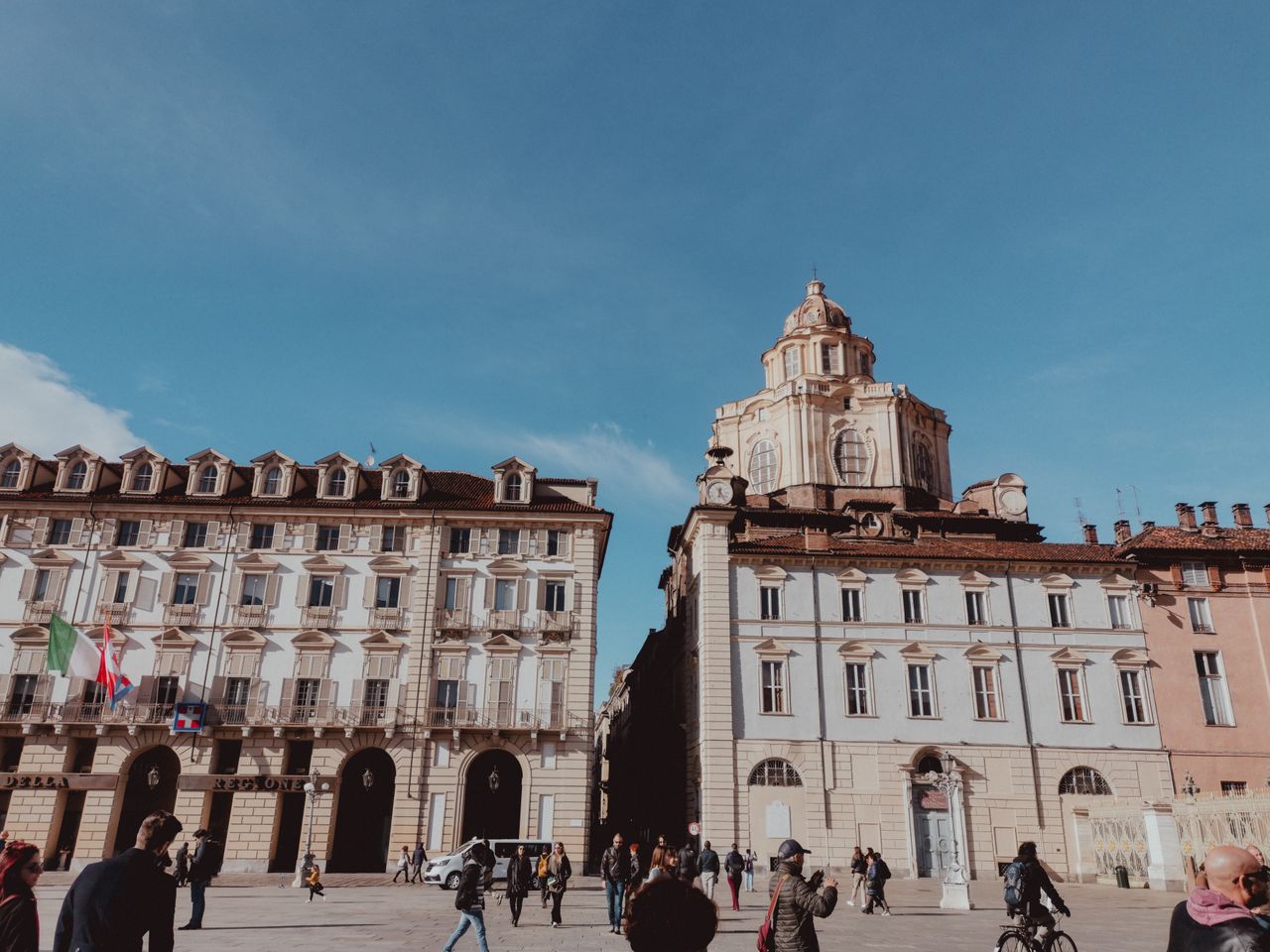
Finding accommodation from abroad is usually one of the most stressful parts of planning an Erasmus. With Yugo in Turin, you can sort your room before you arrive and know exactly what to expect from day one: a furnished space, bills included and support on site when you need it.
Here's what makes it easier:
Choosing where to live in Turin usually comes down to three things: where you study, what kind of social life you want and how much you want to spend on convenience.
If you're studying at Politecnico di Torino, look first at Crocetta and Cenisia. Crocetta is the easiest choice if you want to walk to campus. Cenisia is a bit further out, but rents are often lower and the tram connections are good.
If your classes are at UniTo and spread around the centre, San Salvario is one of the most practical areas. You'll be close to Porta Nuova, connected to the rest of the city and right in the middle of one of Turin's busiest student scenes.
For something calmer, Vanchiglia is a good middle ground. It feels more local, prices are still fairly reasonable, and you can reach both universities by bus, bike or tram.
Also, Turin is flat. That makes cycling a realistic option for most students. With a bike, you can cut transport costs and move around the city without relying on buses or trams every day.