
How to Prepare for Life After University 💡



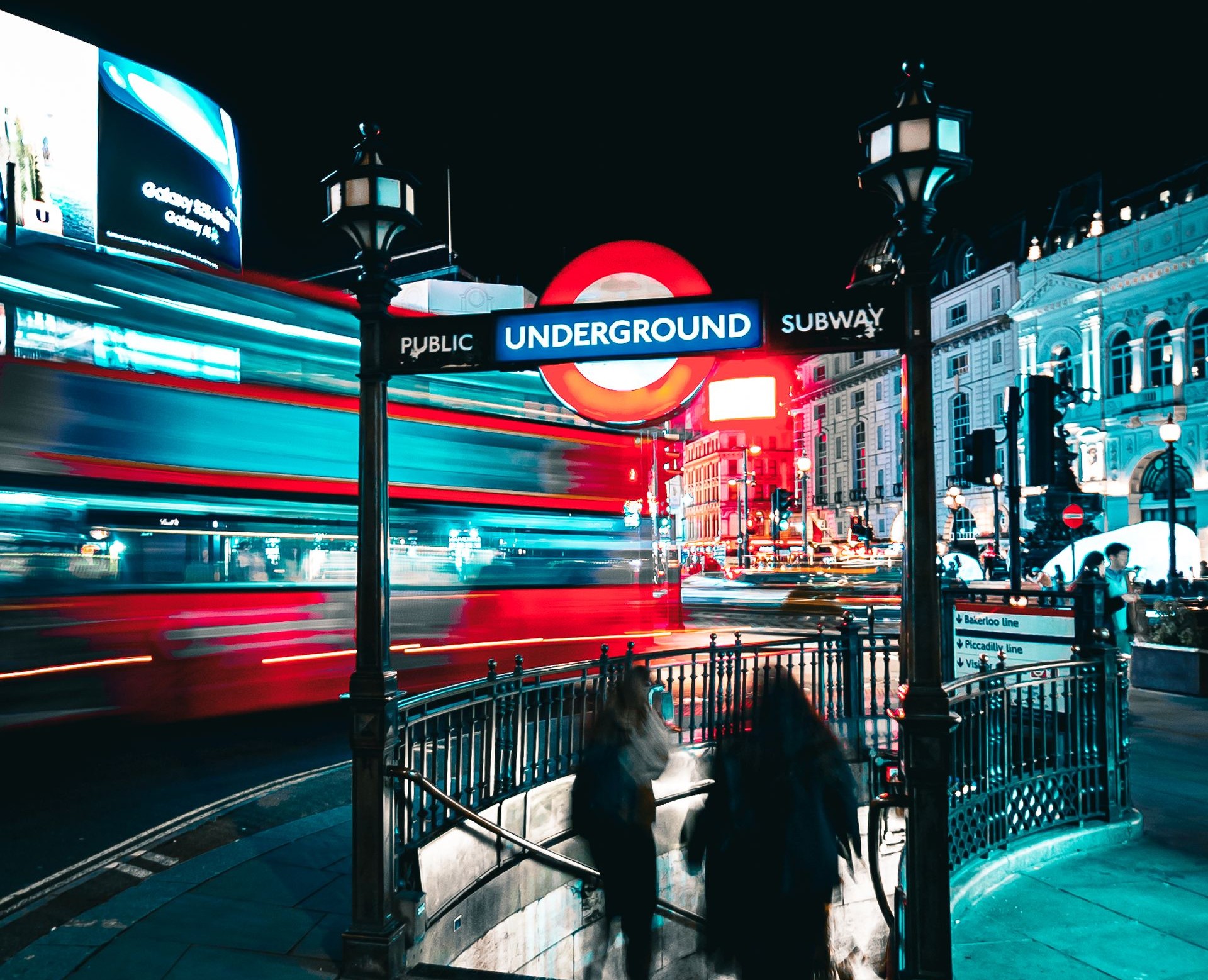
Moving to London for university? One of the first things you’ll need to get your head around is how to get from A to B. The good news is that London’s transport network is one of the most impressive in the world, making it easy to travel across the city quickly and efficiently.
From the famous London Underground to the city’s iconic red buses, there are plenty of ways to get around. Once you understand how it all fits together, navigating the city becomes second nature.
Whether you’re commuting to lectures, heading out with friends or exploring the city, this guide covers everything you need to know about London transport, including costs, payment methods and local insider knowledge – perfect for international students and those new to the city.
TL;DR: London is one of the best cities in the world for public transport – meaning you’ll be getting around like a local in no time. Between buses, trains, trams, and the Tube, you’re sure to find an easy route to most destinations. But remember, most transport in the city is cashless!
London’s public transport network is run by Transport for London (TfL) and includes the Underground (Tube), Overground, buses and some local train and tram services like London Trains (in South London) and the Docklands Light Railway (DLR). These are all integrated, meaning you can switch between them easily using the same payment method.
Many of your longer journeys around the city will involve a mix of transport types, especially if you’re travelling from outer areas into central London. Luckily, with the right know-how, the city is super easy to navigate and you’ll soon have the confidence to go out and explore all the best things to do in London.
Here are some key apps to download before you arrive:
As traffic is often heavy and parking in the city is expensive, Londoners rely heavily on public transport - particularly during peak hours. Services are frequent, but trains and platforms can get busy, especially in the morning and evening rush.
So, it pays to plan ahead and ensure you always have enough time to get to your destination (without missing the start of your lecture!)
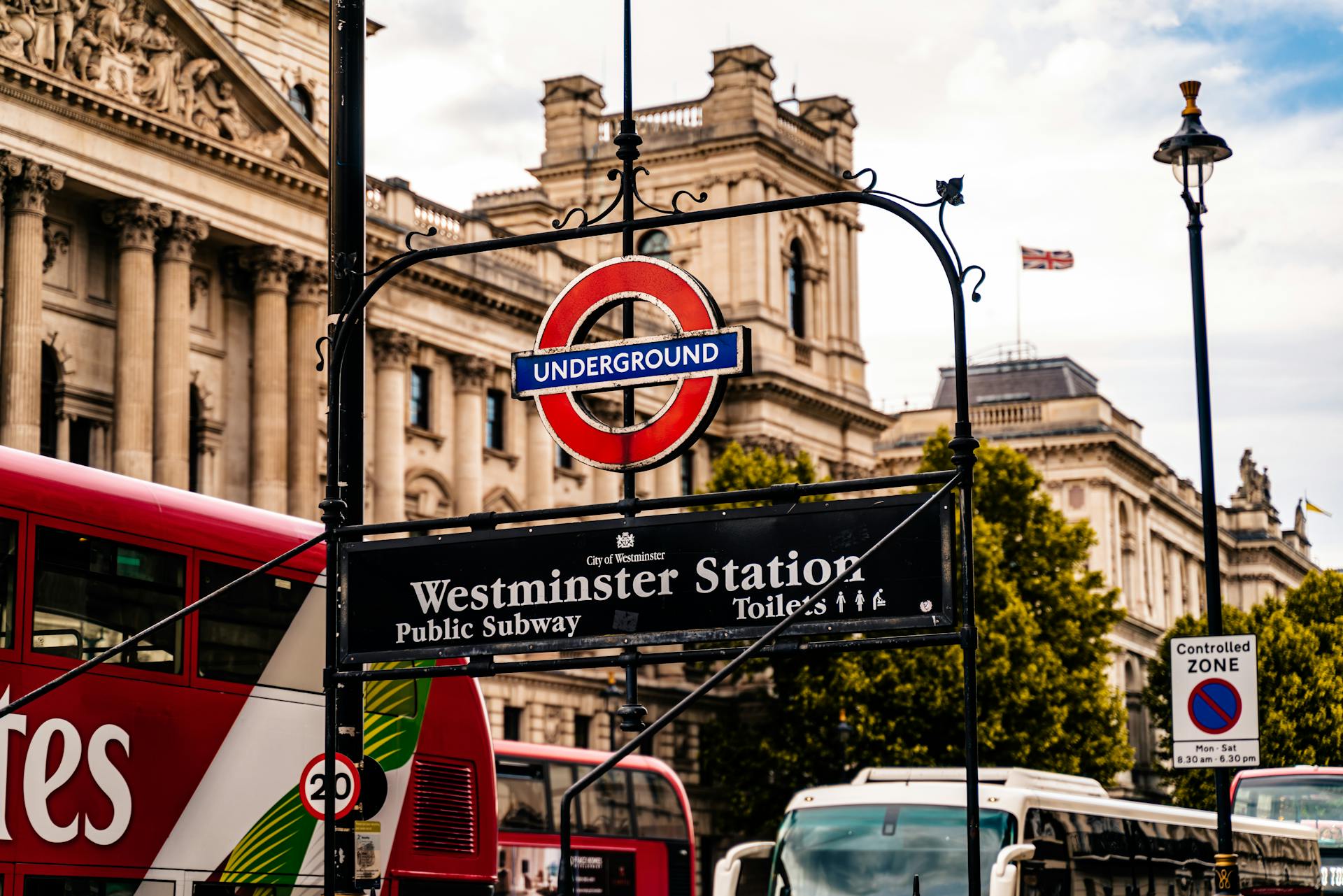
London is divided into nine travel zones, which are used to calculate fares. Zone 1 covers central London, where many universities (including UCL, King’s and LSE), landmarks and attractions are located. Most students live and study within Zones 1 to 3, although accommodation further out can be more affordable.
The cost of your journey depends on:
There’s also a daily and weekly cap (£8.90 per day when travelling within zones 1 and 2) when using contactless or an Oyster card. This means once you reach a certain spend, the rest of your travel for that day or week is effectively free.
Understanding zones is key to managing your budget, especially if you’ll be commuting between zones. The main thing to remember is this: the more zones you travel through, the more expensive your fare will be.
As a capital city, London is home to plenty of different public transport options. Not sure which one is right for you? Look no further than our breakdown and comparison table below, where we cover costs, how to pay and operating hours for each type of transport.
The Tube is the fastest way to travel across London and covers most key areas, including central university locations. Learning the main London Underground zones and lines will make your daily journeys much easier, but there are handy maps (like this one on the TfL website) and guides at every station if you need help.
Cost 💸
Tube fares vary depending on the distance you travel and the time of day. For example, a single journey within Zones 1–2 typically costs around £3, with potentially cheaper off-peak fares. Luckily, if you’re taking multiple journeys each day, daily caps help to keep costs manageable.
How to pay 💳
The easiest way to use the Tube is with a contactless debit or credit card or a mobile wallet like Apple Pay or Google Pay. Simply tap in through the gates at the start of your journey and tap out at the end.
If you prefer something physical, you can also apply for an 18+ Student Oyster photocard which you can use to pay as you go while also enjoying 30% off Travelcards when purchasing tickets in advance!
Operating hours 🕓
Most Tube lines run from around 5am until midnight. On Fridays and Saturdays, selected lines operate a Night Tube service running 24 hours.
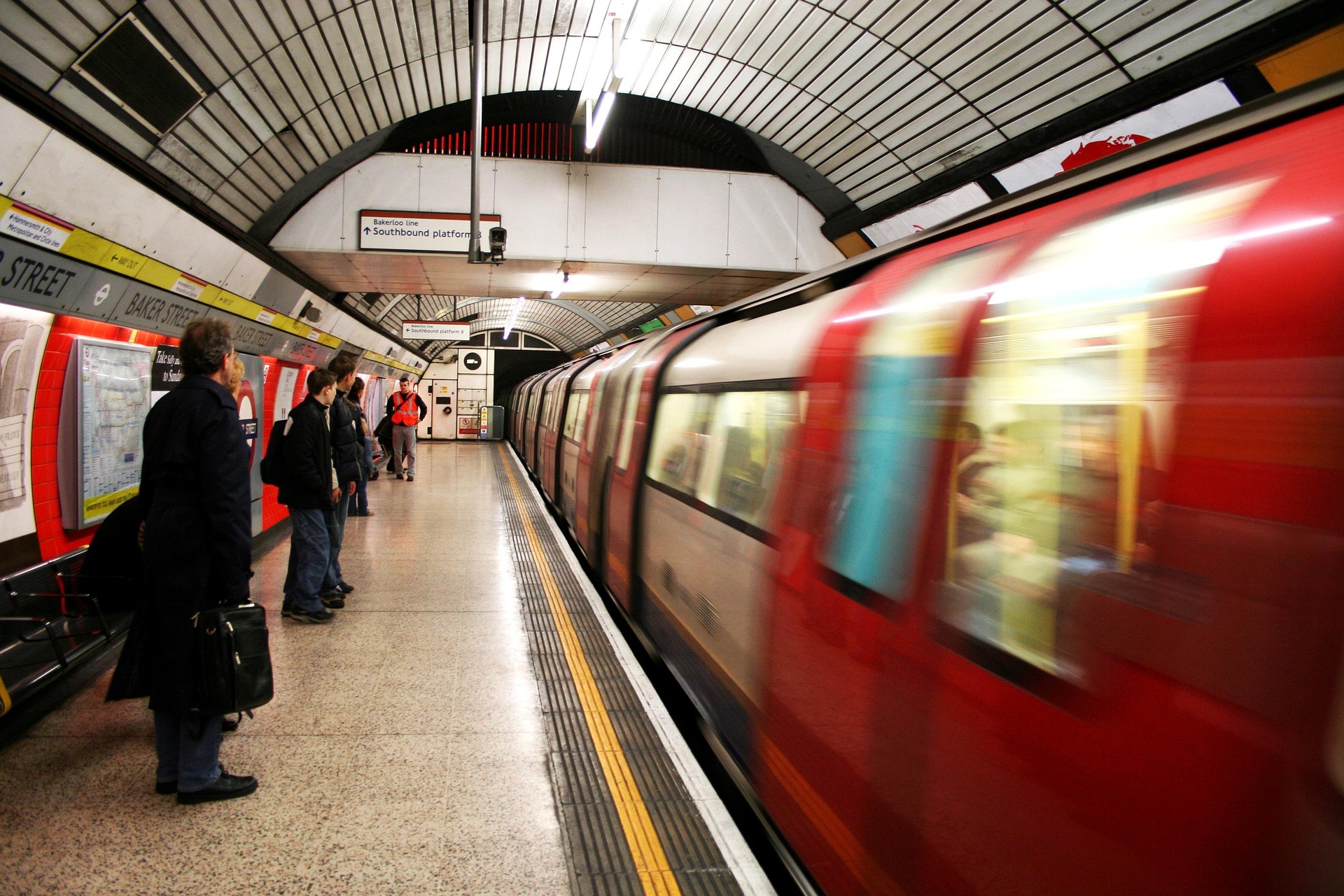
PSA – always make sure you tap off at the end of a journey, even if the gates at the station are open. If you forget, you’ll be charged the maximum fare.
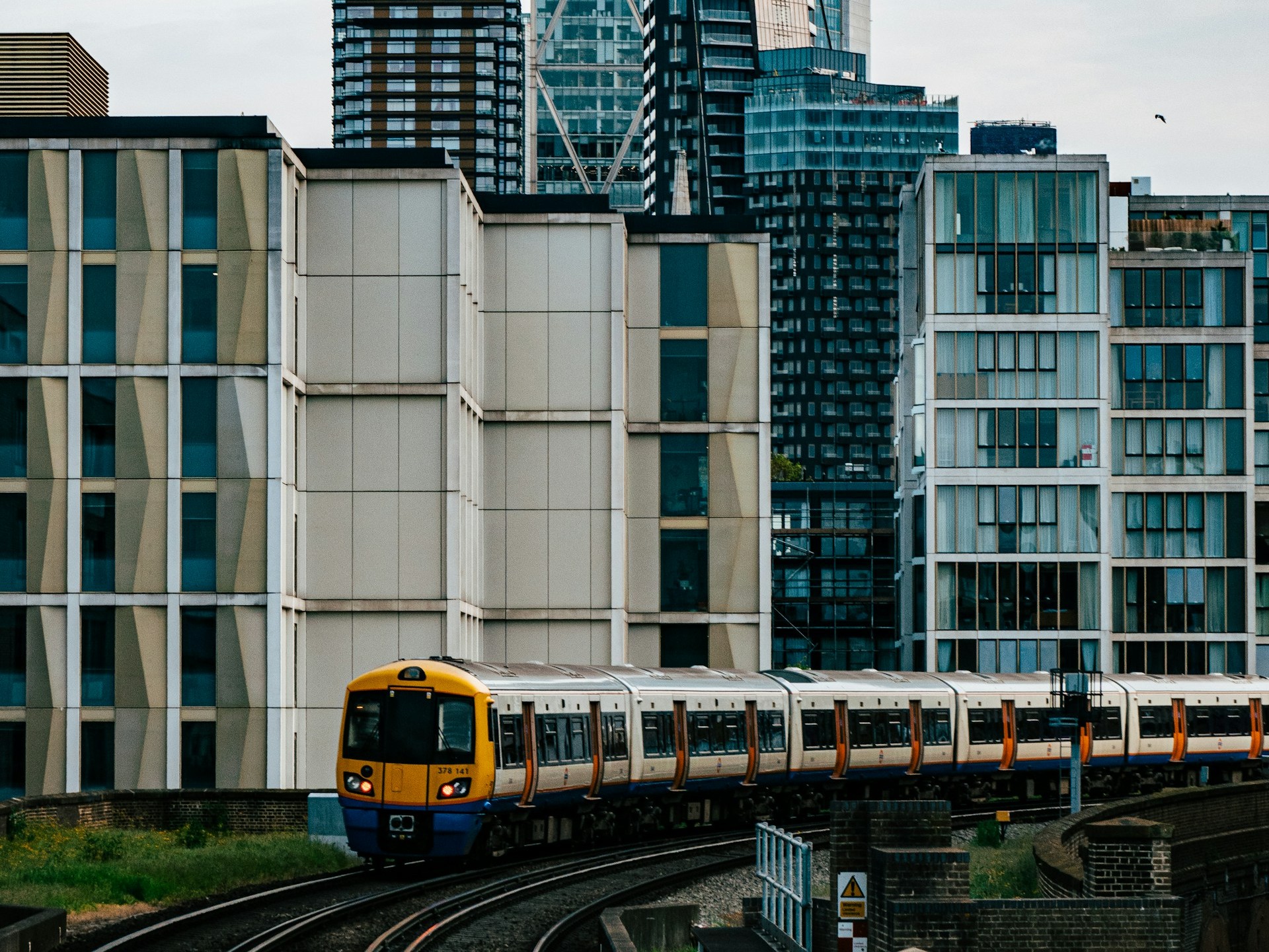
The Overground is especially useful for travelling between outer areas without going through central London. It’s often less crowded than the Tube and connects well with other transport services.
Cost 💸
Fares are similar to the Tube (roughly £3 per journey) and depend on zones and time of travel, though you may be more likely to travel between zones when using the Overground. Daily caps apply here too.
How to pay 💳
Mobile wallets, contactless and Oyster cards are all accepted in the same way as the Tube, with tap-in and tap-out required.
Operating hours 🕓
Services typically run from early morning (around 5am) until midnight or 1am, with some routes offering extended hours. There’s also a London Overground Night Service that runs on weekends between Highbury & Islington and New Cross Gate.
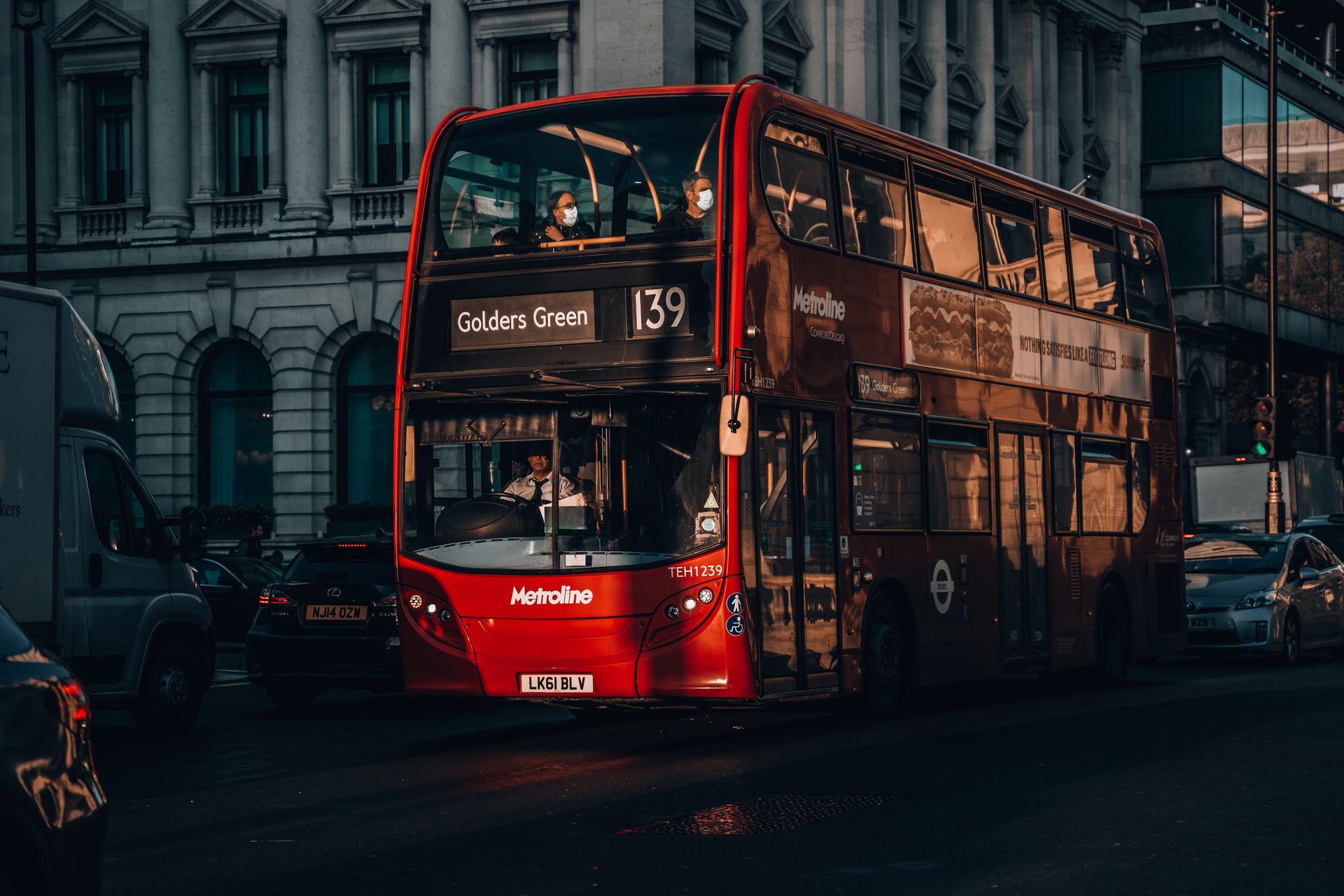
If you’re after a cheap method of getting around, consider taking the bus. Buses are slower than the Tube but offer a great way to see the city and are ideal for shorter journeys or areas not served by trains.
Cost 💸
Bus fares are among the cheapest ways to get around London, with a flat rate of £1.75 per journey. There’s also a one-hour hopper fare, allowing unlimited bus and tram transfers within an hour of your first tap.
How to pay 💳
Buses in London are cashless, so you’ll need to use contactless payment or an Oyster card. Just tap when you board – you don’t need to worry about tapping off when you depart.
Operating hours 🕓
Many bus routes run 24 hours, with night buses covering key routes after the Tube closes – though services will be less frequent later into the night.
Public transport isn’t the only way to get around London. Whether it’s a nice day and you fancy a bit of exercise, or you’re heading home after a night out your usual routes are no longer running, here are your other options.
Walking 🚶
London is a very walkable city, especially in central areas. Walking is often the quickest option for short distances and a great way to explore neighbourhoods, parks and landmarks. Just don’t forget your umbrella – or ‘brolly’ as the locals say!
Lime bikes 🚴
Lime bikes and other e-bike services are widely available across London. You can unlock them using an app and pay per minute for your ride. They’re ideal for quick trips and avoiding crowded public transport. Remember, you’ll need a valid ID to sign up for your initial account, so it's best to do this before your planned journey.
Taxis & Ubers 🚕
Black cabs and Uber are both widely available across the city. They’re more expensive than public transport but can be useful late at night or when travelling with luggage. Uber tends to be cheaper, while black cabs can be flagged down on the street.
Transport Method | Coverage | When to Use | Cost | How to Pay | Operating Hours |
Tube | Zones 1-9 | Everyday travel | ~£3 per journey, £8.90 daily cap | Contactless/Oyster card | 05:00–00:00 + Night services |
Overground | Zones 1-9 | Specific routes or suburban travel | ~£3 per journey, £8.90 daily cap | Contactless/Oyster card | 05:00–00:00 + Night services |
Bus | Zones 1-9
| Specific routes or as a cheap option | £1.75 per trip, £5.25 daily cap | Contactless/Oyster card | 05:00–00:00 + Night services |
Lime Bike | Mostly zones 1-3 | Short journeys or when you fancy some exercise | £1 unlock fee + 29p per minute | Mobile wallet | 24 hours a day |
Taxi | Zones 1-9 | When you’re short on other options | £10+ | Contactless | 24 hours a day |
Getting around London might seem overwhelming at first, but once you understand the basics, it becomes super straightforward. With a mix of the Tube, buses, trains and alternative options like bikes, you’ll always have an easy way to reach your destination. Before long, you’ll be navigating London like a local.
If you’re preparing for student life in the capital, it’s a great idea to find a well-connected accommodation, so you can get the most out of everything London has to offer. Yugo’s London student accommodation spaces are situated in prime locations across the city, near to transport links, universities, local amenities and more.

Get to know London's top universities with our comprehensive guide, where we profile and compare the likes of UCL, King’s, LSE, QMUL, Imperial and more.
Find out how much you need to live the student life in London with our complete cost of living guide, where we break down costs for accommodation, bills, food, transport and leisure.
Feel fully confident exploring London with our handy safety guide, packed full of personal safety tips, information about higher-risk areas and signposting to student safety services.
Get to know London like a local with our handy neighbourhood guide, covering all the best spots for students to explore, including Shoreditch, Camden, Brixton and more.
Studying in one of the biggest cities in the world can sometimes mean it's hard to find a space to study effectively. From libraries to cafés, we've picked out some of our favourites.