
How to Prepare for Life After University 💡



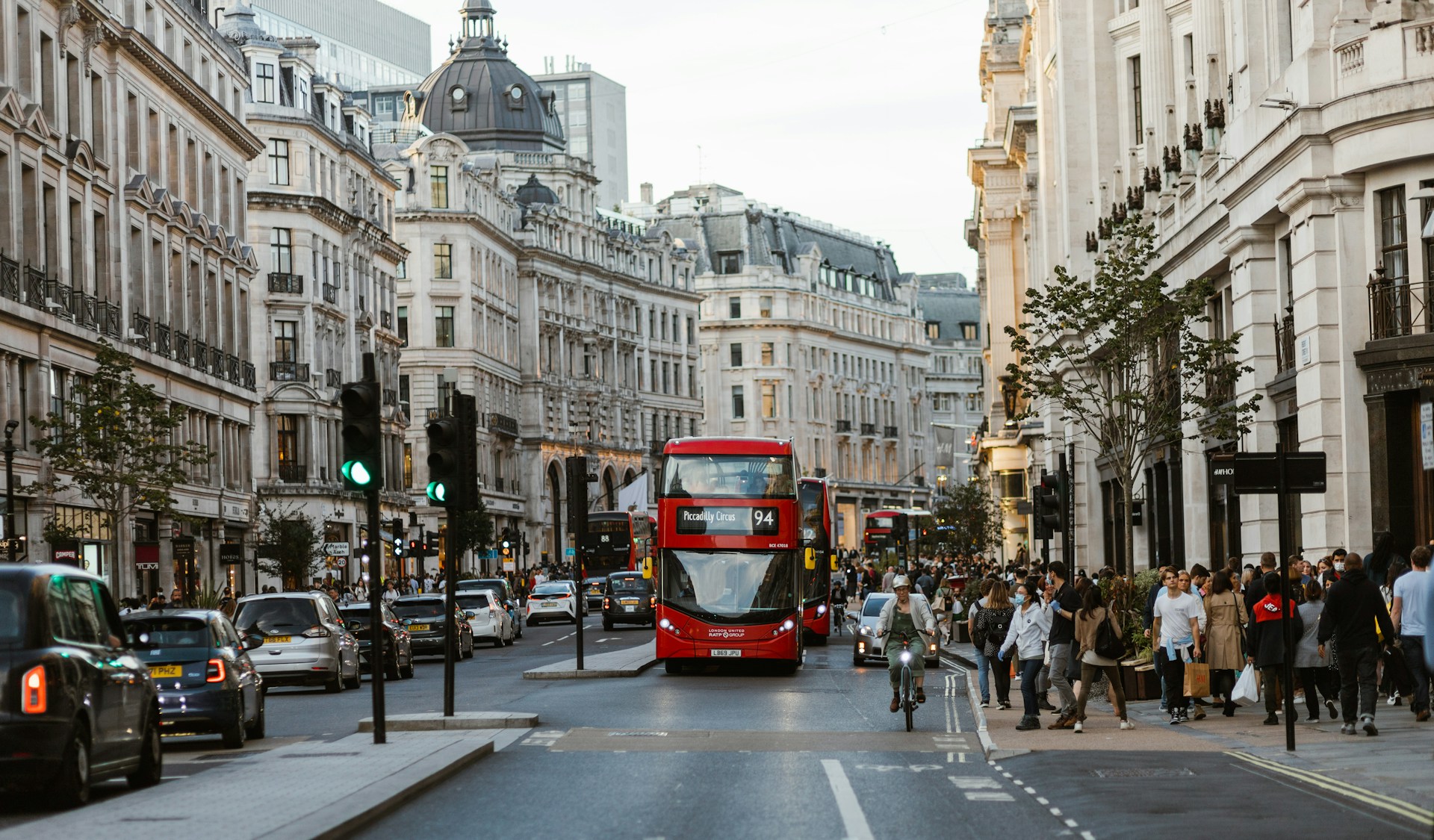
London's reputation as one of the world's most expensive cities isn't exactly breaking news – but before you panic about your student budget, let's break down what it actually costs to live here as a student.
Yes, London's pricier than other UK cities, but it's also got unbeatable opportunities, incredible nightlife, world-class universities and a student experience you genuinely can't get anywhere else. And if you know what budget you have to work with, the costs are manageable.
This guide breaks down the realistic costs of student life in London in 2026 – from accommodation and bills to food and nights out – so you can budget properly and make the most of living in one of the world's greatest cities.
TL;DR: London students typically spend £1,400–£1,800 a month, though this may differ as many variables are involved – if you rent a studio room in Zone 1 it may be more, but you can also save by living with others and spending more conservatively. So while London is definitely more expensive than other UK cities, it is manageable and you get incredible experiences and opportunities that often justify the cost.
Expense | Monthly cost |
Accommodation | £800–£2,000 |
Bills | £75–£125 |
Food | £120–£240 |
Transport | £60–£120 |
Leisure | £155–£305 |
Total | £1,210–£2,790 |
When it comes to creating your student budget, there are five main areas you need to consider:
Let's break down each category so you know exactly what you're dealing with...
Accommodation is by far your biggest expense in London, costing anywhere between £800–£2,000 per month and typically eating up 60–70% of your monthly budget. Thankfully, there are lots of options available to suit different price points.
The first factor to consider is location, as the zone you live in makes a massive difference. Zone 1 and 2 accommodation is significantly pricier than Zones 3–6, but you'll save on transport costs by being closer to London’s biggest universities.
Accommodation type | Monthly cost | Amenities |
University halls | £800–£1,400
| Ensuite or shared facilities, typically bills included, on-campus location |
Shared student housing | £800–£1,400
| Shared kitchen and bathroom, usually bills not included |
Purpose-built student accommodation | £1,000–£2,000 | Ensuite room, modern facilities such as gym or cinema, bills included |
Then there’s the type of accommodation you choose. Halls of residence are popular among first-year students, but spaces can be limited in London. Shared housing from private landlords is similarly priced, though rental costs don’t typically include bills.
Purpose-built accommodation (PBSA) gives you the option to live with other students, either in your own studio or shared apartments. Costs tend to be higher, but bills are usually included and you get lots of great extras like social spaces, gym access and 24/7 security.
Want to learn more about living in PBSA? Yugo has student residences located throughout London – check them out below and explore premium facilities like our on-site gyms, study spaces and games rooms!

Situated in London's bustling zone 1, you'll have everything you need for student life on your doorstep. With underground and overground trains from King's Cross and St Pancras International, you can easily travel across London or even jump on the Eurostar and explore Europe! Explore the unique bars, restaurants and shops of the local area, or visit some of London's renowned landmarks within a matter of minutes.
Located near the vintage boutiques, and artisan coffee shops of Brick Lane, this hip East End address is a prime spot for both undergraduate and postgraduate students who want to explore a vibrant area of London. If fresh produce, great deals and unique finds are your thing, you can browse the local markets! The closest tube station, Whitechapel is down the road and connects you direct to London's bustling city centre via the District and Hammersmith & City, Elizabeth Line and Windrush lines. You'll also be a short walk from Aldgate East tube station.
Welcome to Therese House - London student accommodation where comfort, convenience and city living come first. Located in zone 1, you’re in a prime spot to enjoy the best that Britain’s largest city has to offer, with easy access to UCL, City University, the Italia Conti Academy and the London School of Economics & Political Science (LSE). Queen Mary's University of London Charterhouse Square Campus is also conveniently a 5-minute walk away. The Barbican – a gallery, café, concert venue, theatre and cinema all rolled into one – is just a ten-minute walk away.
Welcome to Element Bermondsey: high-quality student living in London where focus and community come naturally. Located on a quiet, tree-lined street in London, Element Bermondsey offers the best of both worlds. Enjoy the perfect balance of laid-back, easy living while also having easy access to the bustling and vibrant city centre. Most of London’s universities are easily accessible, such as King's College London (Guy's Campus), London South Bank University, University of Greenwich, TEDI-London, University of the Arts, and many more.
If you're in university halls or PBSA, bills are usually included in your rent, which makes money management way easier. If you're renting privately, expect to pay £75–£125 per month for utilities (water, electricity, gas, internet) when split between housemates.
Shop around using comparison tools like Uswitch to get the best deals on energy and internet. You can also save big on your phone bill by opting for a SIM-only plan, which start from around £10 a month and are way better value than contract phones.
Utility | Monthly cost |
Energy | £50–£70 |
Water | £5–£15 |
Internet | £5–£15 |
Mobile | £15–£25 |
Total | £75–£125 |
One important thing to note is council tax: thankfully, you’ll be exempt if you’re living in a household where everyone is a full-time student (aka PBSA or halls). If this isn’t the case, you may need to budget another £50–£100 per month depending on your council tax band.
Lastly, if you plan on watching live TV or using the BBC iPlayer, you’ll also need to pay for a TV license at a monthly cost of £14.54 per household – though many students get by with Netflix and other streaming services instead.
Food costs vary massively depending on whether you cook at home or eat out regularly. Students cooking most meals can often limit spending to around £120 per month, while those eating out on the regular can easily hit £240+.
There are plenty of clever ways to do your food shop on a budget, but the best thing you can do is seek out budget supermarkets like Lidl and Aldi – the same weekly shop at somewhere like Waitrose could set you back 30–40% more.
Shopping style | Weekly cost | Monthly cost |
Budget-conscious | £30–£40 | £120–£160 |
Average spending | £40–£60 | £160–£240 |
Regular takeaways | £60+ | £240+ |
If you live near a supermarket or smaller convenience store, you can grab cut-rate deals when items are reduced towards closing time. London also has lots of great markets where you can buy fresh fruit and veg at a much lower price than the supermarket.
Once you’ve got your ingredients, you can help your pounds stretch even further by cooking on a budget. Meal prepping is your friend here – the smart move is to cook in batches, leaving you with multiple portions to freeze.
Studying in London, you’re inevitably going to be spending a lot of time on public transport. Most students will be looking at a monthly cost of £60–£120 to cover travel, but this is really going to depend on where you live and where you’re commuting to.
Without going into too much detail on the zone system (read our London transport guide for the full digest!), the more you move between zones, the more expensive your fares will be. If you’re travelling within the same zone, fees will be capped.
Transport option | Cost |
Tube | ~£3 per journey, or £8.90 daily cap (Zones 1–2) |
Overground | ~£3 per journey, or £8.90 daily cap (Zones 1–2) |
Single bus ticket | £1.75 per trip |
Day bus ticket | £5.25 daily cap |
Lime bike | £1 unlock fee + 29p per minute |
16-25 Railcard | £35/year (save 1/3 on train fares) |
18+ Student Oyster photocard | £22 administration fee |
Travelcard (unlimited travel across Tube & Overground) | £119.90/month or £1,248/year (Zones 1–2, with 18+ Student Oyster photocard) |
Uber/taxi (short trip) | £10–£20 |
Total | £60–£120 |
If you’re going to be using public transport daily, it’s definitely worth registering for an 18+ Student Oyster photocard and then using this to get 30% off a monthly or annual Travelcard, which unlocks unlimited Tube and Overground travel across your chosen zones.
You may also want to consider a 16-25 Railcard. Not only does this give you 1/3 off train tickets across the UK, but you can also link it to your Oyster card for the same discount when travelling off-peak on the Tube.
How much you spend on leisure is totally personal, but most students budget £150–£300 per month for socialising, entertainment and other non-essentials. A typical night out costs £40–£70, so if you’re hitting the club on a weekly basis, you may need to allocate a little more.
Other costs are similar or only slightly more expensive than other major UK cities — £15–£25 for a meal out in an affordable restaurant, around £10 for a student cinema ticket and £25–£35 for a monthly gym membership.
Leisure activity | Typical cost |
Night out (entry + drinks) | £40–£70 |
Cinema ticket | £7.50–£12.50 |
Gym membership | £25–£35/month |
Subscription services | £10–£20/month |
Eating out | £10–£20 per meal |
Shopping | £30–£50/month |
Total | £155–£305 |
This is where your student discount does a lot of heavy lifting. Many high-street shops, restaurant chains and entertainment venues will give you 10–25% off if you have your ID card or digital pass from UNiDAYS or Student Beans.
Many of London’s top attractions and hidden gems are also free — almost all the major museums and galleries have free entry — so there are still plenty of ways to have fun even when your bank balance is beginning to suffer.
London ranks as the UK’s most expensive student city, with costs around 30–40% higher than the average. Edinburgh and Bristol aren’t far behind, but after that there’s a sizeable gap between London and the likes of Manchester and Birmingham.
Still, that doesn’t tell the full story, as London offers far greater part-time job opportunities with higher wages (£11-£13/hour is common vs £10-£11 elsewhere), better graduate career prospects and internship opportunities you simply won't find in smaller cities.
City | Average monthly cost* |
London | £1,400–£1,800 |
Edinburgh | £1,300–£1,700 |
Bristol | £1,300–£1,700 |
Manchester | £1,100–£1,500 |
Birmingham | £1,000–£1,400 |
Liverpool | £900–£1,300 |
Leeds | £900–£1,300 |
Newcastle | £900–£1,300 |
Nottingham | £900–£1,300 |
*Cost of living figures rounded to the nearest £400, provided for general guidance only.
For UK students, it’s also worth noting that your Maintenance Loan will be higher too – London-based students receive up to £14,135 annually compared to £10,830 elsewhere. This doesn't cover the full cost difference, but it goes a long way.
So while you will need more money to live in London, there are massive upsides if you can afford it. Ultimately, it’s about balancing the financial costs with the career opportunities and life experience the city provides.
There’s no hiding that London is an expensive place for students, but there are ways to make it work. If you budget diligently and are willing to live outside of central London, it suddenly becomes a lot more manageable.
Despite the high cost of living, tens of thousands of students still choose to move here every year – a true testament to London’s enduring attraction as one of the world’s most exciting cities.
Heading to the UK capital for university? Yugo offers student accommodation in London at a range of different price points, with residences in hotspots like Whitechapel, King’s Cross and Farringdon – take a look inside our spaces below.
Get to know London's top universities with our comprehensive guide, where we profile and compare the likes of UCL, King’s, LSE, QMUL, Imperial and more.
Get to know London like a local with our handy neighbourhood guide, covering all the best spots for students to explore, including Shoreditch, Camden, Brixton and more.
Feel fully confident exploring London with our handy safety guide, packed full of personal safety tips, information about higher-risk areas and signposting to student safety services.
Learn how to navigate London like a local with our handy transport guide, covering the zone system, operating hours, transport costs, student discounts and more.
Studying in one of the biggest cities in the world can sometimes mean it's hard to find a space to study effectively. From libraries to cafés, we've picked out some of our favourites.