
How to Prepare for Life After University 💡




Moving to London is exciting, a little chaotic and yes – sometimes a bit overwhelming. It’s one of the biggest, busiest cities in the world, packed with opportunities, culture and people from everywhere. But if you’re an international student (or new to the city in general), safety is probably on your mind too.
There’s a lot said about safety in London – but what is it really like to live here as a student? In this guide, we’ll break down the facts and provide practical advice to help you stay safe and feel fully confident exploring the city. Sounds good? Let’s dive in!
TL;DR: London is safe for students overall – policing is visible and proactive, public transport is safe even at night and violent crime rates are considerably lower than most other major cities. There are some basic precautions you should take to take protect yourself from petty crime, but generally you have very little to worry about as a student living in London.
London is a safe city – especially for students. The data shows that it’s one of the UK’s safest major cities, with lower overall crime rates (83 crimes per 1,000 people) than Manchester (156), Leeds (108), Liverpool (107) and Birmingham (104).
Global data backs this up, too. Violent crime rates are significantly lower than major US cities and on par or lower than other European capitals. The Economist Intelligence Unit’s Safe Cities Index ranks London as the 14th safest city in the world, ahead of other popular continental study destinations like Paris (23rd), Madrid (25th) and Barcelona (26th).
Still, London isn’t perfect. Violent incidents do occur, but these are usually concentrated in specific areas and situations – not something most students encounter day-to-day. The main thing you’ll need to be wary of is petty crime, most notably:
We’ll cover specific safety tips to help you avoid incidents like this later in the article, but the city already has a lot of safeguards in place to keep you safe. For instance, there’s a visible police presence on the streets (particularly in central London) and widespread CCTV coverage throughout the city.
The main student areas are well-populated and well-lit, public transport is generally very safe (even on night services) and universities invest heavily in security with patrol staff stationed around campus and support services available to students in need.
So while London isn’t “crime-free” (no big city is), it’s definitely manageable with some basic precautions.
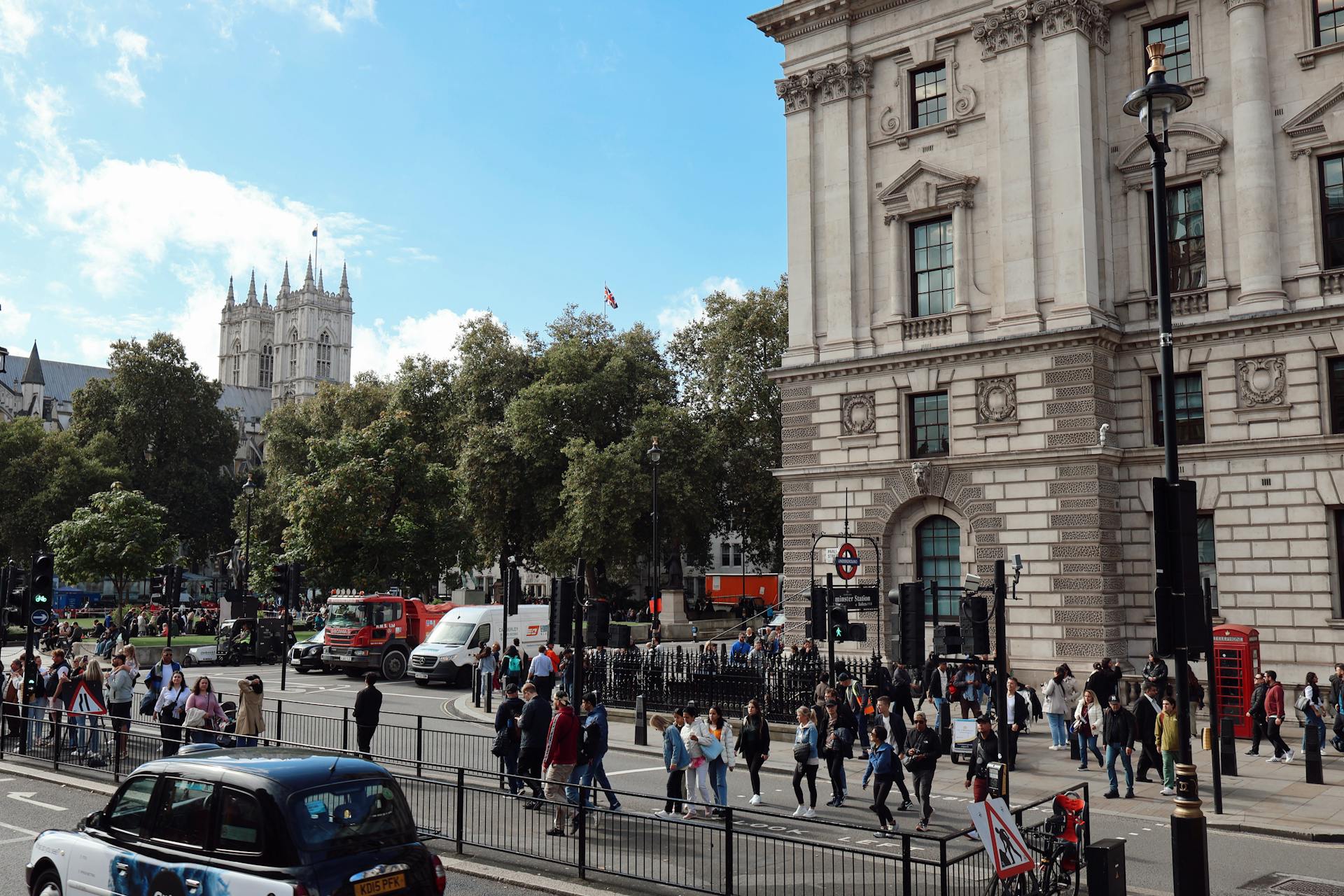
London is a massive city with hundreds of different neighbourhoods, and crime rates can vary quite drastically from one place to the next. While there aren’t any “no-go” zones you absolutely need to avoid, there are areas and certain situations where you’ll need to be on greater guard.
Having a rough idea of London’s safer and “higher-risk” areas will go a long way to helping you decide where to live and which university to attend. It’ll also help you take the right measures to stay safe once you’ve arrived in the city. With that in mind, we’ve broken down the key things to know about each of London’s main regions.
Central London is the high-density, innermost core of the city, encompassing areas like Westminster, the South Bank and the West End. Most students spend a lot of time here, given that it’s home to many of the big universities, plus London’s most popular attractions.
It’s busy almost 24/7, the streets are well-lit and there’s a strong police presence. That said, it’s often associated with petty crimes like mobile phone theft – typically in tourist areas with high foot traffic.
Safe areas:
Higher-risk areas:
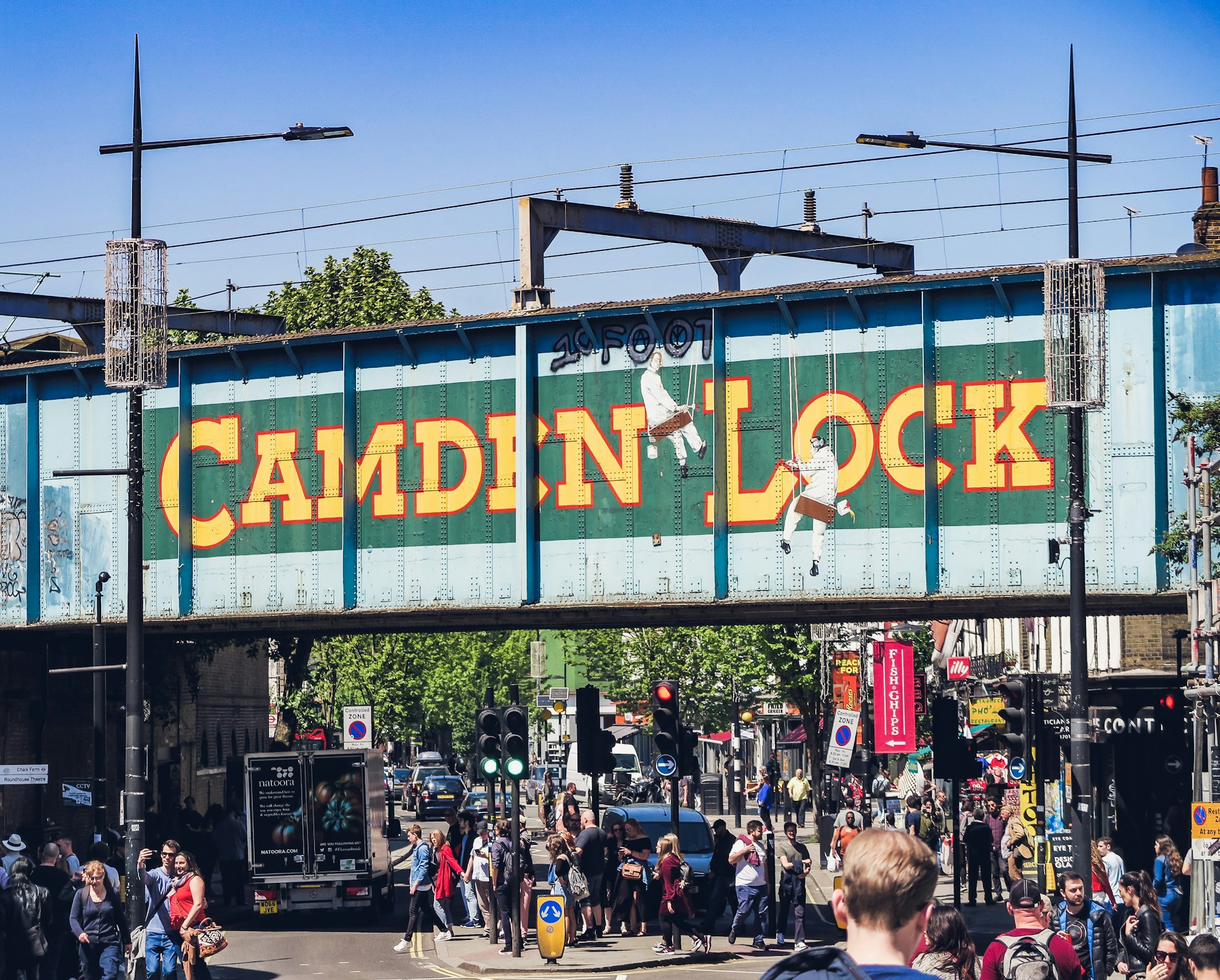
North London is high up on the list for many students when it comes to places to live – it has lots of trendy neighbourhoods, has great transport links into central London and strikes a nice balance between vibrant city energy and laid-back village vibes.
Most parts of North London are very safe, but like Central London, it has some popular tourist areas and key transport hubs where higher incidences of petty crime like phone theft and pickpocketing are reported.
Safe areas:
Higher-risk areas:
Sprawling South London stretches from the South Bank of the River Thames through inner-city areas like Brixton and Clapham to suburbs like Bromley and Croydon. It’s massive, diverse and has plenty of green space. Plus, it’s generally a bit cheaper than North London.
Historically, some parts of south London were considered dangerous, but perceptions have changed considerably and it’s now one of the most popular spots for students and young professionals in the city.
Safe areas:
Higher-risk areas:
Trendy East London is fast becoming one of the most popular parts of the city for young people, offering a unique blend of culture, nightlife and convenience – plus relatively affordable accommodation costs.
Home to trendy neighbourhoods like Shoreditch, Dalston and Stratford, it’s seen a lot of redevelopment in recent decades. And while some areas still feel a bit more “rough around the edges” than others, it’s generally very safe.
Safe areas:
Higher-risk areas:
Stretching from Chelsea and Kensington to Hammersmith and Ealing, West London is home to some of the city’s most upscale (and expensive) areas. There aren’t loads of students living here, but there are a few university campuses including Imperial and several UAL colleges.
Areas around the universities and popular spots for days out like Notting Hill and Little Venice have a quiet and relaxed vibe, with some of the lowest crime rates in the city, so they’re very safe for students.
Safe areas:
Higher-risk areas:
A few simple precautions will drastically reduce your chances of falling victim to a crime. You’re likely already following these measures – most are common sense and no different to any other city – but it’s worth recapping if you’re new to London.

London is one of the busiest cities in the world, so you’re going to encounter other people in the street even if you’re out late at night. The main thing is to stay alert to your surroundings and keep your belongings secure, as most theft is opportunistic.
Here are our top tips:
London’s public transport system is one of the safest in the world, with extensive CCTV in stations and on many bus and tube services. Incidents are infrequent, but there are a few basic measures you can take to make sure you're extra safe.
This is what to keep in mind:
With some basic precautions, you’re unlikely to have any issues at home. This is especially true if you’re living in secure accommodation (like our Yugo residences), with CCTV, on-site staff and secure entry systems, which make personal safety even more manageable.
Regardless of where you choose to live, remember to:
The nightlife is one of the best things about being a student in London, and the vast majority of people you meet on a night out are there to have a good time, but there are a few basic rules you should follow to ensure you get home safely.
Here’s how to enjoy a safe night out:
All major universities in London have their own dedicated safety services, which typically include things like campus patrols, safeguarding and wellbeing assistance, so it’s worth making a note of the support available at your chosen university.

UCL takes safety seriously with all staff trained in emergency procedures and fire safety. As a student, there are plenty of avenues to request support and report concerns across every campus and at any time of the day.
Support services worth noting include:
Learn more about UCL’s student safety services.
King’s College London has a range of measures and support services available across all its campuses, including round-the-clock security, mental health coaching and handy tools for anonymously reporting incidents.
Here are the key details:
Find out more about King’s student safety services.
Studying somewhere other than UCL or King’s? You’ll still have access to many of the same support services. Find your university and see what’s available from the links in the list below:
London might feel intense at first, but that’s part of what makes it such an exciting place to study. The reality is that hundreds of thousands of students live here without any issues and most areas you visit are completely safe. Plus, support is always available should you need it, so you’ll be more than fine living here!
Heading to the big city for your studies and searching for the right place to stay? Yugo offers a range of secure student accommodation in London in King’s Cross, Whitechapel, Bermondsey and more – take a look inside our residences below!

Get to know London like a local with our handy neighbourhood guide, covering all the best spots for students to explore, including Shoreditch, Camden, Brixton and more.
Get to know London's top universities with our comprehensive guide, where we profile and compare the likes of UCL, King’s, LSE, QMUL, Imperial and more.
Find out how much you need to live the student life in London with our complete cost of living guide, where we break down costs for accommodation, bills, food, transport and leisure.
Learn how to navigate London like a local with our handy transport guide, covering the zone system, operating hours, transport costs, student discounts and more.
Studying in one of the biggest cities in the world can sometimes mean it's hard to find a space to study effectively. From libraries to cafés, we've picked out some of our favourites.