
How to Prepare for Life After University 💡


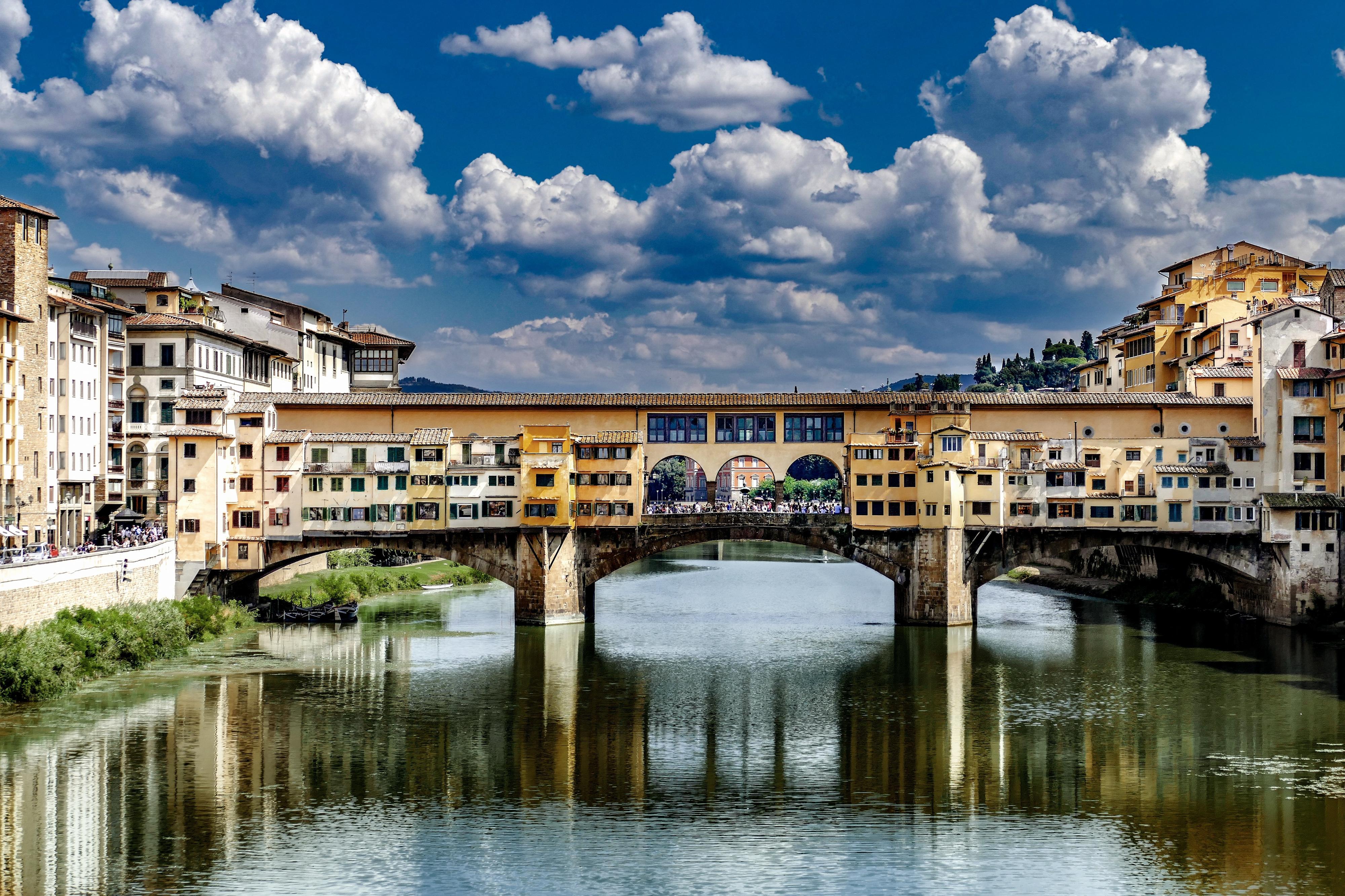
Florence is one of those cities where it’s easy to fill a day without planning too much. You can start with a coffee near Sant’Ambrogio, spend a few hours in a museum, walk up to Piazzale Michelangelo for sunset and end the evening with aperitivo in Santo Spirito.
For students, this is the real advantage of living in Florence. The city is compact, walkable and full of things to do, even on a tight budget. You don’t need to spend every weekend buying museum tickets or eating in expensive restaurants near the Duomo. Some of the best parts of student life here are simple: local markets, free viewpoints, gardens, small cafés, neighbourhood squares and quick train trips around Tuscany.
Of course, Florence is famous for its art and architecture. But once you live here, it becomes more than a list of landmarks. You learn where to go between lectures, which areas feel more local, how to enjoy the city without spending too much and how to avoid the busiest tourist routes.
In this guide, we’ll look at the best things to do in Florence as a student, from free museums and study spots to neighbourhoods, aperitivo areas, day trips and practical tips for getting around.
Florence is a good city for students because university life here is closely connected to the city itself. The University of Florence (UNIFI) has around 61,000 students across 12 faculties, so you are not moving to a small study-abroad bubble. You are joining a real student city, with libraries, canteens, faculties, cafés and neighbourhoods where students are part of everyday life.
The city is especially interesting if you study architecture, fine arts, cultural heritage, design or humanities. In Florence, these subjects are not limited to the classroom. You can visit museums after lectures, walk past Renaissance buildings on your way home, study in historic libraries and spend weekends exploring churches, gardens, markets and workshops.
Florence is also used to welcoming students from abroad. Alongside UNIFI, there are Erasmus programmes, international schools, Florence University of the Arts and several American campuses. This makes daily life easier when you first arrive: in the main student areas, you will hear different languages, meet people in the same situation and find enough English spoken for basic everyday needs.
So, if you are wondering whether Florence is “too touristy” to live in, the answer is no. As a student, you'll get a different version of the city: more local, more practical and full of places to discover between one class and the next.
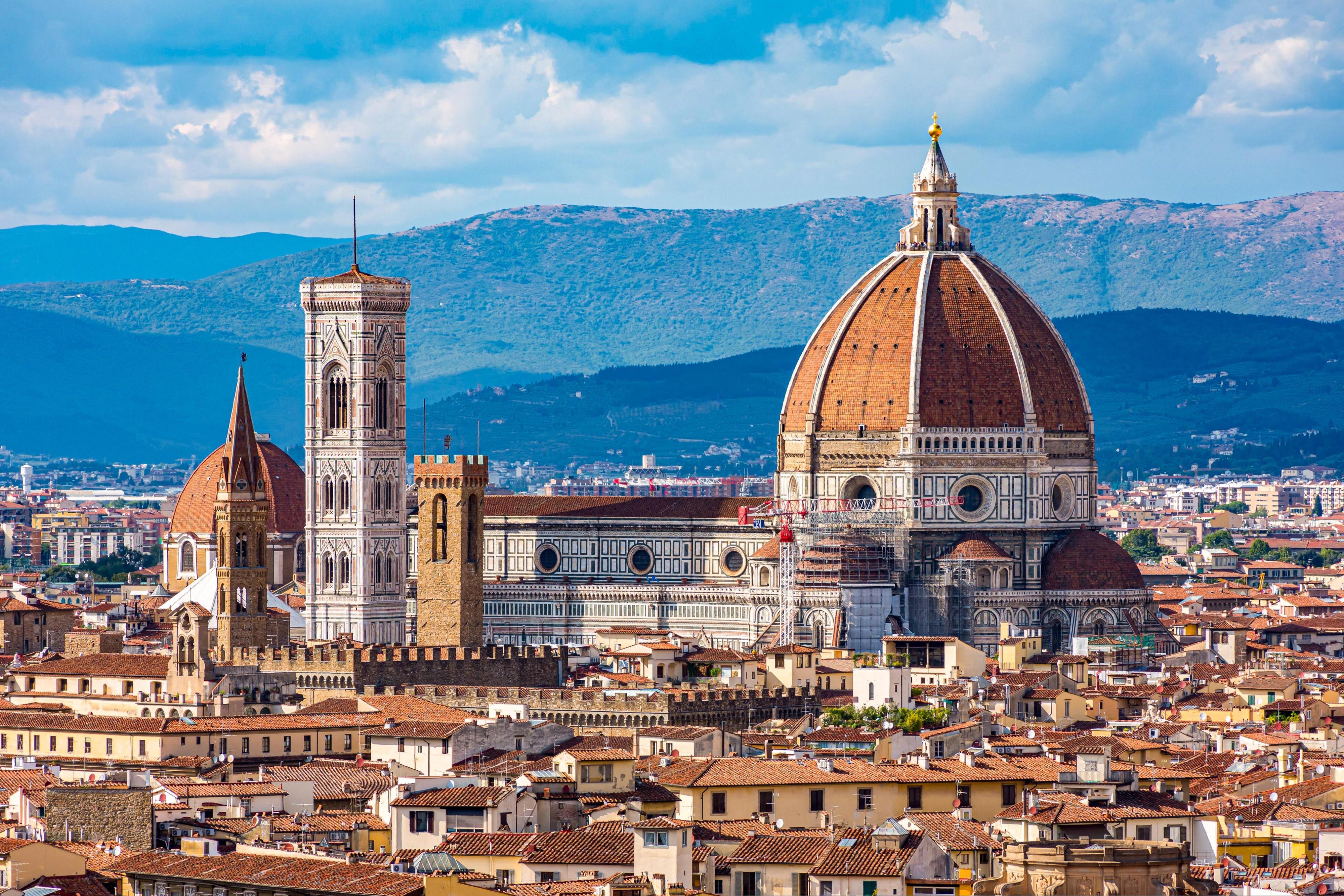
One of the best things to know as a student in Florence is this: on the first Sunday of every month, many state museums in Italy are free thanks to the national Domenica al Museo initiative.
In Florence, that includes places like the Uffizi, the Accademia Gallery, the Bargello and several other museums. Plan your first few months around these Sundays and you can visit a big part of the city’s major collections without spending anything on tickets.
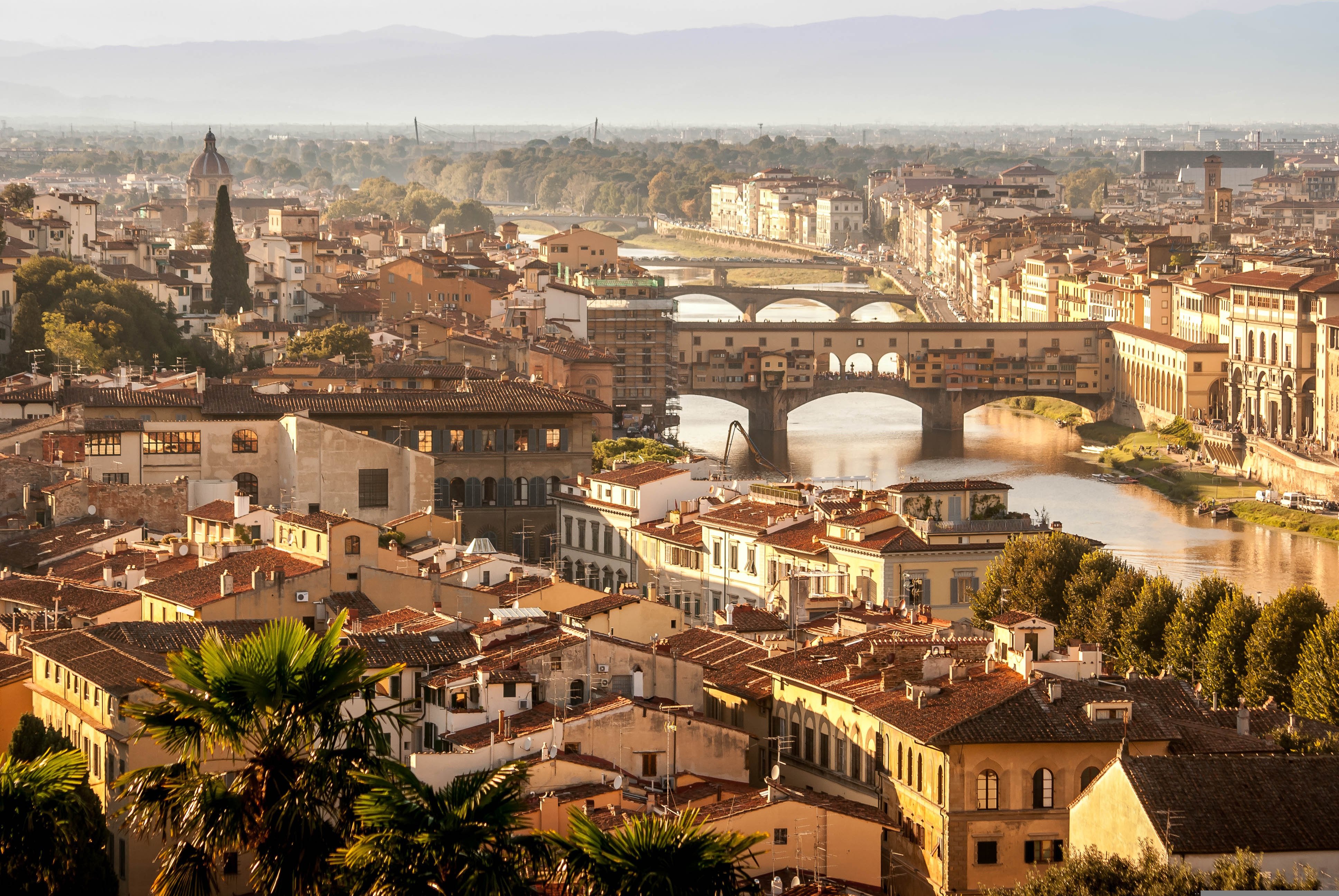
Piazzale Michelangelo is the famous square on the hill overlooking Florence. It was designed by Giuseppe Poggi in 1869, with a bronze copy of Michelangelo’s David at the centre and one of the best views over the city.
It is free, always open and worth the walk every time. Most students end up going there more than once during the semester, especially at sunset. Bring something to sit on and stay for a while.
The Boboli Gardens are behind Palazzo Pitti, on the south side of the Arno. Entry requires a ticket, but nearby you’ll find the Giardino delle Rose, which is free.
It is a terraced garden with views over Florence and a small collection of sculptures. On weekday mornings, it is usually quiet enough to read, take a break or sit outside between lectures.
If you want to shop without paying tourist prices, go to Mercato di Sant’Ambrogio. It is one of the most useful places in Florence for students, especially if you cook at home and want to keep your weekly budget under control.
Inside the market, you’ll find fruit, vegetables, bread, cheese, meat and ready-to-eat lunch options. It feels more local than Mercato Centrale and, in many cases, prices are more reasonable than in the shops around the Duomo.
It is also a good area to explore in the morning. Around the market there are small cafés, bakeries and local stalls, and on Saturdays you may find a small flea market outside.
Aperitivo is part of student life in Florence. From around 6 pm, many bars, especially in Oltrarno and around Piazza Santo Spirito, serve drinks with snacks or small plates included.
It is not the same as the large aperitivo buffets you might find in Milan, but a Spritz with something to eat for under €8 is still a useful student dinner trick. Find your favourite spots early and you’ll probably go back often.
One of the best things about studying in Florence is how easy it is to leave the city for a day. Santa Maria Novella station is close to the centre and connects Florence with many Italian cities, so you can plan short trips without spending the whole weekend away.
You can reach Pisa in under an hour, Bologna in about 35 minutes and Rome in around 1 hour and 20 minutes by high-speed train. If you want something more local, Siena, Lucca and the Chianti area are also good options for a day trip by regional train or bus.
This is a big advantage for students. You can spend the week in Florence, then use free weekends to see more of Tuscany and Italy without needing a car.
Florence is smaller than Rome or Milan, but the area you choose still matters. Living close to your faculty can save you time every day. Choosing a more residential neighbourhood can help you spend less on rent. Staying near the main student areas makes evenings and social life easier.
The good news is that Florence is compact, so you are rarely too far from the centre. The real question is what you want to prioritise: budget, nightlife, quiet streets, transport links or proximity to university buildings.
Here are the main neighbourhoods students usually consider, with the pros and cons of each.
Oltrarno means “beyond the Arno” and this part of Florence has a different rhythm from the tourist-heavy historic centre. Around Piazza Santo Spirito, you’ll find artisan workshops, independent bars, small restaurants and a local atmosphere that feels lived-in.
Rent is usually lower than in the most central districts and the piazza is one of the best places in Florence to spend an evening without planning too much. You can meet friends, sit outside, grab a drink and stay until the city slows down.
Just west of Santo Spirito, San Frediano is quieter and often a little cheaper. Both areas are well connected by bus and still close enough to reach many university faculties on foot. Many Erasmus students choose this side of the river because it gives them a good mix of social life, local character and everyday convenience.
Santa Croce sits on the north bank of the Arno, east of the Duomo, and is one of the most student-friendly areas in Florence. It is close to several UNIFI faculties, has plenty of cafés and study spots, and stays lively in the evening without feeling as intense as the streets around the Duomo.
Rent is usually higher than in Oltrarno, but still more manageable than the most central tourist areas. You also have Mercato di Sant’Ambrogio within walking distance, which is useful for groceries, quick lunches and local food at better prices than in the busiest parts of the city.
The Basilica of Santa Croce, where Michelangelo and Galileo are buried, is right in the neighbourhood. Even if you do not go inside often, the piazza in front of it is a good place to sit between classes, meet friends or take a break from studying.
Campo di Marte is a more residential area on the eastern side of Florence. It is quieter than the central neighbourhoods, generally cheaper and well connected by public transport. It also has its own train station, which is useful if you want to take day trips or travel around Italy during the semester.
The area is also home to Stadio Artemio Franchi, where Fiorentina plays. On match days, the neighbourhood gets busier, but most of the time it has a calmer, everyday feel. You’ll find more space, fewer tourists and a better chance of finding accommodation at a reasonable price.
It is not the most exciting area for nightlife, but it works well if you care more about rent, space and transport links than being close to bars every night. The historic centre is around 25 minutes away on foot or a short bus ride.
📍Yugo has 3 residences in Florence
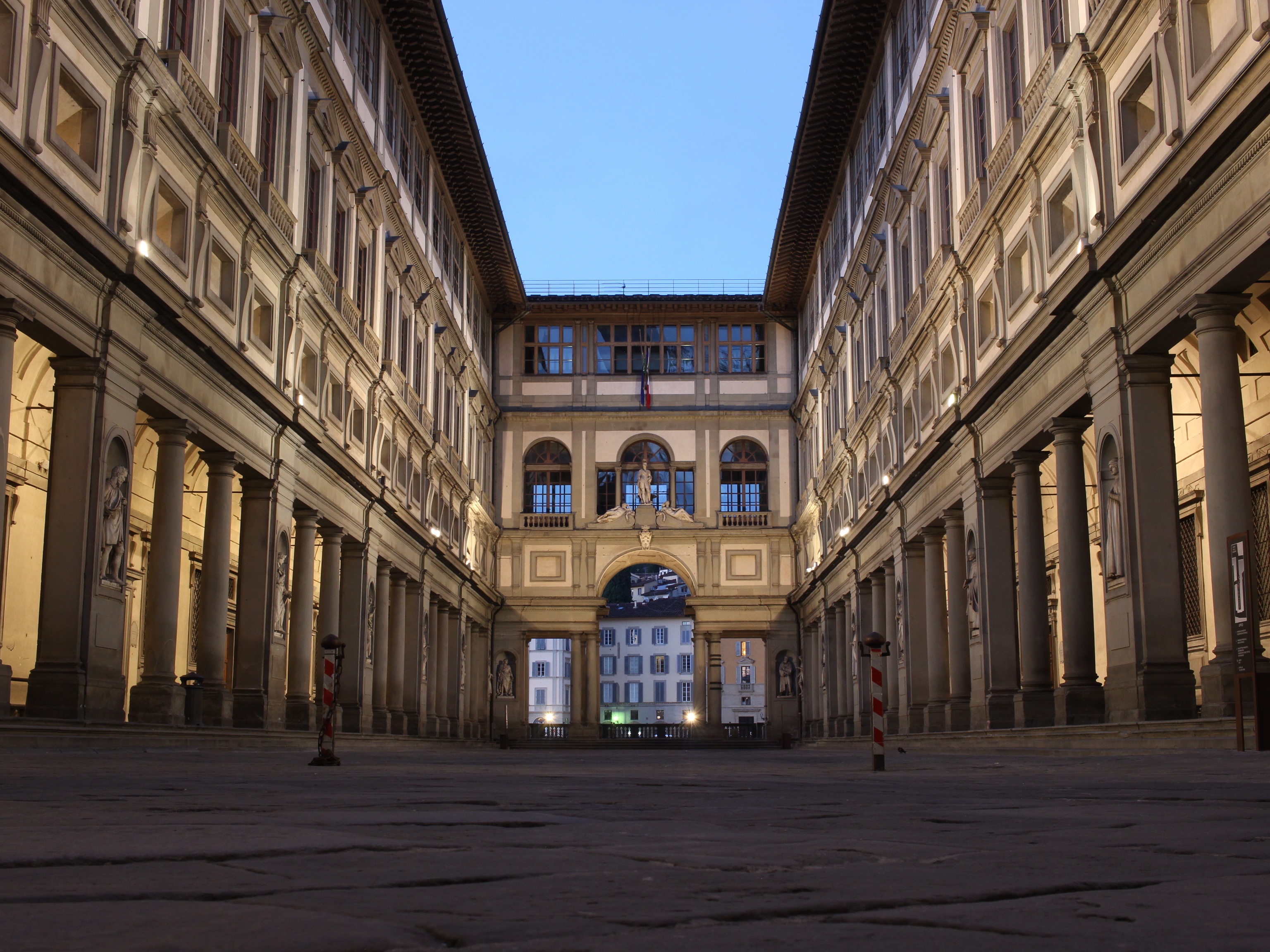
Florence is a very walkable city, especially if you live close to your faculty. Large parts of the historic centre are pedestrianised and the distance from one side of the centre to the other is only around 2 kilometres. For many students, walking becomes the easiest way to get to class, meet friends or run daily errands.
When you need public transport, the city is covered by the Autolinee Toscane bus network, which connects the centre with the outer neighbourhoods and suburbs. A single ticket costs €1.50 and is valid for 90 minutes. You can buy tickets at tobacconists, newsagents or through the Autolinee Toscane app. Just remember to buy your ticket before getting on board, as ticket checks do happen and fines can be expensive.
Florence also has a useful tram system, known as Tramvia. It has two lines and 38 stops across the city. Line 1 connects Santa Maria Novella station with the northern districts, including Careggi hospital and the university campus. Line 2 connects the city with the airport. If your accommodation or faculty is near a tram stop, this is often the fastest and most reliable option.
Cycling is also becoming more practical. Florence has invested in more cycle lanes in recent years, and bike-sharing services are available in the centre. It works well for short trips, although the cobbled streets in the historic area can be uneven. If you live south of the Arno, keep in mind that some routes involve hills.
One of the best free places to study in Florence is the Biblioteca delle Oblate. It is set inside a former convent near Santa Croce and has several floors with quiet reading rooms, Wi-Fi and plenty of space to work.
The real bonus is the terrace on the top floor, with a direct view of Brunelleschi’s dome. Access is free with a library card, so it is worth registering early in the semester. Once other students discover it, finding a good spot gets harder.
If you prefer studying with coffee, head towards Oltrarno. The area has several independent cafés with the right mix of background noise and calm. Try to avoid the tourist cafés around Piazza della Repubblica: they are usually expensive, busy and not ideal if you need a socket or a quiet table.
The best cafés are often the local ones, with a small counter, a simple menu and fewer tourists. You’ll usually get better coffee, lower prices and a more relaxed atmosphere.
UNIFI faculties also have their own study areas, and many have subsidised canteens nearby. They are useful during the week, especially if you want to stay close to lectures. Just keep in mind that they fill up quickly before exams, so arriving early makes a difference.
Finding accommodation in Florence as an international student can be stressful. The city has a large student community, limited housing availability and a lot of short-term rentals, which often push prices up.
That is where purpose-built student accommodation makes life easier. With Yugo, you can book your room before you arrive and start your semester knowing where you’ll live, what’s included and who to contact if you need help.
Yugo has three residences in Florence, designed for students who want a practical, social and secure place to stay.
Here’s what’s included:
Find your Yugo home in Florence
The best area depends on what you want from your year in Florence.
If you prefer a social student experience and easy access to the main places where students meet, Oltrarno and Santa Croce are both strong choices. Santa Croce is usually more central and closer to several faculties, but rents can be higher. Oltrarno is slightly less convenient for some university buildings, but it has more character, better evening spots and a more local feel.
If your priority is saving money or having more space, look at Campo di Marte and the outer residential areas. You may need to use the bus or tram more often, but public transport costs are manageable. The main trade-off is social: you will probably need to plan evenings and meetups a bit more, rather than having everything outside your door.
Then there is purpose-built student accommodation, like the Yugo residences in Florence. This option simplifies a lot of the decision-making because rent, bills, study areas and social spaces are all in one place.
That is especially useful if this is your first time living independently, or if you are arriving in Florence without friends, family or a local network to help you deal with the housing market.