
How to Prepare for Life After University 💡
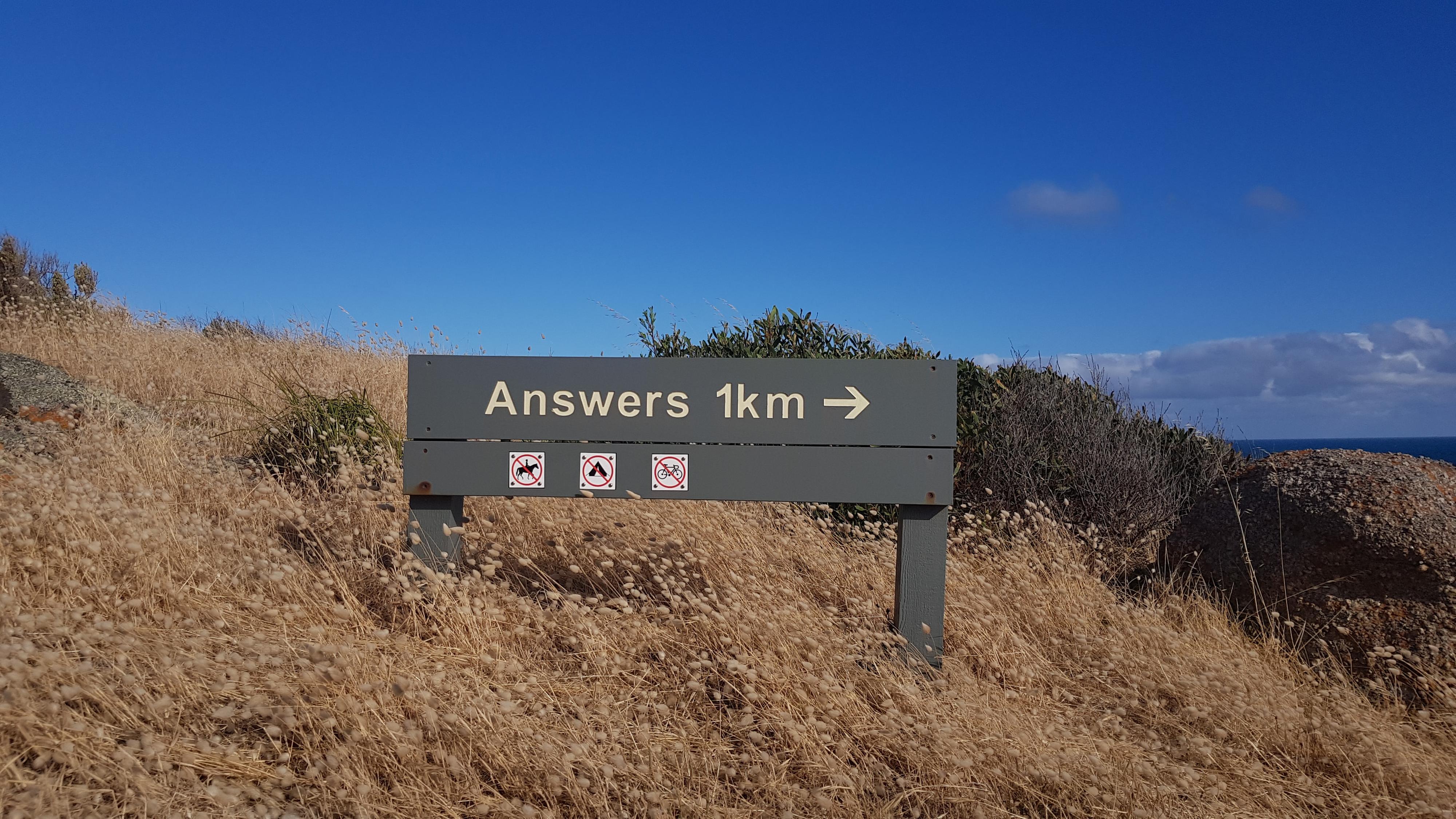



But living in Florence as a student is different from visiting the city as a tourist. You learn where locals shop, you eat at university canteens for a few euros and you start looking beyond the busy central streets for quieter neighbourhoods where everyday life feels more manageable.
This guide breaks down the real costs of student life in Florence: what rent looks like, where to buy groceries without overspending, which student discounts are worth using, the best cheap restaurants in Florence and a few realistic ways to earn extra money while you are studying.
In Florence, most students spend around €900 to €1,200 per month. The exact amount depends mostly on rent, which is usually the biggest expense. If you start looking early and choose a neighbourhood outside the busiest tourist areas, finding a room at a manageable price is still realistic. If you wait too long or focus only on central areas, your monthly budget can go up quickly.
As a comparison, Bologna is usually cheaper, with student budgets around €800 to €1,000 per month, while Milan is more expensive, often closer to €1,200 to €1,500 per month. Florence sits somewhere in the middle: not the cheapest student city in Italy, but still more manageable than Milan.
Expense | Low end | High end | Notes |
Room in shared flat | €350 | €550 | Lower outside the centre, higher in more central areas |
Groceries and food | €170 | €280 | Cheaper if you cook often and shop at local markets or discount supermarkets |
University canteen | €3/meal | €8/meal | Subsidised meals are available through university canteens |
Public transport | €25/month | €35/month | Student passes are usually cheaper than standard tickets |
Books and study materials | €30 | €60 | Costs vary by course and faculty |
Leisure and social life | €70 | €120 | Museums, sport, evenings out and short trips |
Monthly total | ~€900 | ~€1,200 | Excluding tuition fees |
So, the cost of living in Florence for students depends mostly on accommodation. Food, transport and leisure are easier to control once you know where to shop, where to eat and which student discounts are worth using.
👉 Want to stretch your budget further? Read: The ultimate guide to budgeting at university
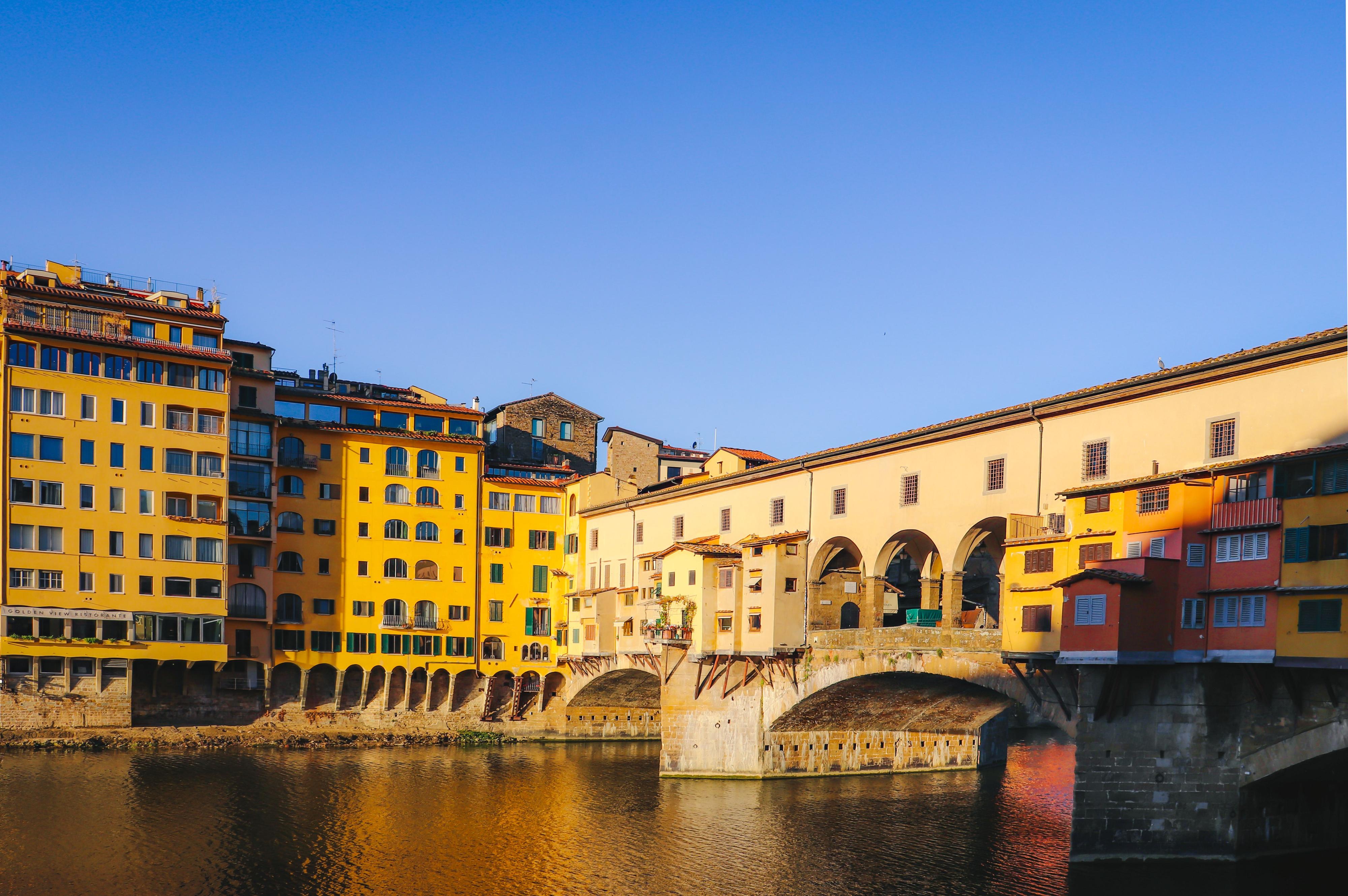
Rent is the biggest cost in Florence and the market moves quickly. Rooms in shared flats are usually around €350 to €550 per month, depending on the area, the condition of the apartment and how close you are to the historic centre.
Start your search at least 3 to 4 months before you arrive. If you wait until summer for an October start, you may have fewer options and higher prices, especially near the centre or close to university buildings.
Here are the neighbourhoods worth knowing.
Best for lower rents and a more local routine.
Rifredi is northwest of the centre and works well for students who want to stay outside the tourist bubble. It has a more residential feel, good everyday services, local shops and public transport connections. It is especially practical if your classes are in the northern part of the city or around the Novoli area.
Best for a quieter, more liveable base.
Campo di Marte sits east of the centre and feels calmer than the busiest student and tourist areas. It has solid bus connections, residential streets and a good balance between convenience and everyday life. It is a bit further from nightlife, which can be a plus if you prefer a quieter place to come home to.
Best for atmosphere, independent shops and local food spots.
South of the Arno, Oltrarno is one of the most popular areas among students who want to feel close to Florence’s creative side. You will find trattorias, artisan workshops, small bars and independent shops. It is a great area to live in, but rents tend to be higher than in more residential neighbourhoods, so it is better to start looking early.
Best for location, less ideal for budget.
Living in the historic centre puts you close to everything, but it also means higher prices, more tourist noise and more apartments aimed at short stays. It can work for some students, especially for a short exchange, but it is not always the easiest base for daily life.
Yugo has 3 residences in Florence
Bills included, furnished rooms and an on-site team from day one
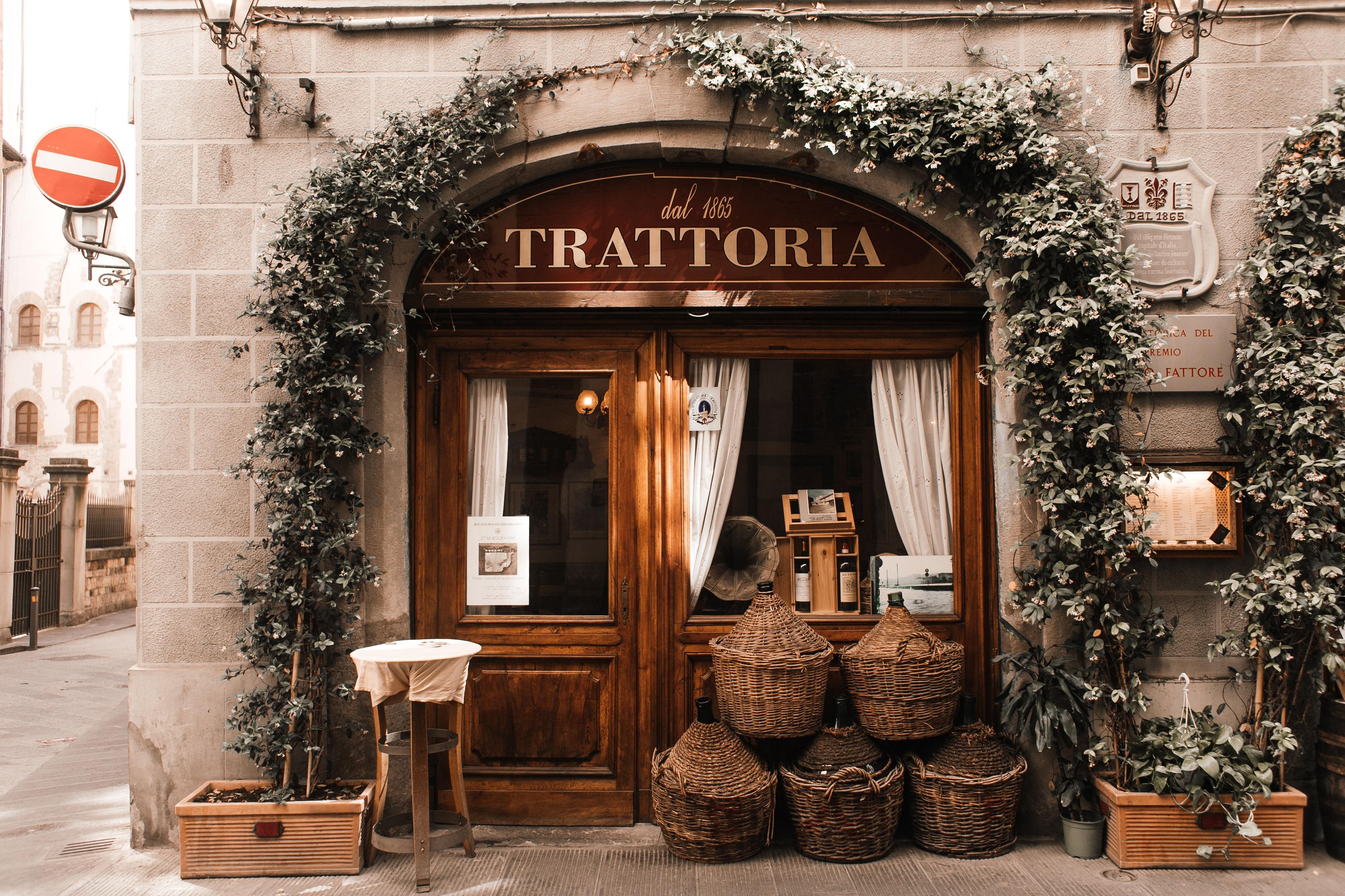
Florence has one of the best food cultures in Italy and that helps when you are living on a student budget. Good food here does not always mean expensive food. If you know where to go, you can eat simple, fresh meals without spending too much.
One of the easiest ways to save money is to use the DSU Toscana university canteens. DSU Toscana runs a large network of student restaurants and cafeterias across the region, including several locations in Florence.
The service is available to enrolled students and offers complete meals at reduced prices, with tariffs based on your income band or student status. You can access the service through the MyDSU app, so it is worth setting this up during your first week.
The canteens are useful for everyday lunches and dinners, especially when you do not have time to cook. They serve proper meals, not just sandwiches, with options that can include pasta, salads, pizza, piadina and dishes suitable for different dietary needs.
If you are trying to keep your monthly food budget under control, using the canteen during the week can make a real difference.
For groceries, discount supermarkets are usually the best place to start. According to Altroconsumo’s supermarket ranking, Eurospin is one of the cheapest options in Italy for basic products. Aldi, In’s Mercato and Lidl also perform well for price.
That does not mean you need to shop in one place for everything. A good student strategy is to buy everyday basics at Eurospin, Lidl or In’s Mercato, then use Coop or Conad when they are closer, open later or more convenient for quick shopping.
Local markets are also worth using, especially for fruit, vegetables and fresh ingredients. Prices vary, but shopping away from tourist-heavy streets usually helps you spend less.
When you do eat out, avoid restaurants with menus built around tourists and look for local places with simple dishes and daily menus.
Trattoria Sabatino, in San Frediano, is one of the best-known budget-friendly trattorias in Florence. It has been serving traditional food for decades, with a daily changing menu and a local, no-frills atmosphere. It is a good option when you want a proper Florentine meal without paying central tourist prices.
For a quick lunch, schiacciata is one of the easiest budget choices. You will find it in bakeries and small food shops across the city, often filled with cheese, cured meats or vegetables. It is filling, easy to take away and usually much cheaper than a sit-down meal.
Mercato Centrale, near San Lorenzo, is useful when you want more choice in one place. It has food stalls, quick lunch options and space to sit, although prices can vary depending on what you choose. For a student budget, it works best for an occasional lunch rather than an everyday habit.
👉 More ways to cut costs as a student: Student money saving tips
Florence is easy to get around, especially if you live close to the centre. Many places you will use every week, from cafés and libraries to markets and university buildings, are within walking distance. For everyday student life, this makes things simpler and helps you save on transport.
When you need to go further, or when it rains, you can use buses, trams and urban trains within the Florence urban area.
Students enrolled at the University of Florence can apply for a discounted public transport pass. The pass costs €50 with the reduced rate or €65 with the basic rate, depending on your profile.
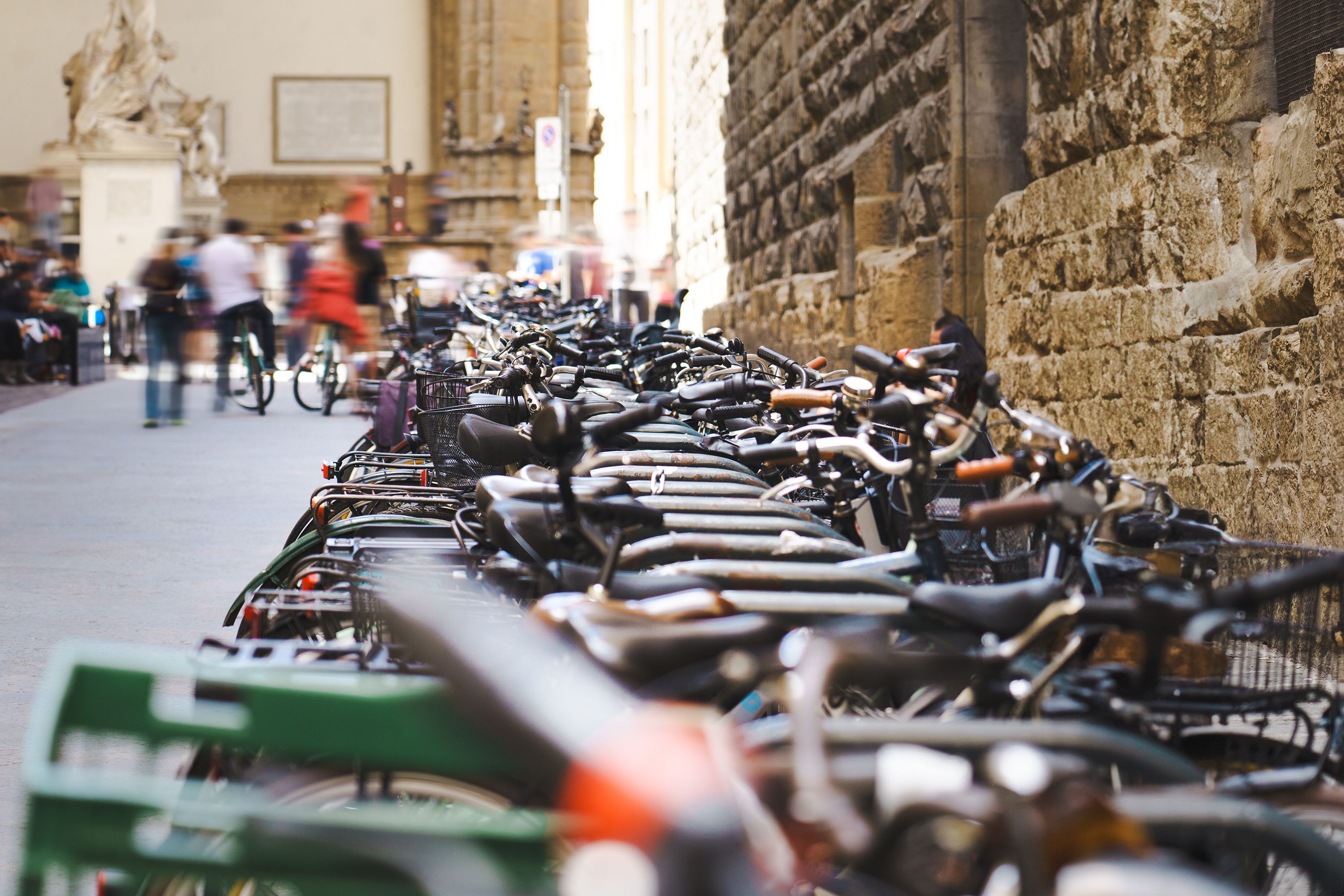
Cycling can work well too, especially if you live outside the historic centre. Many students use a bike for short daily journeys, and second-hand bikes are easy to find through local markets or platforms like Subito.it.
Just buy a solid lock. Bike theft is common in Florence, so it is better to be careful from the start.
For most students, the easiest routine is a mix of everything: walk when places are close, use the student transport pass for longer routes and cycle when your daily journey feels safe and practical.
Florence has plenty of museums, galleries and cultural attractions, and visiting them all at full price can get expensive quickly. As a student, though, you have access to several useful discounts.
The first rule is simple: always carry your student card. Some discounts are clearly advertised, while others are only applied if you ask.
If you study at the University of Florence, check the UniFi Card. It gives eligible students access to the Civic Museums of Florence for €10, which makes it one of the best-value cultural passes in the city. It is worth sorting out early, especially if you plan to visit places like Palazzo Vecchio or other museums managed by the city.
For state museums, including the Uffizi and the Accademia Gallery, entry is free on the first Sunday of every month as part of Italy’s Domenica al Museo initiative. These days are popular and often crowded, so try to arrive early if you want to make the most of them.
On regular days, EU citizens aged 18 to 25 can usually get a reduced ticket for €2 at state museums, as long as they show a valid ID. This is especially useful for students planning more than one museum visit during the semester.
It is also worth carrying your student card with you. Some cinemas, theatres, gyms, swimming pools and cultural venues offer student prices even when they are not clearly advertised. When in doubt, ask before you pay.

Florence has a large tourism industry, so part-time work is easier to find during the busy season, especially from spring to early autumn. Hotels, restaurants, cafés, wine bars, shops and tour companies often need extra staff when the city fills with visitors.
If you are an EU student, you can work in Italy without the same visa limits that apply to non-EU students.
If you are a non-EU international student with a student residence permit, you can usually work up to 20 hours per week, with a maximum of 1,040 hours per year. Before starting a job, you will need a codice fiscale and a valid permesso di soggiorno.
Student jobs in hospitality, retail and tourism often start around €7 to €9 per hour, depending on the role, contract and employer. Tips can help in restaurants, wine bars and cafés, especially in busier areas, but they are not guaranteed and should not be treated as fixed income.
Language skills make a real difference. If you speak English and some Italian, it is easier to find work in hotels, restaurants, shops and customer-facing roles. Even basic Italian helps with interviews, shifts and day-to-day communication with colleagues.
If you prefer something more flexible, tutoring and language lessons can work well. English conversation lessons are often in demand among local adults, children and university students. You can look for clients through university notice boards, local Facebook groups, student communities and platforms like Superprof.
The best approach is to start small: find a few regular hours each week, keep your schedule realistic and make sure work does not clash with classes, exams or residence permit rules.
👉 More ideas for earning while you study: Side hustles for students
Moving to Florence as a student is exciting, but there is a lot to organise before you arrive. Finding a flat from abroad, reading rental contracts in Italian, setting up bills and working out which neighbourhood makes sense can take time, especially if you do not know the city yet.
That is where Yugo can make things easier. With 3 student residences in Florence, you can book your room before you land and arrive with the main practical things already sorted.
Find your Yugo home in Florence