
How to Prepare for Life After University 💡

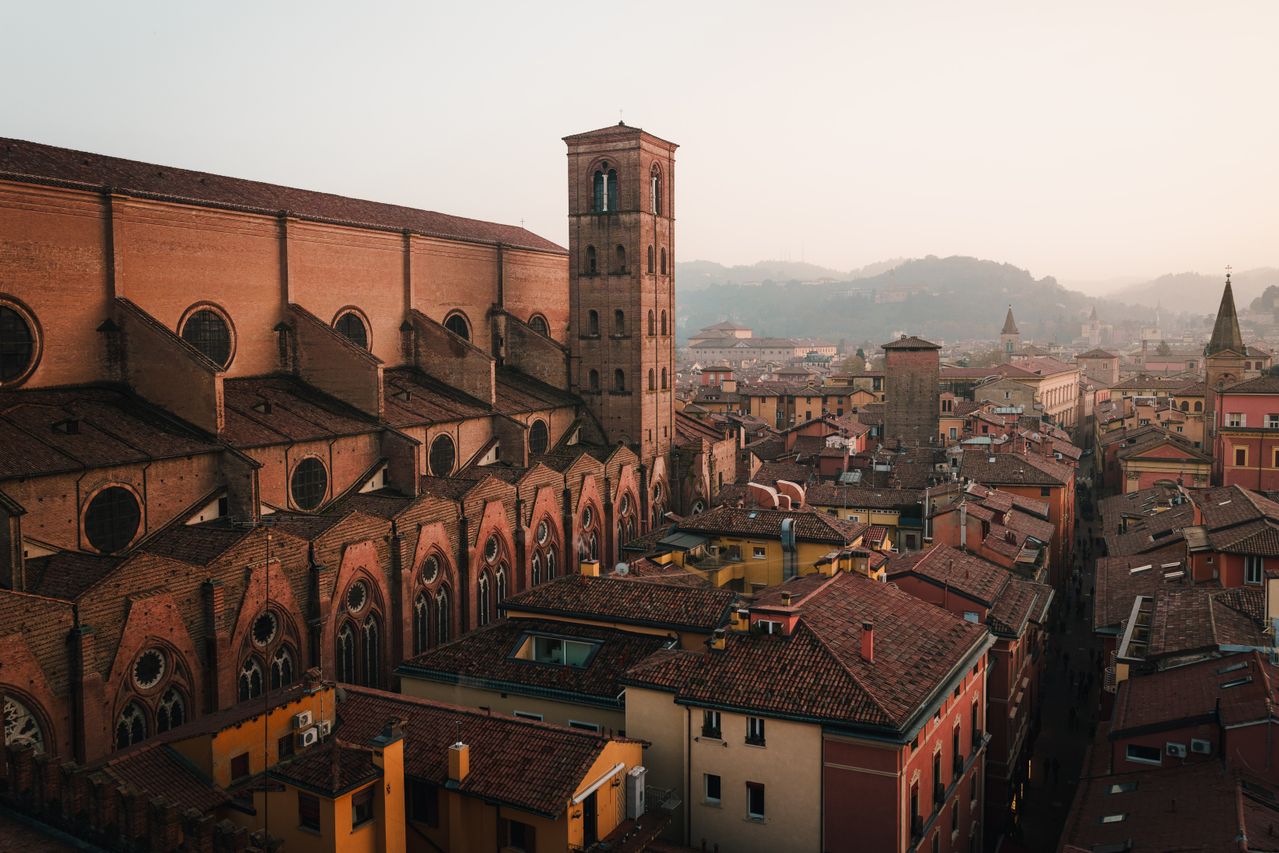
Bologna is one of those cities where living on a student budget feels a little easier. The historic centre is compact, most places are within walking distance and university life is woven into the city rather than confined to a single campus.
You can spend an afternoon exploring the porticoes, visit several museums for free and meet friends for an affordable aperitivo without travelling far or spending too much. The city’s long student tradition has also created plenty of low-cost options, from subsidised university meals to markets and informal places to eat.
In this guide, you will find free museums, inexpensive places to eat, popular student aperitivo spots and historic markets, along with practical ideas for enjoying Bologna without watching your budget disappear.
Bologna is generally more affordable than Milan and slightly cheaper than Florence. Most students spend around €800 to €1,200 per month on rent, groceries, transport and socialising. In Milan, a similar lifestyle can easily cost between €950 and €1,500, so the difference can have a real impact on your monthly budget.
There are a few reasons why Bologna is easier to manage financially. The city is compact and mostly flat, which means you can walk or cycle almost everywhere without relying heavily on public transport.
Student life is also deeply rooted in the city's identity. Founded in 1088, the University of Bologna has influenced everyday life here for more than 900 years, from subsidised meals and affordable food to discounts aimed specifically at students.
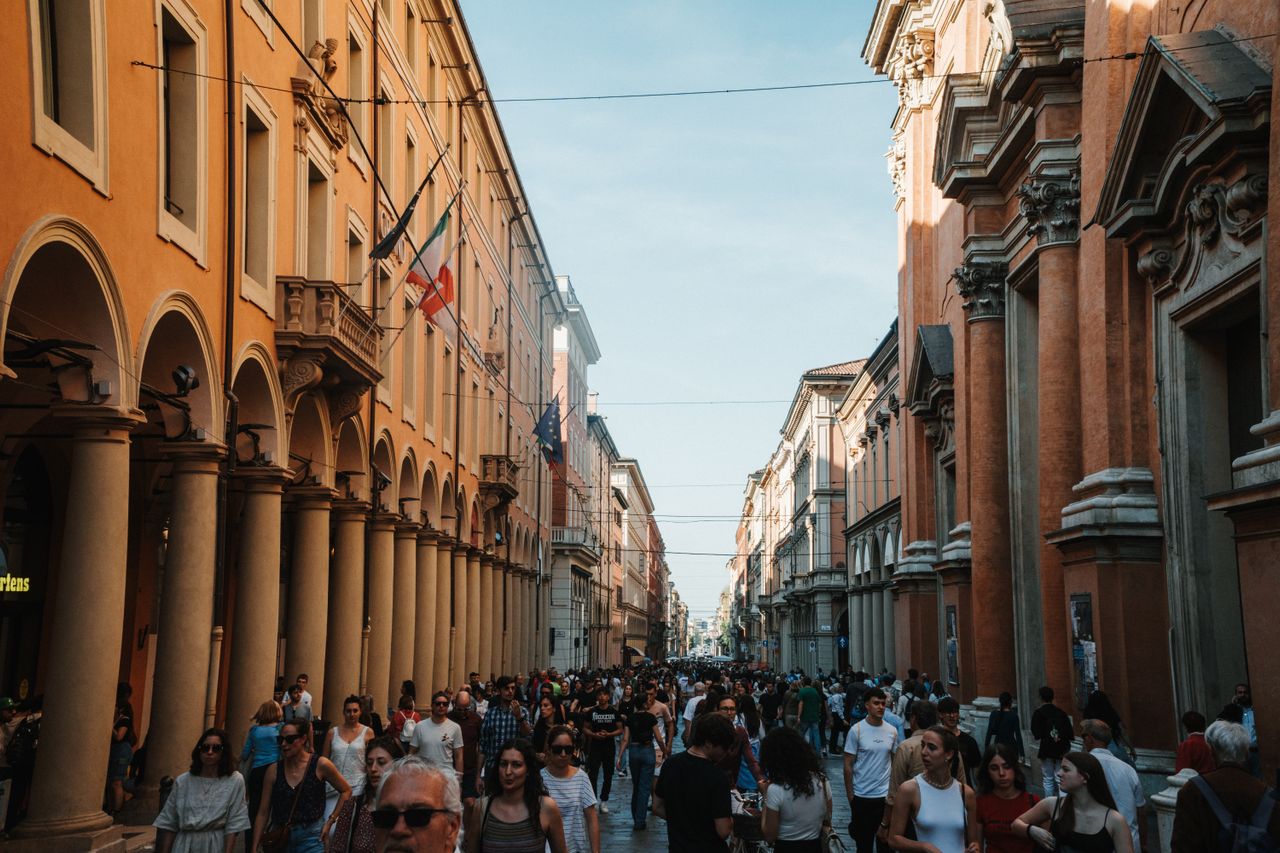
The city's famous porticoes also make getting around easier. Around 38 km of covered walkways run through the historic centre, sheltering you from the rain or summer heat as you walk to lectures, meet friends or head out for dinner. Today, they are recognised as a UNESCO World Heritage Site and are part of daily life for almost everyone in Bologna.
Bologna has 16 museums with free admission, making it easy to plan a weekend without spending anything. Many of them are located around the university district, within walking distance of Piazza Maggiore.
The National Art Gallery of Bologna, which houses works by Giotto, Raphael and Guido Reni, offers free entry on the first Sunday of every month as part of Italy's national scheme for state museums and archaeological sites.
During the rest of the month, you can explore several university collections, including Palazzo Poggi Museum, the anatomical wax collection, the physics collection and the botanical garden. Some are free throughout the year, while others simply require advance booking.
MAST, a cultural foundation focused on art, technology and industrial photography, also offers free admission. It is located outside the historic centre, but it is well worth the short bus journey.
👉 Planning the rest of your student expenses? Read The ultimate guide to budgeting at university.
Eating well in Bologna does not have to cost a lot. If you are enrolled at the university, the canteens subsidised by ER.GO, the regional student services agency, offer complete meals for around €4 to €6. That usually includes a starter, a main course and often a piece of fruit, all for less than the price of a cocktail in many other cities.
For a traditional sit-down meal, Osteria dell'Orsa, near Via Zamboni, is a long-standing favourite among students. It is lively, often crowded and known for classic dishes such as tagliatelle al ragù. A full dinner with wine generally costs around €30 to €40, depending on what you order. Other trattorias around the university district offer similar value, with traditional pasta dishes usually priced between €7 and €12.
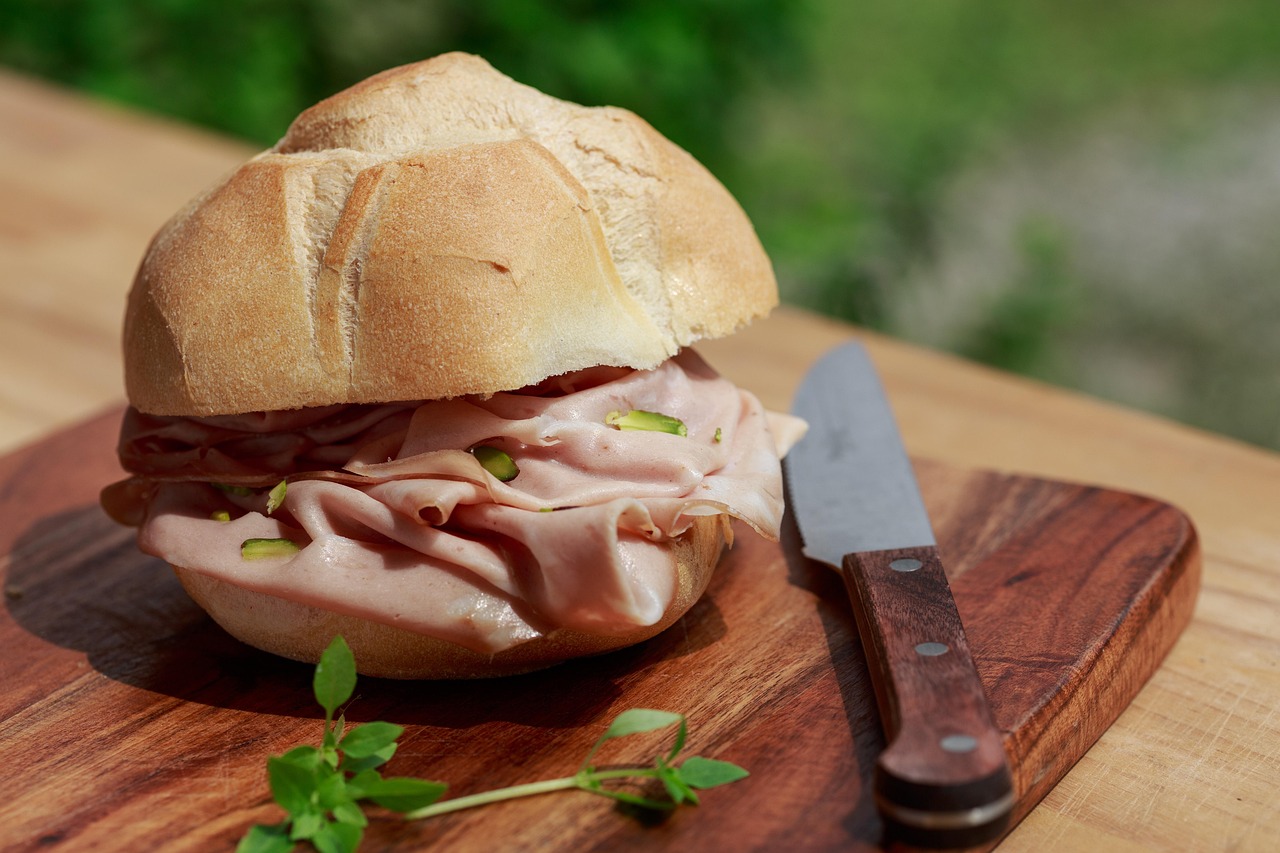
For something quicker, head to the Quadrilatero, the historic market district just behind Piazza Maggiore. Here you can pick up mortadella sandwiches, piadina and tramezzini for just a few euros, making it an easy option for a tasty lunch or a snack on the go.
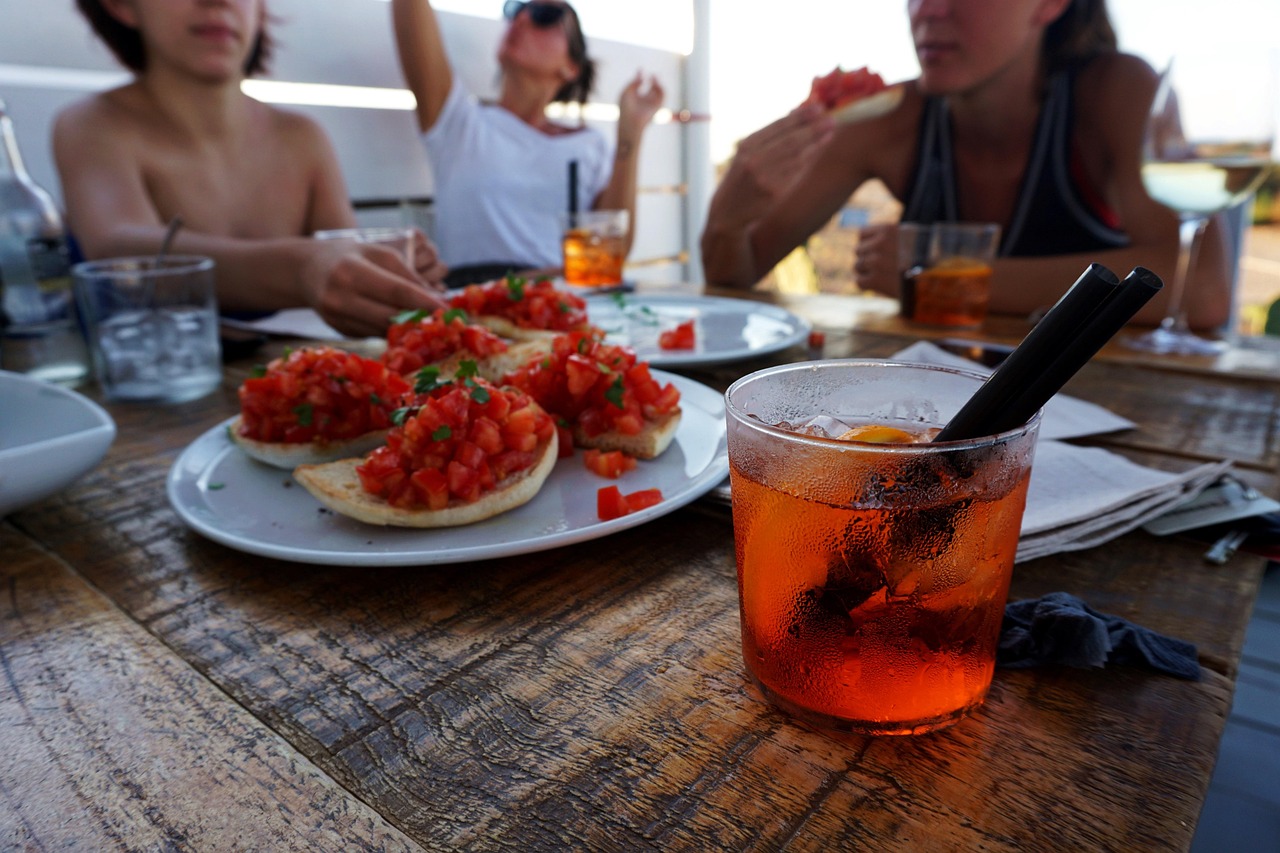
Aperitivo in Bologna is usually more relaxed than the full apericena experience you might find in Milan. It generally means ordering a drink and enjoying a few snacks alongside it, which makes it an affordable way to socialise after class.
At most bars, an Aperol Spritz or a glass of local Pignoletto wine costs around €6 to €8, often with crisps, olives or small bites included. Prices can be even lower along Via del Pratello, one of Bologna's best-known student streets, where drinks often cost between €3 and €5. In the evening, the whole area fills with students chatting outside the bars and moving from one place to another.
For a more central option, head to the bars in and around Mercato delle Erbe, where drinks generally cost between €5 and €8. The market stays lively into the evening, making it a convenient place to meet friends without planning too far ahead.
That is part of the appeal of aperitivo in Bologna: you rarely need to book or organise anything in advance. It is simply where you end up after lectures when someone suggests going for a drink.
If you are looking for good food at student-friendly prices, there are two markets you should know.
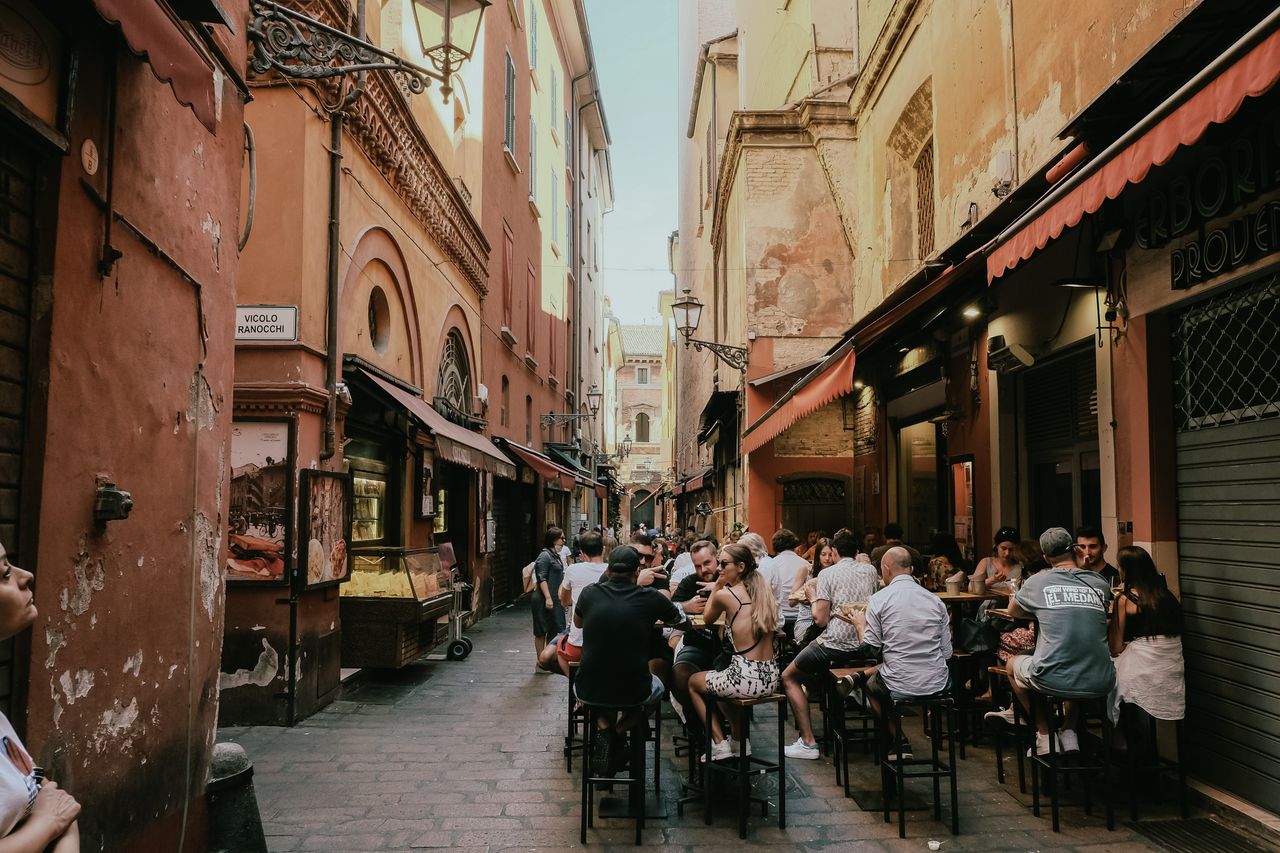
The first is the Quadrilatero, a maze of medieval streets just behind Piazza Maggiore. Markets have been held here since before the 11th century, and many of the streets still carry the names of the guilds that once worked there, including Via Calzolerie for shoemakers and Via Caprarie for butchers.
The workshops have largely been replaced by food stalls, small bars and delicatessens, but the historic layout has remained almost unchanged for centuries.
The second is Mercato delle Erbe, a covered market on Via Ugo Bassi. Built in 1910 and partly transformed into a food hall in 2014, it is now one of the most popular places for students to eat and socialise. The communal tables fill up in the evening, with people ordering pizza, fried fish, tortellini and other local dishes from the surrounding stalls.
Prices are usually lower than in a traditional restaurant, and the lively atmosphere makes it a great place to meet new people during your first few weeks in the city.
Both markets are within a five to ten-minute walk of many university buildings, so they are ideal when you want something tasty and affordable without organising a full meal out.
Wondering how much you might spend on a full day in Bologna? Here is an example of a student-friendly itinerary that costs around €11 to €25.
Time | Activity | Cost |
Morning | Visit a free museum in the University Quarter | €0 |
Lunch | Eat at a university canteen | €4-6 |
Afternoon | Walk beneath the porticoes and explore the Quadrilatero | €0-5 |
Aperitivo | Have a drink and snacks on Via del Pratello | €3-8 |
Dinner | Pick up a piadina or mortadella sandwich | €4-6 |
Total | Around €15-25 |
Keeping your everyday spending this low leaves more room in your budget for the experiences that cost a little more, such as a day trip to Florence or Venice, a special dinner with friends or a bigger night out. It can also help you avoid unwelcome surprises when you check your bank balance at the end of the month.
👉 Looking for more ways to make your money last? Read Student money saving tips.
Accommodation is usually the largest part of a student budget and it is also one of the hardest expenses to manage from abroad. With Yugo, you can book your room before arriving in Bologna and know exactly what is included from the start.
Bologna may be affordable, but that is only one reason why it appeals to international students. International enrolments increased by 23.1% between the 2023/24 and 2024/25 academic years, while the University of Bologna ranks among the world's top 100 institutions in 25 subjects according to QS. In other words, you do not have to choose between a respected university, an exciting city and manageable living costs. Bologna offers all three.
The best approach is to make free museums, market food and affordable aperitivo part of your usual routine. This leaves more room in your budget for the experiences that feel worth spending extra on, whether that means a weekend in Venice, a memorable dinner with new friends or a ticket to an event you would never have the chance to attend at home.